Trump courts Kim, slams Seoul, and warns Tehran, three foreign-policy fronts open in a single news cycle
On 18 August 2026 a single Reuters–Al Jazeera cycle tied together three of the administration's signal moves: outreach to Kim Jong Un, public pressure on Seoul, and a fresh statement that Iran will not make the deal he wants.
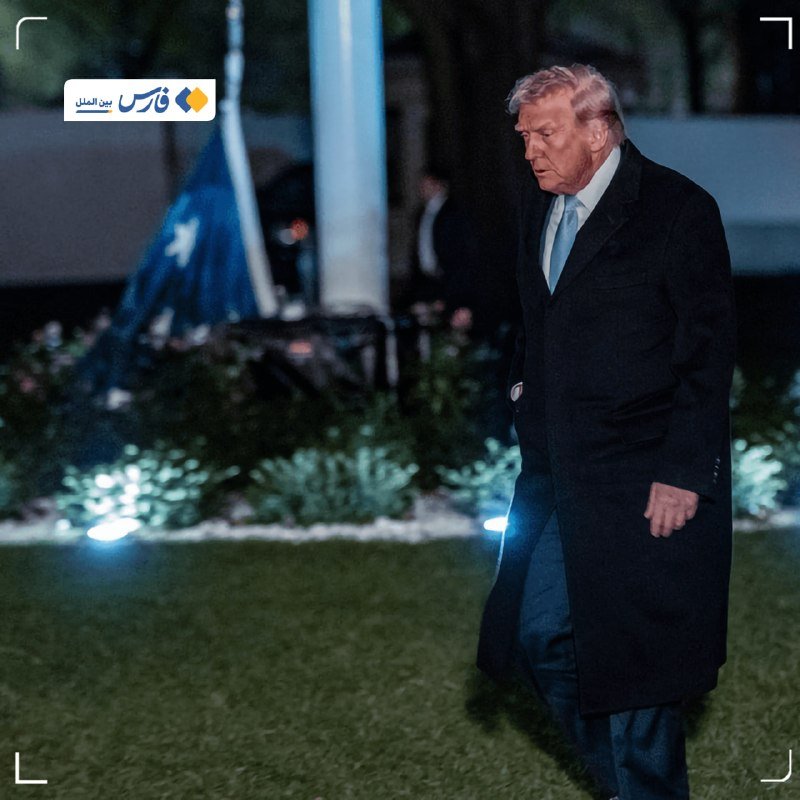
By 06:58 UTC on 18 August 2026 the wire was carrying three competing versions of the same US presidential news cycle. Donald Trump told reporters that North Korea's Kim Jong Un had answered his outreach with what the US side described as a "very positive" response, that Iran will not make the deal he believes is necessary, and that his domestic approval has slipped to 33 percent. Three statements, three theatres, one newsroom.
The pattern matters more than any of the quotes. A president opening parallel tracks with Pyongyang and Tehran on the same morning is not engaging two adversaries; he is signalling that the architecture of US pressure is being redrawn in real time, with allies and antagonists slotted into the same diplomatic conversation. South Korea, conspicuously, is being talked about rather than talked to.
The Pyongyang opening
The most concrete item in the cycle is the North Korea exchange. Reuters reported at 06:30 UTC that Trump "says North Korea's Kim has responded to his overtures", framing the response as the first direct back-channel in years. Al Jazeera's 05:44 UTC write-up quoted the same US description of Kim's reply as "very positive", and added the editorial thrust: the president "again slam[med] Seoul for refusing to join war on Iran". The South Korea criticism is not incidental. It tells readers what the administration wants Pyongyang to read: that Washington has leverage, that Seoul's position is to be punished in public, and that the transactional logic of Trump-era diplomacy is operating on full display.
Trump's own gloss on the same exchange, carried by Al Jazeera English at 06:58 UTC, ran the opposite way: "talking to North Korea's Kim makes the south safer". The two characterisations are not contradictory in the speaker's mind. The first is an offer to Pyongyang; the second is a reassurance to a domestic audience that has watched three US presidents refuse to engage Kim Jong Un at all. Whether the diplomatic payload is real, or whether the statement itself is the deliverable, is a question only the next several days can resolve.
The Tehran rejection
At 06:53 UTC Al Jazeera English carried the second strand: "Trump says Iran will not make the deal he believes is necessary". The framing is important. The rejection is attributed to Washington, not to Tehran, and the standard against which Iran is being measured is a US-defined necessity rather than a negotiated text. That rhetorical move keeps the diplomatic initiative on the US side, even as the prospect of a deal narrows.
Monexus analysis: the statement works on two registers. Domestically, it pre-empts critics who will say the administration is repeating the headline-chase diplomacy of the first term, approach, declare victory, leave. Internationally, it tells Tehran that any future movement has to be measured against an undisclosed US benchmark. Iranian state media carry the opposite framing; the available source items do not specify how Iran's foreign ministry has publicly characterised the same exchange on 18 August. That asymmetry is the operating condition of US-Iran diplomacy under this administration: each side gets to define the gap.
Seoul in the middle
The South Korea thread is the part of the cycle most likely to be under-reported by the late-morning US wires, because it does not fit the Pyongyang frame or the Tehran frame on its own. The Al Jazeera report at 05:44 UTC carries a direct Trump line that the South refused to join a war on Iran. That places Seoul in the same news cycle as Tehran and Pyongyang, but as the object of pressure rather than the subject of it.
The structural read is straightforward: when the US openly courts a DPRK it long refused to recognise and publicly rebukes a treaty ally in the same press appearance, the diplomatic language between Washington and Seoul is being recalibrated in real time. Seoul's standing in the alliance is not in legal doubt; the day-to-day texture of the relationship is. Reuters's 06:30 UTC item does not detail a Korean response, and the source thread does not specify one. The absence to watch is whether Seoul's foreign ministry publishes a statement today, this week, or lets the US frame set the agenda while it works the room through back-channels.
Approval at 33, and what the three signals together imply
The domestic number rounds out the picture. Al Jazeera English reported at 06:51 UTC that "Trump's approval rating sinks to new low at 33 percent". Whether the polling comes from a partisan pollster or an independent tracker is not specified in the source item, and the methodology matters because every recent administration has cited polling drift as proof that the press is hostile. The figure is a useful backdrop, not a verdict.
Monexus analysis: read together, the three items trace a single operating logic. A weakened president, working with the polling he has, opens with the adversary most isolated on the world stage (North Korea), pressures the ally most willing to absorb public pressure (South Korea), and frames a foreign negotiation (Iran) in terms that preserve US optionality even as the deal recedes. The pattern is consistent with an administration that prefers dialogue as theatre to dialogue as settlement. The risk on each track is the same: the statement becomes the achievement, and the absence of a second move becomes the next day's problem.
What to watch next
The next 48 to 72 hours will test whether any of the three tracks produces a second deliverable. On Pyongyang, that means a confirmed channel, a venue, or a verifiable reciprocal statement from DPRK state media; the source items to hand do not specify one. On Tehran, it means movement from Iran's foreign ministry or a vetted diplomatic shop on the terms Washington has signalled; the source items do not specify that either. On Seoul, it means an official Korean response, or its deliberate absence, in the 24 hours after the US criticism breaks. The wires will move on the first concrete item from any of those three fronts. The window for the headline to become a record, rather than a story, is narrower than the news cycle suggests.
Desk note: Monexus read the three Al Jazeera posts and the single Reuters wire on the morning of 18 August 2026 as a cluster, not three isolated items. Where a fact is not specified in those source posts, the article says so rather than inferring one.
Wire provenance
This editorial synthesis draws on the following public wire/social posts:
- https://www.aljazeera.com/news/2026/8/18/trump-says-n-koreas-kim-has-responded-to-his-request-for-a-conversation?traffic_source=rss
- https://reut.rs/4gjWPzs
- https://x.com/Reuters/status/2089600718915186877
- https://t.me/aljazeeraglobal/139905
- https://t.me/aljazeeraglobal/139895
- https://t.me/aljazeeraglobal/139892
- https://www.aljazeera.com/news/2026/8/18/trump-says-n-koreas-kim-has-responded-to-his-request-for-a-conversation?traffic_source=rss
- https://reut.rs/4gjWPzs
- https://x.com/Reuters/status/2089600718915186877
- https://t.me/aljazeeraglobal/139905
- https://t.me/aljazeeraglobal/139895
- https://t.me/aljazeeraglobal/139892