Iran's top general warns Gulf states over US military support
Iran's armed forces chief of staff warned countries on the southern shore of the Persian Gulf against assisting US forces, saying Tehran was monitoring the presence of US military aircraft at regional bases. The statement raises the political cost of regional support, but the available sources do not establish any change in basing access or military operations.
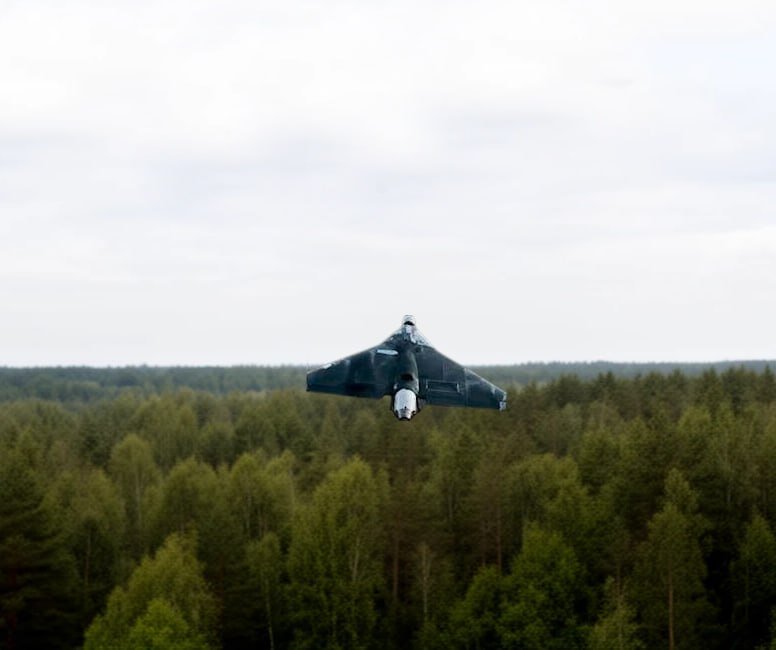
At 07:32 UTC on 19 August 2026, Iran's state broadcaster PressTV relayed a warning from Major General Ali Abdollahi, the chief of staff of Iran's armed forces, to countries on the southern coast of the Persian Gulf. The target was assistance to US forces: Abdollahi said Iran was closely watching states that publicly said they would not permit the United States to use their territory or facilities, and that Tehran was monitoring the presence of US military aircraft at regional bases, including refuelling aircraft. The available source items do not identify a particular Gulf government or specify which facilities were being discussed.
The statement is narrow in what it confirms and consequential in what it implies. It does not announce an attack, demand the withdrawal of US forces, or describe a change in Iran's force posture. It does, however, connect public declarations by regional governments with the operational question of whether their territory or facilities are used to support US military activity. Monexus analysis: the warning is best understood as an attempt to make that distinction politically costly for governments that seek to limit their public exposure while preserving room for operational cooperation.
A warning built around observable conduct
The wording distributed across the source items gives the message a dual structure. PressTV and other relays refer to countries on the southern shore of the Persian Gulf that have said they will not allow the United States to use their territory or facilities. A separate relay from Witness says Iran is monitoring the presence of US military aircraft at regional bases, with particular attention to refuelling aircraft.
That pairing matters because it moves the discussion beyond a general condemnation of US policy. The warning identifies two observable questions: what governments say in public, and what aircraft are present at regional bases. Read together, the message leaves open the possibility that Tehran will judge governments by the latter even when their public language rejects the former. It does not establish how Iran would respond, or whether any government has changed its conduct.
The same statement appeared through several relays on 19 August 2026. Tasnim News English posted its version at 05:46 UTC. Witness carried the warning at 05:51 UTC. OsintLive relayed a version at 06:27 UTC. PressTV posted a second version at 06:08 UTC and another at 07:32 UTC. Sprinter Press carried related wording on X at 07:26 UTC. The repeated distribution shows that the statement was being amplified across Iranian state media and accounts relaying Iranian material, though the sources do not establish who coordinated the release.
The distinction Tehran is drawing
The most plausible alternative reading is that Abdollahi's words are primarily political signalling. A public warning can serve several audiences at once, including domestic opinion, regional governments, the United States, and media organisations that relay official statements. On that reading, the reference to monitoring military aircraft communicates vigilance without committing Tehran to a specific course of action. The available sources support the existence of that communicative function, but not an operational consequence.
Monexus analysis: the stronger reading is not that the message announces a new threshold, but that it narrows the basis on which Iran may assign responsibility. Abdollahi does not limit the warning to an abstract alliance relationship. He refers to assistance to the US military and to the presence of military aircraft at regional bases. The statement therefore gives Tehran a public argument that a state cannot avoid responsibility merely by saying that US activity is unwelcome while allowing relevant support to continue.
That argument remains incomplete. The source items do not specify what kinds of assistance fall within the warning, whether the reference to territory or facilities includes overflight, basing, logistics, refuelling, or other activity, and whether Iran distinguishes between different forms of US support. They also do not identify a state, an installation, a date of aircraft movement, or a change in access arrangements. The statement is therefore evidence of a warning, not evidence that a particular government has crossed a stated threshold.
Why the regional question is larger than the headline
The warning places Gulf governments in a familiar diplomatic position: they may want to avoid appearing to endorse US military activity while retaining the ability to respond if regional security changes. The source material does not describe the views of those governments, their existing agreements, or their current military arrangements. It would be inaccurate to infer their intentions from the statement alone.
Nor do the sources establish the operational reach of US forces from any particular base. They refer generally to US military aircraft at regional bases and specifically mention refuelling aircraft, but they do not provide a facility-by-facility account, a force posture, a flight route, or a description of how aircraft support a wider operation. Monexus assessment: the warning's importance lies in its political framing, not in a demonstrated change to the military balance.
There is also a limit to what can be concluded from the language used by Iranian outlets. Tasnim's English channel describes the warning as concerning assistance to an "invading American army," while Sprinter Press refers to assistance to the US military conducting aggression. Those formulations are attributed to the relays and should not be treated as independent confirmation of events on the ground. The primary proposition common to the items is the warning issued by Abdollahi and Iran's stated monitoring of US military aircraft at regional bases.
What would turn rhetoric into a live test
The next meaningful evidence would not be another statement repeating Iran's position. It would be a verifiable change in the conduct that the warning addresses. That could include a documented change in access to regional facilities, a publicly explained restriction on US military aircraft, a new flight pattern, or a response from a Gulf government addressing the warning directly. The available source items do not specify whether any of those changes has occurred.
The same standard applies to military readiness. The sources mention Iranian monitoring, but they do not provide evidence of a naval deployment, an air-defence adjustment, a specific retaliatory measure, or a shift in operations at sea. It would therefore be premature to identify a particular geographic chokepoint or military formation as the likely next stage. The cautious conclusion is also the stronger one: the warning increases the political salience of US military support, while leaving operational outcomes open.
The distinction is important for readers assessing escalation. Statements attributed to a senior military official can reveal what a government wants regional partners to believe about its awareness and possible response. They cannot, without corroborating evidence, establish what those partners have done, what the United States has moved, or what Iran has prepared. On the record supplied here, the matter remains a public warning about assistance and the presence of military aircraft, not a documented change in basing access or force deployment.
Desk note: Monexus used Iranian state outlets and relays as primary evidence for Abdollahi's warning, separated their descriptions of alleged US activity from verified operational facts, and treated the political reading as analysis rather than as an established escalation.
Wire provenance
This editorial synthesis draws on the following public wire/social posts:
- https://t.me/presstv/203331
- https://x.com/SprinterPress/status/2089977367259152395
- https://t.me/osintlive/565200
- https://t.me/presstv/203322
- https://t.me/wfwitness/107555
- https://t.me/tasnimnews_en/31781