Trump's $850 million claim meets the data-center pitch
On 21 August 2026, Donald Trump said he had raised about $850 million for candidates he described as good Republicans. Separate clips posted that day show him arguing that data centers are clean and can reduce electricity costs.
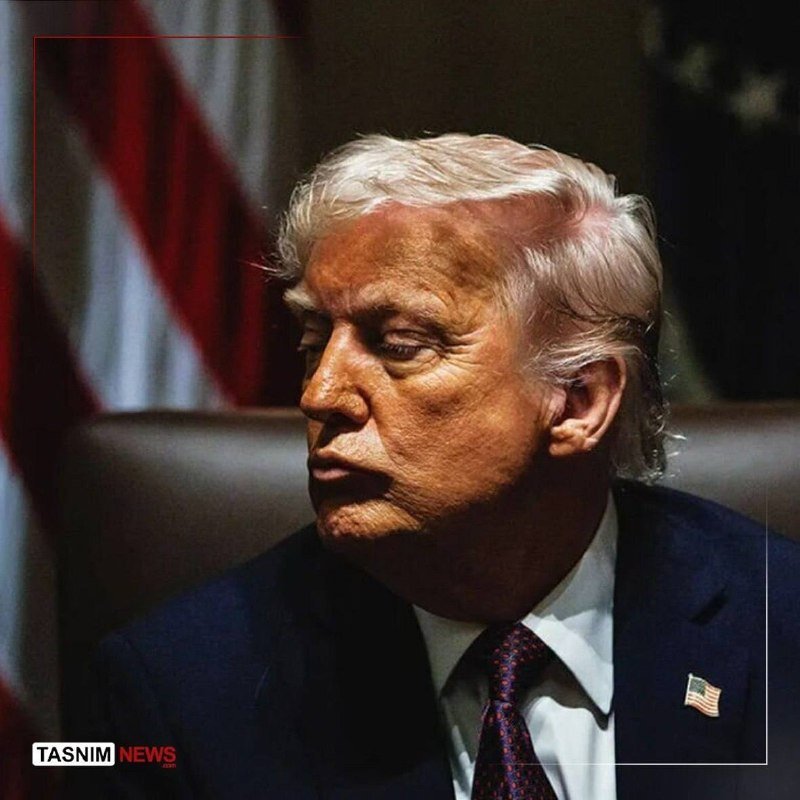
Donald Trump said on 21 August 2026 that he had raised "about $850 million," adding that the money would go to candidates he regarded as good Republicans. The claim appeared in a short ClashReport clip posted at 21:07 UTC, while disclosetv described an "over $850 million war-chest" in a post at 20:55 UTC. The two Telegram items relay the same fundraising figure, although the available material does not identify a filing, vehicle, or accounting period behind it.
Separate ClashReport clips posted over the following minutes carried Trump's claims that AI data centres can lower electricity costs because they build their own electricity facilities, and that the centres are clean enough to want in one's community. Read together, the clips offer a useful test of political framing: one supplies a large fundraising number, the other presents a costly technology as a broadly beneficial local project. Monexus analysis: that pairing appears designed to turn a funding boast and an infrastructure proposition into a single story of political competence. The clips alone do not establish that they came from one continuous appearance or one prepared section.
The number, carefully stated
Trump's exact formulation matters. He said he had raised "about $850 million," not that a final, independently verified total stood at precisely $850 million. He also said the money would be spent on candidates he considered good Republicans. The available clips do not specify which fundraising vehicle collected the money, which candidates might receive it, or when a disclosure would confirm the amount.
disclosetv's use of "war-chest" compresses that uncertainty into a more forceful label. ClashReport's longer excerpt retains Trump's "about" qualifier. Both are relays of the same public remark. Neither the headline nor the excerpt amounts to a financial record, so the figure should remain attributed to Trump rather than presented as established fact.
That distinction is not pedantry. Campaign fundraising is conveyed through a defined set of organisations, dates, and reports. Until the relevant vehicle and period are named, readers cannot tell what the number measures, what has already been spent, or what remains available. The supplied material does not answer those questions.
Two cheers for local power
The data-centre clips advance a narrower argument. Trump said the facilities would lower electric costs because they are building their own electric facilities. In another clip, he said: "If I ran a community, I would want to have the data centers. They are clean." A third post records him saying, "I only make good deals." Together, the excerpts present Trump's own positive assessment, not an independent finding about energy markets.
A plausible alternative reading is that large electricity users can sometimes develop dedicated supply or pay for new infrastructure, which may affect how project costs are allocated. But the clips identify no utility, project, generation source, community, regulatory process, or comparison between electricity prices before and after a data-centre development. They therefore cannot show whether the facilities Trump described would reduce bills, by how much, or for whom.
The uncertainty applies to "clean" as well. The posts do not identify the data centres in question or define which emissions, pollutants, or operating practices the word covers. On the evidence available, "clean" is a political description offered by Trump. It should not be converted into a technical conclusion.
The pitch inside the clips
Monexus analysis: the most revealing feature is not any technical claim but the sequence of ideas. The fundraising number establishes scale. The electricity claim promises a consumer benefit. The description of data centres as clean answers the immediate objection that industrial development may impose environmental costs. The line about making good deals supplies a general assurance after the more specific claims.
That is persuasive as political communication because each proposition is simple and quotable. It is weaker as policy evidence because the clips provide no mechanism to test it. The fundraising number lacks a named financial container; the electricity claim lacks a named grid; the environmental description lacks a named project and emissions boundary.
The distinction also guards against overreading the source trail. The ClashReport items were posted from 21:01 to 21:11 UTC on 21 August 2026, but the available text does not say they were recorded at the same event or even in one uninterrupted speech. The defensible claim is narrower: Trump made a set of related-sounding remarks in clips circulated over roughly sixteen minutes.
What the evidence can bear
Two unrelated headlines in the 21 August source bundle show why context must be handled carefully. Investing.com reported that the Trump administration moved to end an attorney group's oversight of law schools, and separately allowed temporary tariff-free beef imports to cut prices. Because the supplied items provide only headlines and links rather than article excerpts, this article does not assess either measure's substance or connect them to Trump's data-centre remarks.
The available source items also do not identify the ABA's response to the law-school oversight report, and they do not specify whether the proposal concerned federal policy, state policy, or earlier administrative action. Any broader claim about the administration's governing posture would exceed the evidence. The same caution applies to the beef measure: the headline supports only the existence of a temporary tariff-free import action said by the headline to be aimed at lowering prices, not its duration, quota, or economic effect.
The serious policy question is therefore easy to state. If a new electricity user finances dedicated generation or grid upgrades, some costs may not fall on ordinary customers. If it does not, communities may still face higher system demand or new infrastructure expenditure. The supplied clips do not identify which scenario Trump meant. Readers should demand the project, fuel source, grid, jurisdiction, and cost allocation before treating lower bills or environmental cleanliness as established outcomes.
The next useful disclosure is not another sweeping slogan. It is the paperwork beneath the $850 million claim and the engineering assumptions beneath "clean" and "lower electric cost." Until those appear, the remarks demonstrate Trump's sales pitch, not its accuracy.
Desk note: Monexus attributed the fundraising figure to Trump, treated the connection among the clips as analysis, and withheld substantive conclusions from two headline-only policy reports.
Wire provenance
This editorial synthesis draws on the following public wire/social posts:
- https://t.me/ClashReport/93203
- https://t.me/disclosetv/21745
- https://t.me/ClashReport/93204
- https://t.me/ClashReport/93205
- https://t.me/ClashReport/93201
- https://www.investing.com/news/economy-news/trump-administration-moves-to-end-attorney-groups-law-school-oversight-4871999
- https://www.investing.com/news/economy-news/trump-allows-temporary-tarifffree-beef-imports-to-cut-prices-93CH-4871950
- https://t.me/ClashReport/93203
- https://t.me/disclosetv/21745
- https://t.me/ClashReport/93204
- https://t.me/ClashReport/93205
- https://t.me/ClashReport/93201
- https://www.investing.com/news/economy-news/trump-administration-moves-to-end-attorney-groups-law-school-oversight-4871999
- https://www.investing.com/news/economy-news/trump-allows-temporary-tarifffree-beef-imports-to-cut-prices-93CH-4871950