The model picks its sleepers. The market picks its price.
SportsLine says it ran the 2026 NFL season through 10,000 simulations. Its August fantasy-football columns use claimed past hits to market the 2026 picks, but the available source material does not specify the players or the model's methodology.
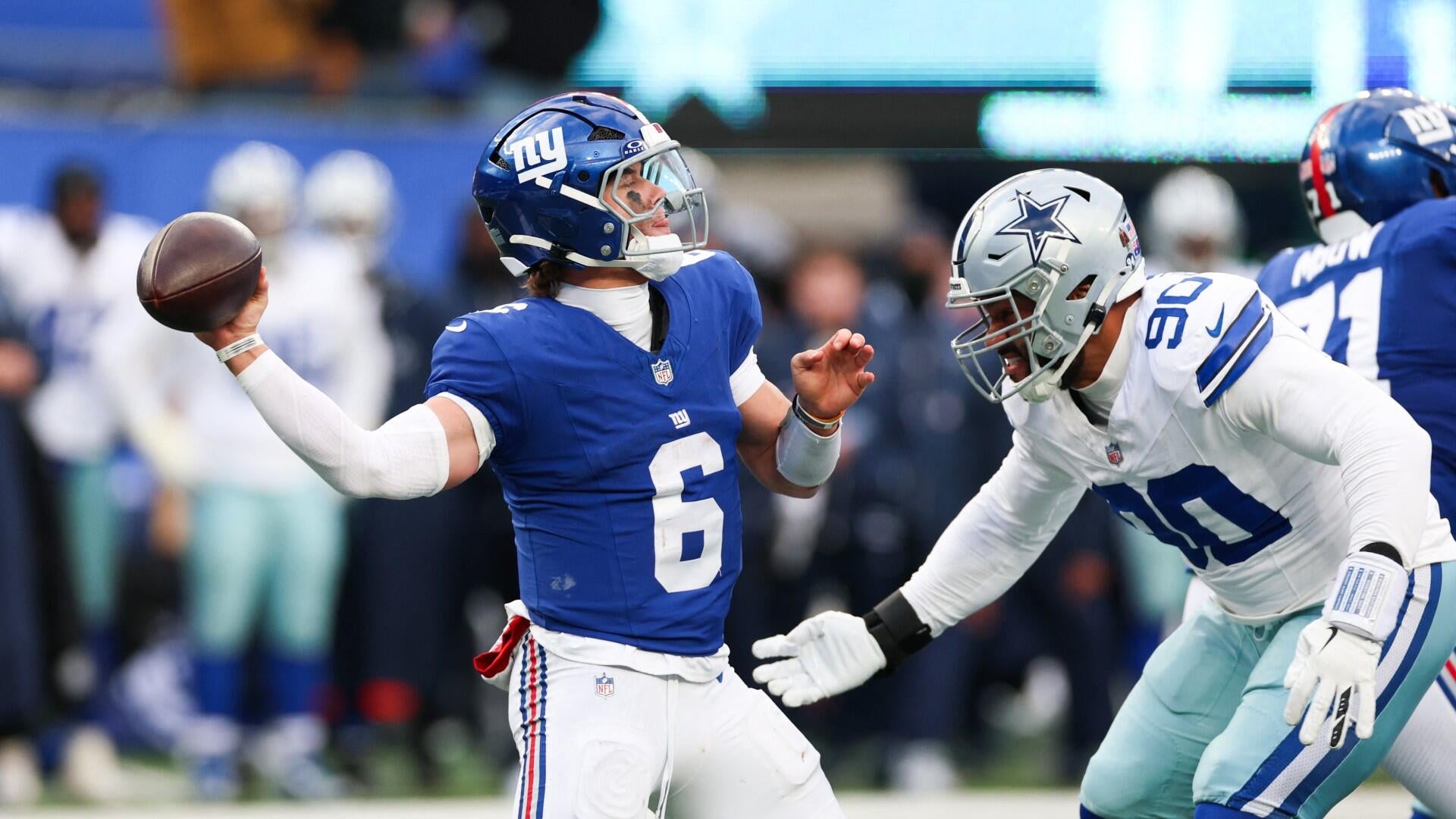
On 20 August 2026, CBS Sports' fantasy-football coverage published overlapping promotions for a SportsLine model said to have simulated the upcoming NFL season 10,000 times. By 21 August, another version of the same pitch led with the model's claimed ability to identify De'Von Achane's "amazing year." The repetition is notable, but the available source material does not specify the sleeper names, draft prices, or methodology behind the projections.
SportsLine's columns present simulation output as draft-day intelligence. The stronger editorial question is what the promotion actually establishes. The source items support the existence of a 10,000-simulation exercise and the use of selected past performances as marketing anchors. They do not, by themselves, establish which players offer value in a particular league, how projections were produced, or whether the claimed historical calls can be independently evaluated from the supplied material.
Four columns, two historical anchors
The four August 2026 items fall into two pairs. Two headlines connect the 2026 exercise to a model said to have forecast Daniel Jones' "huge year," with one using "per model that predicted" and the other "via model that forecast." Two more connect it to Achane, using the phrases "simulation that nailed" and "computer that nailed" his "amazing year.
That choice of framing matters. Monexus analysis: the past result is doing evidentiary work before the 2026 projection is examined. Daniel Jones and Achane function less as the subject of the current analysis than as evidence of the model's supposed predictive authority. The repeated wording across separately timed items also suggests a coordinated attempt to present the same broad forecasting product to drafters searching through several related queries.
The available items do not specify whether the model was run once and reused, or whether the articles describe separate but identical simulation exercises. That distinction cannot be resolved from the headlines and teasers alone. It is also why the columns should be read as claims about a product, not as independently audited forecasts.
The limits of the simulation pitch
The Daniel Jones items use the same central claim but present the exercise as an aid to "early 2026 Fantasy football draft strategy." The Achane items say the simulations revealed sleepers for 2026 draft preparation. In each case, the numerical anchor is 10,000 simulations, while the persuasive anchor is a named past result.
Monexus analysis: the structural pattern is an authority chain. The simulation supplies the scale, the historical player supplies the narrative, and the article supplies the current draft context. The chain is commercially effective because it gives a prospective drafter two reasons to believe: a quantified process and a memorable result. But neither element, as presented in the available material, discloses the inputs, assumptions, or full set of 2026 outputs needed for an independent assessment.
A plausible alternative reading is that the items are content packages for different search intents, not contradictory analyses. One pair addresses sleepers, breakouts and busts, while the other pair narrows the pitch to sleepers. The title variations could reflect audience targeting rather than a change in the underlying model. Even under that reading, the promotional structure remains the same: past performance first, present uncertainty second.
Draft value is a market question
Fantasy drafts impose scarcity. A player can be accurately projected and still be a poor pick if managers have already bid up his expected production. That comparison is intuitive, but the source items provide no sportsbook prices, average draft positions, auction values, or opposing projections. The available record therefore does not support a claim that sharp bettors or casual drafters are already disagreeing, or that a betting market has incorporated the SportsLine output.
What can be said is narrower. SportsLine is attempting to influence draft preparation by packaging projections as rankings, sleepers, breakouts and busts. A drafter evaluating those recommendations would need more than the four headlines: the full player list, league settings, positional scarcity, injury assumptions, opportunity metrics, and the model's treatment of uncertainty. None of those details is specified in the supplied items.
This is the important difference between a forecast and a value claim. The former estimates what may happen. The latter asks whether a player's expected outcome exceeds the cost of acquiring him. A 10,000-run simulation can inform the first question, but the available source material does not show that it answers the second.
What the August cycle leaves unresolved
The four source items establish the scale of the simulated exercise and two claimed examples of past success. They do not enumerate the 2026 sleepers, identify any breakout or bust, state an average draft position, or describe the translation from model inputs to player projections. The available items also do not specify whether readers could access the analysis without a subscription or what access each article offered.
The most defensible conclusion is consequently modest. SportsLine's August 2026 promotion uses repeated 10,000-simulation language and selected past results to establish credibility for 2026 fantasy-football draft advice. Its authority rests on claims that the supplied material does not allow a reader to audit in full. Until the player-level outputs and methodology are available, the columns are best treated as a guide to the questions a drafter should ask, not as proof that a particular selection will outperform its cost.
Desk note: Monexus framed the SportsLine series as a study of how simulation claims are marketed during fantasy-football draft preparation, while avoiding unsupported claims about betting markets, draft timing, and individual player value.
Wire provenance
This editorial synthesis draws on the following public wire/social posts:
- https://www.cbssports.com/fantasy/football/news/fantasy-football-rankings-2026-sleepers-from-simulation-that-nailed-devon-achanes-amazing-year/
- https://www.cbssports.com/fantasy/football/news/fantasy-football-rankings-2026-sleepers-breakouts-busts-via-model-that-forecast-daniel-jones-huge-year/
- https://www.cbssports.com/fantasy/football/news/fantasy-football-rankings-2026-sleepers-from-computer-that-nailed-devon-achanes-amazing-year/
- https://www.cbssports.com/fantasy/football/news/fantasy-football-rankings-2026-sleepers-breakouts-busts-per-model-that-predicted-daniel-jones-huge-year/
- https://www.cbssports.com/fantasy/football/news/fantasy-football-rankings-2026-sleepers-from-simulation-that-nailed-devon-achanes-amazing-year/
- https://www.cbssports.com/fantasy/football/news/fantasy-football-rankings-2026-sleepers-breakouts-busts-via-model-that-forecast-daniel-jones-huge-year/
- https://www.cbssports.com/fantasy/football/news/fantasy-football-rankings-2026-sleepers-from-computer-that-nailed-devon-achanes-amazing-year/
- https://www.cbssports.com/fantasy/football/news/fantasy-football-rankings-2026-sleepers-breakouts-busts-per-model-that-predicted-daniel-jones-huge-year/