Hull's opening-day jolt exposes the Manchester United rebuild that hasn't started
Newly promoted Hull City beat Manchester United 2-0 at the MKM Stadium on
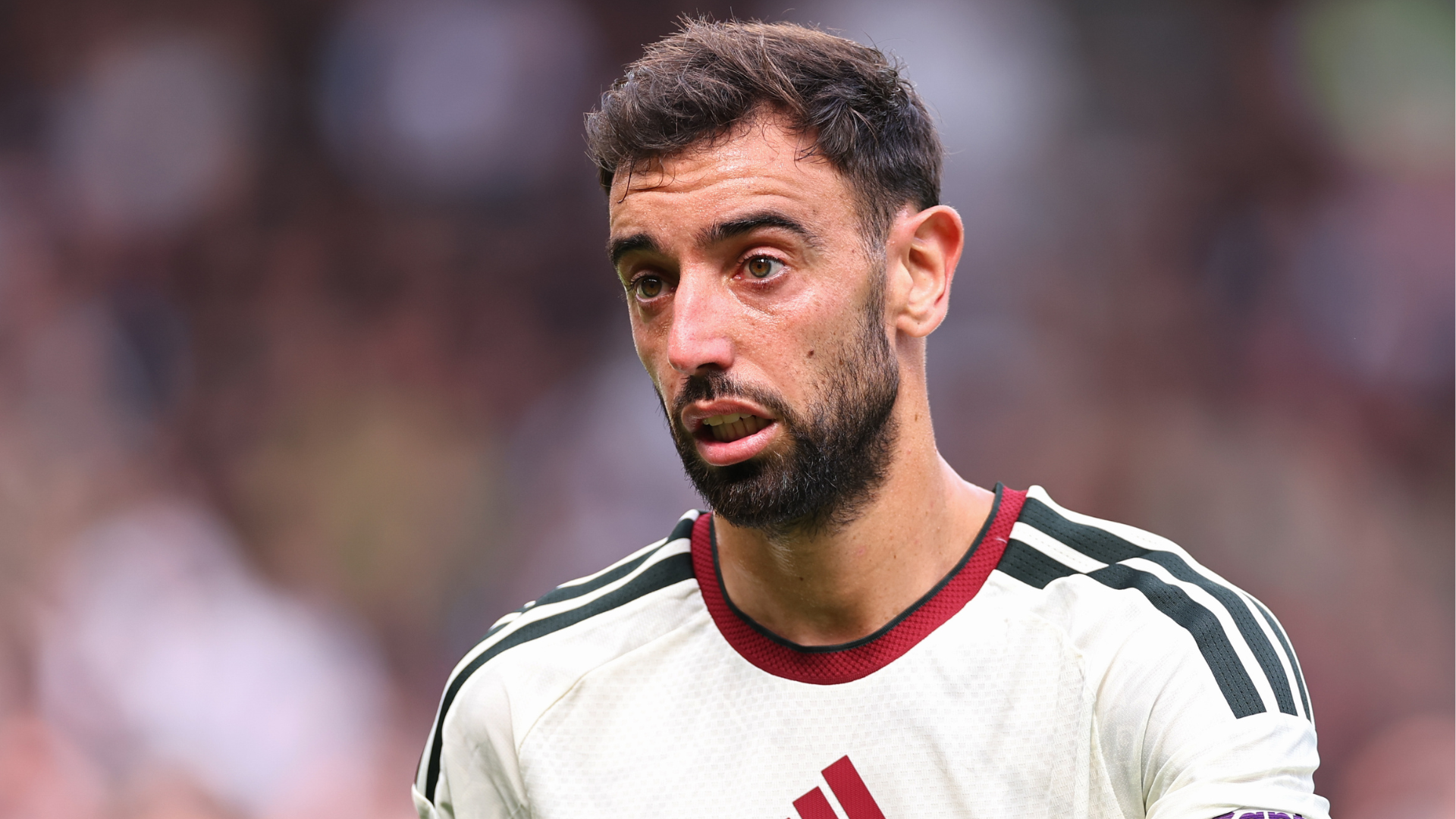
Two-nil at the MKM Stadium, and the Premier League's opening weekend had the result it wanted least to defend. Newly promoted Hull City beat Manchester United 2-0 on 22 August 2026 in the league's first fixture of the new season. BBC Sport headlined the night as a "dream Premier League return" for the Tigers; the Premier League's official Telegram channel went sharper, calling it "Man Utd Mauled By Brilliant Hull" and noting that Hull are a newly promoted side. The framing war began before the final whistle had cooled: Carrick calm, the wires less so.
That is the cleanest read of the day's news. The contested one is what it means. A promoted side winning at home is not, on its own, a verdict on anything except that side's first weekend. But a promoted side beating Manchester United, a club still under Michael Carrick's management, lands differently. It lands as a stress test the visitors were not ready for, and the next round of Premier League fixtures will tell us how much of Hull's win was preparation and how much was United's fault.
The 90 minutes that set the agenda
The structure of the defeat, more than the scoreline, is what worried the visiting dugout. BBC Sport's video report framed United's concession of two goals against a newly promoted side determined to mark its return to the top flight as the story of the opening weekend. The Premier League's official channels echoed the read, with the Telegram feed giving Hull's win the season-opener's headline slot.
Carrick, to his credit, did not reach for the panic button. BBC Sport carried his post-match tone forward: United, in his telling, did not click, and the performance fell short of what the club expects of itself. That is what made the wider coverage sharper, because it positions the defeat as the first data point of a campaign rather than a freak result. ESPN ran one piece under the headline "Man United fall to shock Hull defeat in Premier League opener" and followed it with a second, "Too soon to panic? Man United see problems exposed in Hull City defeat," raising immediate defensive questions about Carrick's side. CBS Sports' write-up of the opening-day upset covered the same ground. The Premier League's official-channel framing, a "mauling" on opening night, is the editorial line United now has to live down for a week.
The counter-narrative: why one matchday is not a season
The case against treating Hull–United as a referendum is straightforward, and it deserves air. Promoted clubs historically take points off the Premier League's heavy hitters in August; the schedule is short on rhythm, the pitches are heavy, and the travelling side is often still assembling its preferred XI. The opening weekend of 2026-27 is not a sample size; it is a single match in a thirty-eight-game league. Carrick's "didn't click" formulation is, in that reading, an accurate description of a team that has not yet gelled, not of a team that has lost its way.
Two things complicate the comfort read, though. First, the gap between United's wage bill and Hull's is the kind of gap that should not be closed by a single round of fixtures; a 2-0 home win for the promoted side is the sort of result that, in a normal distribution of Premier League outcomes, happens occasionally. When it happens on the first day of the season, the conditional probability on another bad week rises, because the manager has fewer obvious levers to pull before the international break. Second, the Hull display, described in BBC Sport's coverage as a "dream" return, was specific and rehearsed. This was not a promoted side stumbling into a result. It was a promoted side that had identified a shape United could not solve.
What the rebuild actually looks like, in public
The structural frame here is the rebuild that has not visibly started. United's football operation has cycled through sporting-director structures, head coaches, and recruitment philosophies at a pace that makes any coherent plan hard to identify from the outside. A long post-Ferguson drift is now long enough that the club's recruitment, scouting, and academy pipelines should, in theory, be producing a recognisable squad identity by now. The Hull defeat did not prove they are not. It did prove that the identity, whatever it is, was not visible at kick-off on 22 August. Monexus analysis: ESPN's two-piece arc, from the opener's "shock defeat" headline to the follow-up's "problems exposed" framing, is the clearest public signal of where the editorial consensus is heading, and it was set without any apparent need for outlets to coordinate the line.
There is a parallel reading, less flattering to the Premier League's middle class, that says promoted clubs are simply getting better. Hull's win fits a pattern in which newly promoted sides arrive with sharper tactical plans and more coherent recruitment windows than the mid-table incumbents they are now beating. That is a longer story than one matchday can tell. But it is the story underneath the result, and United are now part of it whether they intended to be or not.
What to watch before the international break
The next fixture is the real test, and it is a short one. United's second match of the season will tell us whether Carrick's restraint was honest self-assessment or managerial insulation. If United win and look coherent, the Hull result recedes into the season's texture. If they lose or draw poorly, the narrative hardens, and the questions about the rebuild will no longer be the kind a manager can answer in a post-match interview.
The dates that matter are simple: the next Premier League round, and the first week of September, when the international break will pause the club calendar and give Carrick a window of training-ground time he has not had since pre-season. Hull, meanwhile, face the opposite pressure: they have set a standard, and the league will adjust to it. The promoted side's job in the next two matches is to prove that 22 August was the start of something rather than the peak of it. Both clubs now play the same fixture: live up to a result, or be defined by it.
Monexus framed this as a stress test of United's post-Ferguson rebuild rather than a one-off upset, drawing the structural read from ESPN's two-piece arc and the Premier League's official-channel framing of Hull as the story of the opening weekend.
Wire provenance
This editorial synthesis draws on the following public wire/social posts:
- https://www.bbc.co.uk/sport/football/videos/clyl5ejxj2wo?at_medium=RSS&at_campaign=rss
- https://t.me/Premier_League/1974
- https://www.bbc.co.uk/sport/football/articles/c87n78p070do?at_medium=RSS&at_campaign=rss
- https://www.espn.com/soccer/story/_/id/49690579/man-united-fall-shock-hull-defeat-premier-league-opener
- https://www.espn.com/soccer/story/_/id/49691465/too-soon-panic-man-united-see-problems-exposed-hull-city-defeat
- https://www.bbc.co.uk/sport/football/videos/clyl5ejxj2wo?at_medium=RSS&at_campaign=rss
- https://t.me/Premier_League/1974
- https://www.bbc.co.uk/sport/football/articles/c87n78p070do?at_medium=RSS&at_campaign=rss
- https://www.espn.com/soccer/story/_/id/49690579/man-united-fall-shock-hull-defeat-premier-league-opener
- https://www.espn.com/soccer/story/_/id/49691465/too-soon-panic-man-united-see-problems-exposed-hull-city-defeat