Hormuz, on the edge of a market call
Iran warns shipping of fines, detention and confiscation in the Strait. Brent drops nearly 1% on the eve of new US measures. The market is pricing a 33% chance Hormuz traffic normalises by year-end, and the diplomats in the room are still talking.
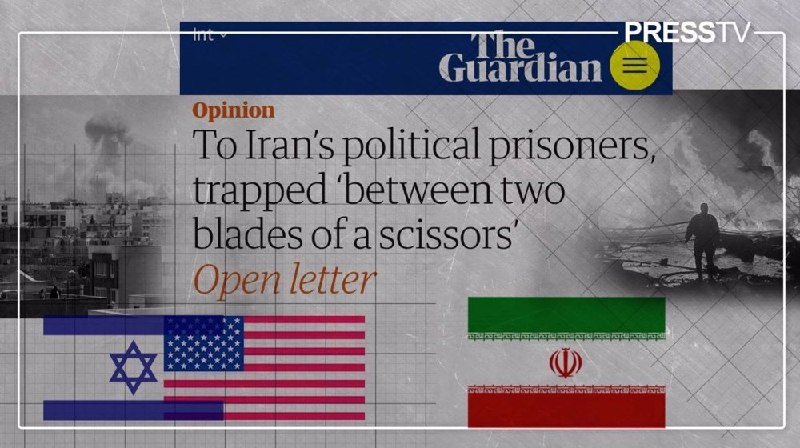
At 06:32 UTC on 24 August 2026, Iran's state broadcaster PressTV carried a written warning to commercial vessels transiting the Strait of Hormuz: comply with Iranian protocols, or face fines, detention or confiscation. The notice gave no grace period. Three hours earlier, Reuters had reported oil prices slipping on the expectation that Washington would unveil a fresh round of Iran sanctions. Brent fell roughly 1% across three separate sessions on 23 and 24 August, according to Investing.com's running ticker, even as Tehran signalled it was ready to escalate.
The market and the message are now running in opposite directions. Western capitals are tightening the screws on Iran's export machine. Tehran, in turn, is signalling that the chokepoint it sits on is no longer a free passage. The numbers behind those two claims are tiny in dollar terms so far, and large in consequence if either side blinks.
The shipping already knows
PressTV's dispatch framed the new posture as enforcement of existing protocols, not a blockade. The language matters. Detention and confiscation of foreign vessels have been Tehran's lever of choice for years, calibrated to nuisance rather than to shut the corridor entirely. The warning extends that toolkit with the explicit promise of financial penalties, which can be levied against operators and their insurers even when the hull is released.
The wager is that underwriters and shippers will vote with their rudders before any single vessel is boarded. By 23:24 UTC on 23 August, Polymarket's contract on "Hormuz traffic returns to normal by end of year" sat at 33%. That is not a binary. It is the market saying it believes disruption is more likely than not, but a partial, messy normal is still possible.
The Western frame, and its limits
The Western wire line is consistent across the past 36 hours: new US sanctions are coming, and they will bite. Investing.com's 23 August story used the phrase "further sanctions" three times in its lead. Reuters reported the same expectation at 04:40 UTC on 24 August. The "economic D-Day" framing in a separate Investing.com dispatch on 24 August, sourcing the threat that Iran could halt all oil exports, captures the official Western register: maximum pressure, maximum stakes.
Monexus analysis: that frame understates the cost of the lever Washington is actually pulling. Sanctions tighten the export valve; they do not buy Tehran compliance. The lever Iran reaches for in response is the strait itself, a corridor through which a large share of seaborne oil moves. The Western story treats the announcement of new sanctions as the headline event. The Iranian story treats the response as the headline event. Both can be. The market, judging by the 33% Hormuz number, agrees.
What Tehran can actually do
PressTV's wording is "various punishments, including fines, detention, or confiscation". Three tools, each with a different blast radius. Fines are theatre: payable, ignored, written into future insurance premiums. Detention is a slow squeeze on the specific operator. Confiscation is escalation, because it turns an enforcement action into a property dispute that drags in the flag state.
The available reporting does not specify whether Iran has used all three before on Hormuz transits, in what years, or against which vessels; the PressTV dispatch and the wire items in hand do not itemise prior cases. What the record does show is sequencing. The PressTV warning landed the same day Western markets were told to expect fresh measures. Whether by design or by calendar, the messaging is calibrated to land on underwriters in London, charterers in Singapore and refiners in India at the same moment.
The stakes, written in barrels
If even a portion of Iran's threat is carried out, the effect is asymmetric. Sanctions reduce Iran's exports by some increment, denominated in barrels per day. A serious scare in the strait moves the global benchmark by multiples of that increment, in dollars per barrel. Tehran's calculation, on this reading, is that the second-order price effect is worth more than the first-order volume loss. The 1% Brent move on 23-24 August is the market nibbling at that hypothesis.
The counter-read is that Iran cannot afford to close the strait either. Its own customers are inside the corridor. Its own refineries depend on imported feedstock through the same waterway. A genuine shutdown hurts both sides. The PressTV language is deliberately short of "closure". That is the most informative word in the whole dispatch.
What the sources do not specify
The available reporting does not name the vessels covered by the new warning, the flag states most exposed, or whether Iran's Revolutionary Guard Corps navy or its regular navy will conduct any boarding actions. The market-pricing sources give no strike price or notional volume for the Polymarket Hormuz contract beyond the 33% probability print. The US sanctions announcement itself is dated to "on or about 24 August" across the wires, with no publication of the underlying executive order in the items available. Monexus has not independently established which of those details will resolve first; readers should expect the next 48 to 72 hours to clarify the sanctions text and the first operational response at sea.
Desk note: Wire coverage on 23-24 August leaned on the sanctions announcement as the headline; Monexus has centred the shipping warning, on the view that the corridor, not the new designation list, is where the next price move will be made.
Wire provenance
This editorial synthesis draws on the following public wire/social posts:
- https://t.me/presstv/203962
- http://reut.rs/3U957mp
- https://www.investing.com/news/commodities-news/us-vows-economic-dday-as-iran-threatens-to-halt-all-oil-exports-4872522
- https://www.investing.com/news/commodities-news/oil-prices-drop-nearly-1-as-us-prepares-more-iran-sanctions-4872509
- https://www.investing.com/news/commodities-news/oil-falls-1-ahead-of-us-announcement-to-impose-further-sanctions-on-iran-4872489
- https://x.com/Polymarket/status/2091654366113468446
- https://x.com/Polymarket/status/2091654185490014314
- https://t.me/presstv/203962
- http://reut.rs/3U957mp
- https://www.investing.com/news/commodities-news/us-vows-economic-dday-as-iran-threatens-to-halt-all-oil-exports-4872522
- https://www.investing.com/news/commodities-news/oil-prices-drop-nearly-1-as-us-prepares-more-iran-sanctions-4872509
- https://www.investing.com/news/commodities-news/oil-falls-1-ahead-of-us-announcement-to-impose-further-sanctions-on-iran-4872489
- https://x.com/Polymarket/status/2091654366113468446
- https://x.com/Polymarket/status/2091654185490014314