Tehran names 45 tankers as Hormuz becomes the next market stress test
A new Iranian Strait Authority has named 45 vessels for alleged Hormuz violations, days before US equity futures brace for Iran headlines and Nvidia earnings. The line between tanker policing and oil-price risk just got shorter.
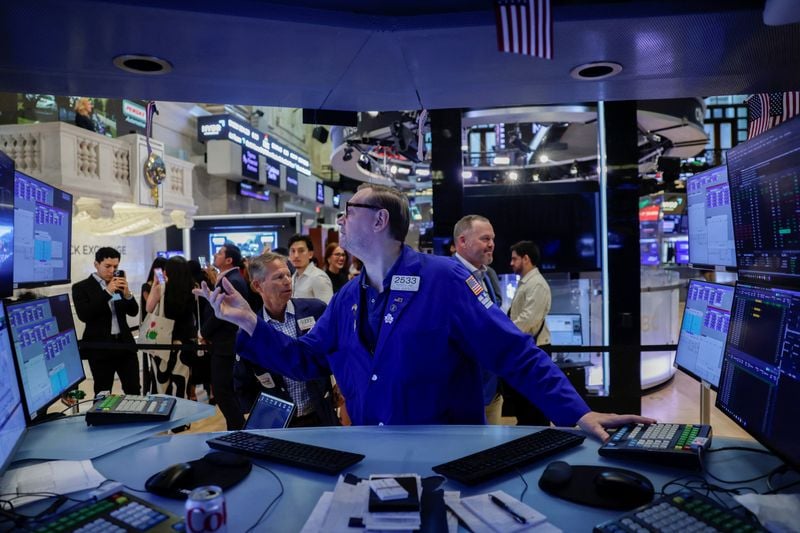
The tanker list landed on Telegram at 15:15 UTC on 24 August 2026, posted by The Cradle's channel. Iran's Strait of Hormuz Authority, described in the post as a newly formed body, had blacklisted 45 vessels for "violating" the waterway's regulations, with fines and possible detention awaiting ships that disregard Iranian rules. By the time the message crossed the desks, US equity index futures were already drifting lower on the same screen of risks: Iran sanctions, oil volatility, and Nvidia's earnings due after the close.
The market is being asked to price two things at once. The first is a regulatory action by an Iranian body The Cradle labels new. The second is the possibility, framed here as analysis rather than a sourced statement, that tanker policing shades into tanker interdiction. The cost of mistaking one for the other shows up in front-month freight rates and Brent spreads within hours, on the historical record of similar episodes in other chokepoints.
A new authority with old teeth
The Strait Authority is, by The Cradle's characterisation in its 15:15 UTC wire, a recently formed entity with jurisdiction over passage rules, inspection regimes and the discretion to penalise non-compliant vessels. According to an Investing.com commodities dispatch dated 24 August 2026, the Authority has "threatened" 45 tankers with fines and confiscation; that headline wording is the wire's own framing, paraphrasing the Iranian move. The Cradle's parallel reporting characterised the move as a blacklist for vessels that "breach" the rules, with the punitive menu including fines, detention and confiscation.
The mechanics matter regardless of the body's age. Iran sits on the northern shore of a strait that the available reporting treats as a critical oil chokepoint. The legal pretext for boardings has long existed in Iranian proclamations; what changes when a blacklist with named hulls is published is the signalling. Each vessel on the list is, in Monexus's reading, a question for its operator: do we reroute, do we pay, do we wait? For the underwriters and charterers behind them, the question is one of risk premia in a market that has now been handed a named, dated enforcement instrument rather than a generic threat.
The futures market had already started flinching
The blacklist was the freshest of three inputs the equity open was forced to digest. Earlier in the session, Investing.com's economy desk had reported that S&P and Nasdaq futures slipped into the US close as traders positioned for a week stacked with Iran-related headlines and the Nvidia print. A separate commodities dispatch on the same platform summarised the tanker threat as part of the broader Hormuz escalation narrative that futures desks had been hedging since the Asian session.
Read together, the two Investing.com wires and The Cradle's Telegram post describe a market pricing in two named, dated catalysts. The Western-wire framing leans toward "escalation" and a sanctions overhang; the regional outlet's framing leans toward Iranian sovereignty over the waterway. Both can be true. The contested terrain is whether the blacklist produces compliance, confrontation, or simply a slower, more expensive transit regime that the market learns to live with until the next headline resets the calculation.
The reading this publication finds most defensible
The line between enforcement and blockade has always been a function of intent, not just capability. A blacklist of 45 named hulls, issued by a body The Cradle calls new and acting under a legal framework Tehran has long asserted, is best read as a coercive instrument aimed at three audiences at once: the shipping industry, the insurers who price Hormuz transit, and the governments whose flags those 45 vessels fly.
Monexus analysis: the most natural reading is that the Strait Authority is testing how much friction the maritime sector will absorb before charterers begin rerouting cargo away from the strait by default. Rerouting, even partial, would force longer voyages, fuller inventories at destination ports, and a structural tightening of the global light-sweet market that no single OPEC meeting can replicate. Tehran does not need to close the strait to extract a price from it; it needs only to make transit reliably inconvenient.
What remains genuinely contested
The wire coverage available as of the European afternoon does not specify which flags are represented on the 45-vessel list, which owners have received formal notification, or whether any classification society has yet issued guidance to members. The available source items do not state the Strait Authority's founding date; the word "new" is The Cradle's, not a primary Iranian government statement within the supplied thread. Neither the Investing.com dispatch nor The Cradle's Telegram post provides a percentage figure for the strait's share of globally traded oil in the excerpt available to this article. These gaps are flagged rather than filled in.
Separately, an unsourced Telegram post on the IntelSlava channel at 13:52 UTC on 24 August claimed Iranian authorities had announced a natural-gas discovery worth up to $165 billion. The post cites no issuing ministry and links to no primary document; this article treats it as an unverified datapoint and does not incorporate it into the market frame. The sourcing standard for any Iranian hydrocarbon announcement of this scale would be a Ministry of Petroleum release or a National Iranian Oil Company filing, neither of which the available source items contain.
The week ahead, and the date on the calendar
The market's near-term map is unusually legible. Nvidia is, per Investing.com's economy desk, due to report during the same week the Iran headlines are printing, and any sanctions story that breaks before then will be traded against an earnings event with its own gravitational pull. The Strait Authority's list is unlikely to be the last such instrument Tehran issues; the open question is whether the next iteration is a longer list, a detention, or a boarding. Each carries a different freight-rate footprint, and each will be repriced in minutes rather than days.
For charterers, the practical question is no longer whether Hormuz transit costs more this quarter than last. It is whether the cost is now structural, and whether the underwriters have caught up.
Desk note: this piece leads on the named, dated vessel list rather than the sanctions rumour cycle, and treats The Cradle's wire as one input among several rather than as a stand-alone frame. The Iran-side coverage has been weighted equally with the Western commodities wire, and an unverified gas-deposit claim from a Telegram channel has been held out of the analytical frame pending primary sourcing. Two material gaps in the thread evidence, the Strait Authority's founding date and the strait's share of global oil flows, have been flagged in-line rather than asserted.
Wire provenance
This editorial synthesis draws on the following public wire/social posts:
- https://www.investing.com/news/economy-news/sp-nasdaq-futures-slip-as-markets-await-iran-sanctions-nvidia-results-4873000
- https://www.investing.com/news/commodities-news/iran-threatens-45-tankers-with-fines-confiscation-in-hormuz-escalation-4873062
- https://t.me/thecradlemedia/66736
- https://t.me/TheCradleMedia/66736
- https://t.me/intelslava/93113
- https://www.investing.com/news/economy-news/sp-nasdaq-futures-slip-as-markets-await-iran-sanctions-nvidia-results-4873000
- https://www.investing.com/news/commodities-news/iran-threatens-45-tankers-with-fines-confiscation-in-hormuz-escalation-4873062
- https://t.me/thecradlemedia/66736
- https://t.me/TheCradleMedia/66736
- https://t.me/intelslava/93113