Trump threatens 50% auto tariffs on Canada as trade talks collapse
A Truth Social post on 24 August 2026 doubles duties on Canadian vehicles, parts and steel to 50% from 1 January 2027, after talks between Ottawa and Washington stalled over agriculture and the existing USMCA review.
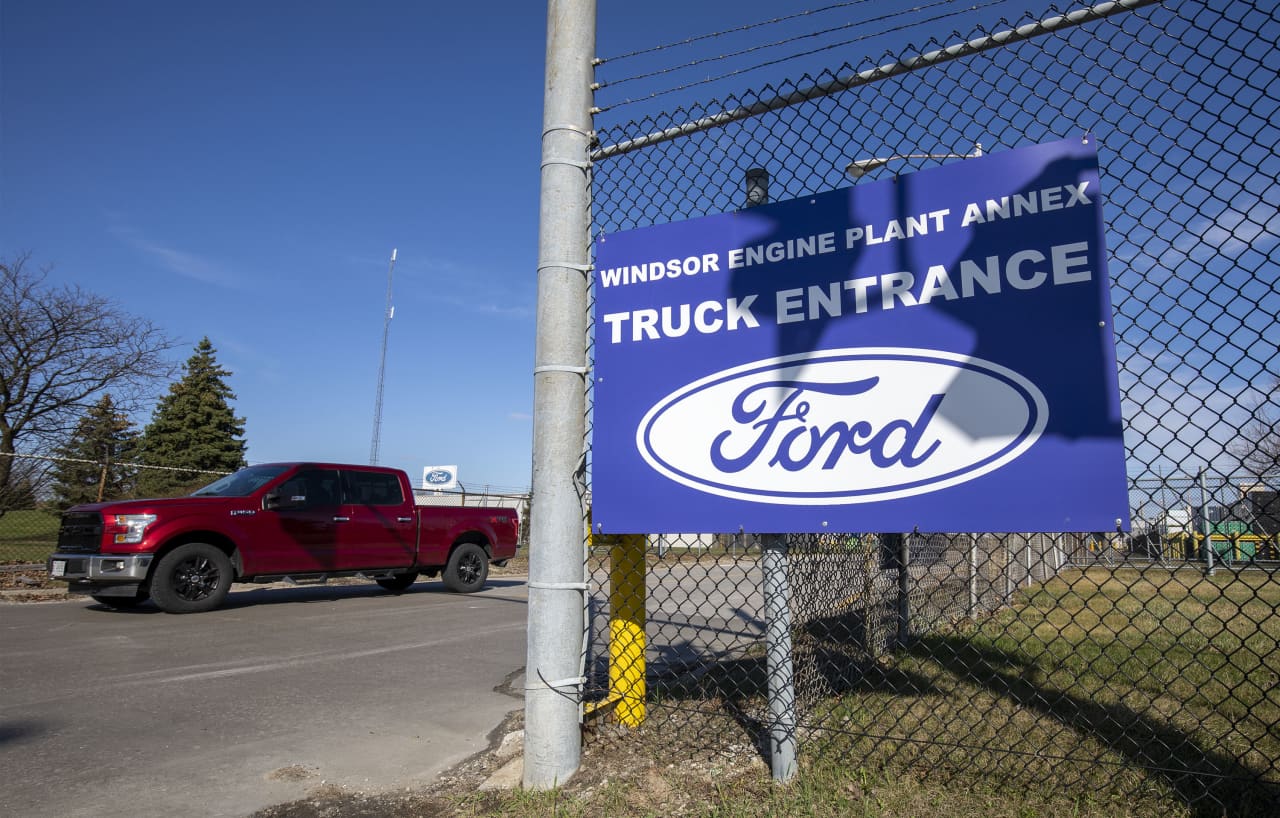
President Donald Trump posted on Truth Social on Monday 24 August 2026 that the United States would raise tariffs on all Canadian cars, trucks, automotive parts and steel to 50% from 1 January 2027, accusing Ottawa of running a $60 billion surplus through high duties on US agricultural products. The escalation lands as bilateral trade talks have visibly stalled, and it doubles down on duties that were already the central irritant between the two neighbours. France 24, citing the social-media post, framed the move as a doubling of existing auto duties; an aggregator of Trump statements put the broader trajectory in starker terms, describing relations between Washington and Ottawa as a downward spiral into an escalating trade war. The post itself is the action; the policy detail is the threat; the date that matters is five months out. None of this is the rhetoric of a negotiated settlement. It is the language of a leader who has decided that the cost of escalation is cheaper than the cost of accommodation.
What's actually on the table
The numbers in the Trump post are blunt. US tariffs on all Canadian cars and trucks, on automotive parts, and on steel rise to 50% beginning 1 January 2027, per the France 24 read of the social-media message. That figure sits on top of duties already in place: Canadian steel and aluminium have been hit by successive US measures since the spring, and the North American auto sector has spent the last eighteen months trying to price in the existing 25% baseline. A doubling of that baseline, on a roughly four-month forward schedule, is not the work of a policymaker testing a negotiating position. It is a deadline. The cited material does not specify whether the 50% rate would replace or stack with existing duties; the threat as worded reads as a fresh ceiling rather than an additive tariff, but the available source items do not specify the technical mechanism. That distinction will matter a great deal to Detroit, Oshawa and Brampton in the new year.
The trigger, as Trump frames it, is agriculture. He told his followers that Canada is taking advantage of the United States by maintaining high tariffs on American agricultural products and that the bilateral relationship has produced a $60 billion deficit. The deficit figure is one he has used before in trade fights with Canada. What matters for this article is not whether the number survives an auditor's reading, but that the President is willing to anchor a 50% tariff threat to it.
What just collapsed
Trade talks between Ottawa and Washington were already on a short leash. The threat of a January 2027 doubling appears to be aimed at forcing movement before negotiators sit down in earnest. The cited material frames it as a collapse: "trade talks collapse" is the headline France 24 used on its report, and the Insider Paper summary described the two countries as "spiralling towards an escalating trade war." That is the language of a relationship that has moved past the bargaining phase and into the punishment phase. Reporting outside this thread, including a Politico headline dated 22 August 2026, has PM Mark Carney publicly bucking Trump as the trade war escalates; a CBS News headline dated 24 August 2026 indicates Ottawa preparing to match US tariffs "dollar for dollar." The Canadian response is therefore not silence but escalation in kind, and the available source items do not specify what concrete concession on dairy, autos content rules or the digital services tax Ottawa has put on the table in the formal channel that would bring the 1 January 2027 deadline back from the calendar.
The economics of a 50% rate
A 50% tariff on finished vehicles is functionally prohibitive for cross-border trade. The current 25% rate has already pushed automakers to reconfigure North American supply chains, with US-bound vehicles increasingly assembled in US plants using North American steel and aluminium. A 50% rate would not produce a fresh round of that adjustment; it would end the cross-border vehicle trade as it currently exists. Canada would lose a market that takes the majority of its vehicle exports; the United States would pay higher prices for a thinner set of import options. Steel at 50% would have the same effect at the input layer: Canadian steel becomes effectively uncompetitive in US construction, automotive and pipe applications, and US mills gain pricing power that they have not had in a generation. A 24/7 Wall St. headline dated 24 August 2026 shows the market treating the threat as material: Ford and Stellantis each shed roughly 4% on the day, with General Motors slipping alongside them. The available source items do not specify whether any carve-outs are contemplated for content produced under USMCA rules-of-origin thresholds, or for steel melted and poured in North America. If the 50% rate is applied at the border without those carve-outs, the supply-chain shock is the largest since the 2018 Section 232 measures.
Why now, and what to watch
The structural reading is straightforward. The Trump administration is treating the bilateral deficit as a political artefact rather than a balance-of-payments figure, and it has decided that the cost of a tariff fight with Canada is lower than the cost of an orderly USMCA review. That calculation depends on two things: how Canadian provincial governments absorb the shock to auto-dependent Ontario and Quebec, and how US automakers and the United Auto Workers respond to a price signal that pushes new-vehicle costs up across the board. The equity reaction on 24 August 2026 is the first hard data point on the second question. Two dates matter between now and 1 January 2027: any cabinet-level contact between the two trade ministers, and the USMCA joint review session that the cited material flags as the venue where the underlying disagreement has to be either resolved or weaponised. Carney's framing of the dispute as a fight he intends to match, and Ottawa's dollar-for-dollar reciprocal posture, means the deadline is now bilateral rather than unilateral. The threat is the headline. The deadline is the story.
Desk note: Monexus frames this as a deadline imposed in a collapsing bargaining channel, with Ottawa's matching posture already visible in first-party reporting; the wire coverage so far is largely transcribing the Trump post rather than rebutting it.
Wire provenance
This editorial synthesis draws on the following public wire/social posts:
- https://www.france24.com/en/americas/20260824-canada-trump-threatens-double-auto-tariffs-after-trade-talks-collapse
- https://f24.my/C7Vs.g
- https://t.me/france24_en/18340
- https://t.me/insiderpaper/44107
- https://t.me/rnintel/65719