Oil steadies, defence rallies as Europe's traders weigh a wider sanctions net on Tehran
European indices opened higher on 25 August 2026 with defence names catching a bid while oil held steady, as traders parsed an Investing.com equities wrap reading the package as "sanctions relief" alongside a defiant foreign-ministry line out of Tehran declaring Iran "fully prepared" for US measures.
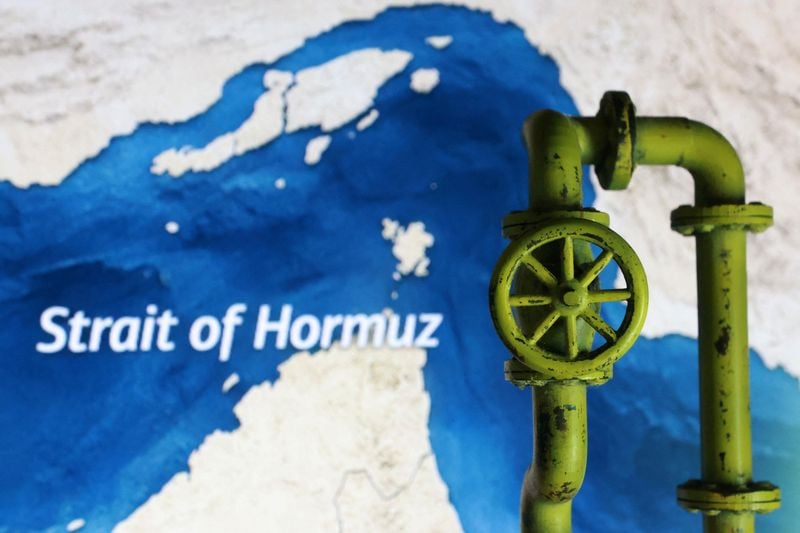
European equity benchmarks opened firmer on 25 August 2026 and defence names caught a bid, while oil prices held steady and drifted marginally higher as traders worked through a fresh US sanctions package against Tehran. Reuters reported oil "steadied" as investors weighed the measures, and an Investing.com wrap at 07:36 UTC logged the session as a "sanctions relief" tape with "defence gains" as a feature of the day.
The directional read matters more than the tape. After six months of an active Iran war, oil markets have stopped flinching at Gulf headlines and have started pricing the conflict as a structural input. The question for the second half of 2026 is whether the next US move is escalation by other means or a glide path to a deal.
Two framings of the same package
The 25 August wire carried two framings of the sanctions news that need to be held side by side. Investing.com's 07:36 UTC wrap ran under the title "European shares climb on Iran sanctions relief, defence gains," framing the package in relief terms, as if the absence of a kinetic escalation was itself the news. Reuters, in a 05:50 UTC dispatch on the same channel, was more cautious: oil "steadied as investors weigh the impact of latest US sanctions on Iran." One source reads the measures as the lighter-than-feared outcome; the other reads them as the operative event.
Monexus assessment: both characterisations can be true at once. The package may be narrower than the worst-case telegraphed, which lets European indices breathe, while still being expansive enough to keep risk premia attached to Iranian-linked flows. The Polymarket X channel posted at 02:03 UTC on 25 August carried a foreign-ministry line declaring Iran "fully prepared" for the measures, and an Investing.com dispatch at 01:00 UTC the same day carried an Iranian vow to retaliate after the US widened sanctions. The market is therefore pricing relief and tension in the same tick, and the defence tape is where the tension trade parks.
The oil tape, six months in
An Investing.com dispatch at 05:06 UTC on 25 August, headlined "Six months into Iran war, almost half of global oil flows from war zones," is the line worth sitting with. The reporting puts roughly half of seaborne global supply in waters now flagged as elevated risk. Reuters carried the same headline on its X account at 05:20 UTC. That structural shift is what has lifted the floor under freight, war-risk premia and barrel-handling costs, even on days when Brent itself barely moves. It is also why a marginal sanctions move reads as bullish in defence names and only mildly bullish in crude: the war is already in the price, and the marginal trader is asking what enforcement intensity looks like in practice.
The Iranian state posture, filtered through the Polymarket channel, is consistent with a regime that has absorbed the headline and is signalling resolve rather than surprise. Reuters' steadier characterisation of the price action, read against the Investing.com "relief" framing in the equities wrap, gives the desk a cleaner view than either source does alone.
Why the defence bid is the cleaner trade
European defence names do not need an escalation thesis to keep rallying. They need an extended one. The Investing.com 07:36 UTC wrap logged "defence gains" as a feature of the session, and the framing does the most work: even a market described in relief terms rewarded the defence tape, suggesting the marginal buyer thinks the sanctions regime stays in place rather than being unwound on a deal.
Monexus analysis: the divergence between a steady-to-firmer crude complex and a bid defence complex is itself the read. Energy traders think the barrel supply story is bounded. Defence and industrial-policy traders do not. That asymmetry is the trade to watch through Q4, and the relief-versus-tightening tension in the wire itself is what sustains it.
The counter-read
The plausible alternative read is that the market is mispricing the probability of a deal. Iranian state messaging has been, across multiple recent episodes, the opening bid in a negotiation rather than a final posture. If the package is meant to bring Tehran to a table within weeks rather than months, then the defence bid is a trade that gets faded on headlines, not chased. Iran's foreign-ministry declaration of readiness, carried via the Polymarket channel, is structurally consistent with that posture: prepared for sanctions because sanctions are the precondition, not the destination.
The balance of evidence in the 25 August wire points the other way. The Investing.com headline that frames the session as "sanctions relief" is itself an argument that the package is lighter than feared, yet defence still rallied, which is the stronger tell. Reuters' framing is steady, not euphoric. The crude move is small. The equity move is selective rather than indiscriminate. None of it looks like a market that has decided escalation is coming; it looks like a market that has decided the regime lasts, and that the absence of escalation is not the same as the end of the squeeze.
Monexus analysis: the thread evidence contains only headlines and short summary text, so the descriptive scope of the package, the specific agencies involved, and the exact commodity moves cannot be stated with more precision than the wire allows. The directional read, defence bid, cautious crude bid, Iranian defiance, and the relief-versus-tightening tension in the framing, is what the cluster supports. The article does not establish which specific Brent and WTI prints defined the session, only that the Investing.com crude headlines at 01:18 UTC and 01:33 UTC on 25 August used the language "steady" and "drift higher," and that Reuters' 05:50 UTC dispatch used the language "steadies."
What to watch in the next 72 hours
Three windows matter. First, any Iranian foreign-ministry or IRGC-linked statement on shipping or nuclear-file activity in the Persian Gulf and the Sea of Oman, the corridors most exposed to any widening enforcement net. Second, European Central Bank governors speaking publicly on energy-price pass-through and the appropriate policy reaction if crude does break meaningfully higher. Third, defence earnings calendars in the second half of the week, where guidance on backlog conversion and 2027 deliveries will either confirm or undercut the structural thesis.
This article relies on a 25 August wire cluster dominated by Investing.com and Reuters, plus one Polymarket-channel summary of Iranian foreign-ministry language. The Iranian state line is cited as counter-claim material, consistent with Monexus sourcing practice, and the "sanctions relief" framing in the Investing.com equities headline is held in tension with the steadier Reuters crude read rather than resolved in either direction.
Wire provenance
This editorial synthesis draws on the following public wire/social posts:
- https://www.investing.com/news/stock-market-news/european-shares-climb-on-iran-sanctions-relief-defence-gains-4874569
- https://www.investing.com/news/commodities-news/six-months-into-iran-war-almost-half-of-global-oil-flows-from-war-zones-4874470
- https://www.investing.com/news/commodities-news/oil-prices-drift-higher-as-markets-digest-fresh-usiran-sanctions-4874385
- https://www.investing.com/news/commodities-news/oil-prices-steady-as-investors-weigh-impact-of-expanded-us-sanctions-against-iran-4874373
- https://www.investing.com/news/commodities-news/iran-vows-to-retaliate-after-us-widens-sanctions-4874350
- https://x.com/Polymarket/status/2092070204956434592
- https://x.com/Reuters/status/2092127391485178360
- https://reut.rs/4zwskip
- https://x.com/Reuters/status/2092119855616930162
- https://reut.rs/4zCceE6
- https://www.investing.com/news/stock-market-news/european-shares-climb-on-iran-sanctions-relief-defence-gains-4874569
- https://www.investing.com/news/commodities-news/six-months-into-iran-war-almost-half-of-global-oil-flows-from-war-zones-4874470
- https://www.investing.com/news/commodities-news/oil-prices-drift-higher-as-markets-digest-fresh-usiran-sanctions-4874385
- https://www.investing.com/news/commodities-news/oil-prices-steady-as-investors-weigh-impact-of-expanded-us-sanctions-against-iran-4874373
- https://www.investing.com/news/commodities-news/iran-vows-to-retaliate-after-us-widens-sanctions-4874350
- https://x.com/Polymarket/status/2092070204956434592
- https://x.com/Reuters/status/2092127391485178360
- https://reut.rs/4zwskip
- https://x.com/Reuters/status/2092119855616930162
- https://reut.rs/4zCceE6