Dolly Parton, the east Tennessee songwriter who built a country-music export machine, dies at 80
Parton died on 25 August 2026 at 80 after a brief battle with cancer confirmed by her publicist, ending a six-decade run that reshaped what country music was allowed to sound like and how a woman from Sevier County could turn it into a global industry.
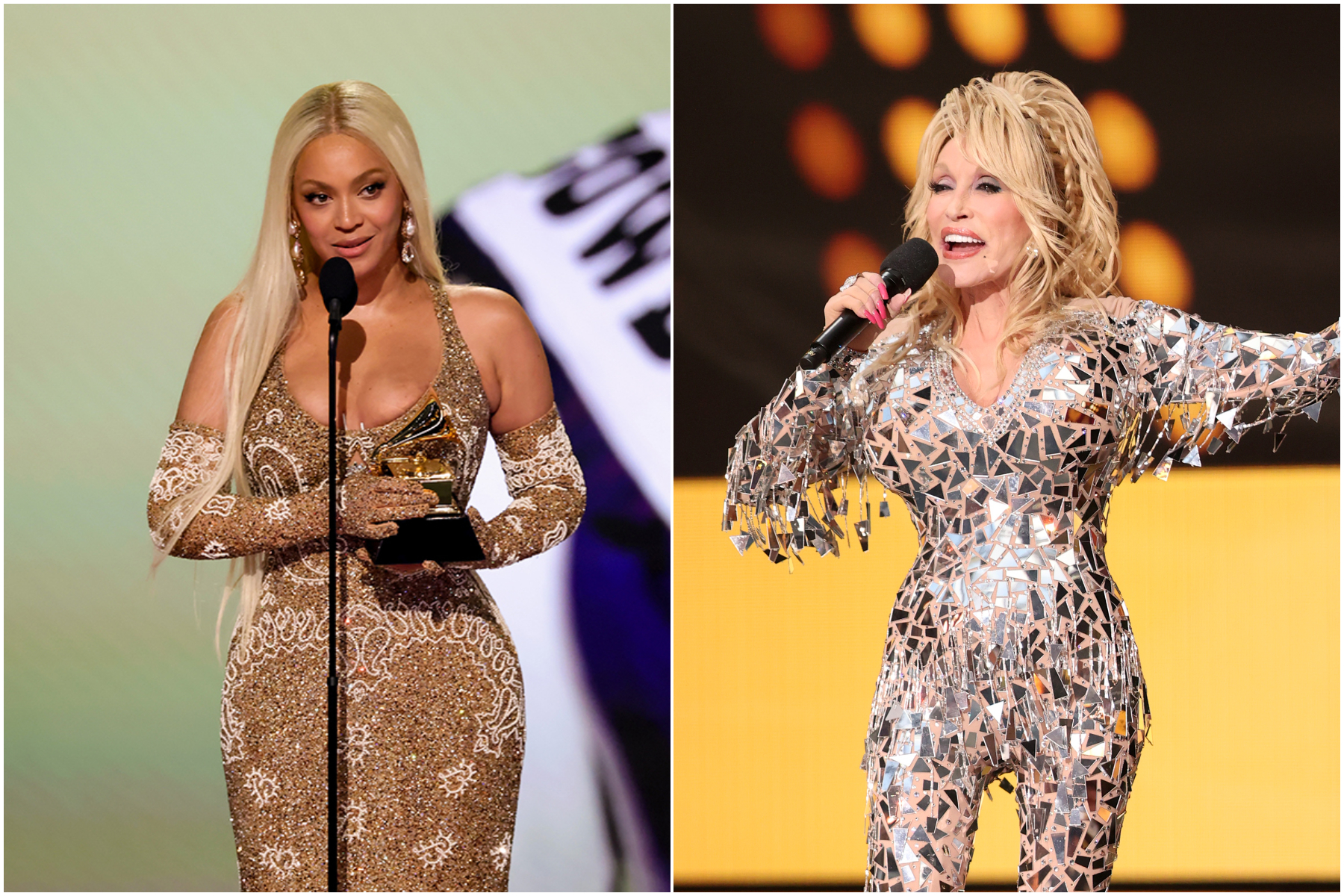
Dolly Parton died on 25 August 2026. She was 80. Her publicist confirmed the death and said a small, private service will be held for immediate family, with a broader memorial to follow at a later date, according to Variety and Pitchfork. Variety and the wider wire of regional outlets reporting on the announcement carried the publicist's confirmation that Parton died after a brief battle with cancer; the Variety obituary also noted that her health issues had become headlines in the fall of 2025, when an announcement on 28 September said she would be unable to follow through with prior plans.
The cause is now on the record. What remains harder to capture, on the day the news breaks, is the scale of what she actually built. Parton's career is the rare one that resists the standard pop-culture obituary template. She did not arrive in Nashville as a discovery; she arrived as a fact, already written into the family business of east Tennessee. By the time the industry finished deciding what to do with her voice, she had decided what to do with the industry instead.
A Sevier County blueprint, exported
Parton's gift was structural before it was stylistic. Variety frames her as a singer-songwriter-actress whose glittering country music stardom was matched by her pop fame and popular parallel careers in film and TV. That understates the mechanism. Monexus analysis: the country catalogue she assembled over decades functioned as portable property, the licensing, the re-records, the cross-genre placements, that turned the original recordings into infrastructure rather than releases. The modern Nashville export model, in which a writer-performer operates as both artist and label, has more fingerprints in this form than in any single peer's.
That instinct ran back into her home region. The Dollywood Company, the Smoky Mountains theme park she anchored, became a fixture of the Sevier County economy, an industrial fact that her death does not erase. The available source items do not detail the company's current revenue or headcount. The structural fact that an artist's catalogue and brand sustained a regional economy for four decades is what matters on the day the news breaks.
The persona that ate the pageant
The other Parton project was the persona: rhinestones, lacquered hair, a brass-and-burlap voice that announced its origins before the first note landed. Pitchfork's notice emphasised the private service and immediate-family arrangement; Variety's emphasised the scale of the catalogue. Neither piece dwells on the question the press spent decades circling: how seriously to take the surface.
Monexus assessment: the surface was the strategy. Country music in the 1960s and 1970s was a closed negotiation between Nashville's song publishers, a handful of radio chains, and an audience coded as rural and white. Parton entered that negotiation with a self-presentation so precisely engineered, the look, the accent, the willingness to play the backward cousin on television, that gatekeepers mistook performance for compliance. She used the cover to write, produce, and own her way out. By the late 1970s she was running her own label and had placed songs across the pop, country, and film markets simultaneously, a triangulation her male peers rarely attempted. The framing that casts her as a folksy holdout against Nashville's industrial machinery is, on the evidence of her actual business record, exactly backward. She was the machinery.
What the obituaries leave out
Both Variety and Pitchfork compress the middle of her career, the 1980s and 1990s, when her chart presence thinned and her cultural footprint shifted into film and television, and the Dollywood build-out. The Variety piece does flag the 2025 health news, the autumn headlines and the 28 September announcement that she would not be able to follow through with prior plans; that detail, dropped into a wider wire, sets the frame for the brief battle with cancer that her publicist confirmed at the time of death. Reporting on her philanthropy, her late-career rock collaborations, and the specifics of her recent health trajectory beyond the September 2025 announcement is not contained in the source items this article draws on. That is a feature, not a hedge. Obituaries filed on the day of a death tend to read like press releases, and Parton's publicist appears to have supplied the necessary fact pattern, cause included, and not much more.
A second reading worth weighing: the consensus framing of Parton as a beloved national innocent is itself a kind of containment. A songwriter who negotiated publishing terms that would make a 1970s Brill Building veteran blink does not fit comfortably inside the "America's sweetheart" slot. The slot exists in part because it made her harder to read as a competitor. The career outlived the frame.
What comes next
The practical questions are inheritance questions, and they will be settled in Sevier County before they are settled anywhere else. The catalogue, the publishing entities, the Dollywood Company, and the surrounding philanthropic structure each have their own governance arrangements; the source items do not specify who now controls them. The available reporting does not name an heir or designate an operator.
What is already clear is that no successor in country music sits where she sat. The artist who can simultaneously write a number-one country single, place a song with a pop vocalist, anchor a regional tourism economy, and host a variety show has not arrived in the format the industry currently produces. The next decade of Nashville will be measured, in part, against the space her absence opens.
This article restricts itself to the reporting contained in the cited sources. The cause of death, a brief battle with cancer, is attributed to her publicist via the wider reporting cited in the source items; the available material does not detail arrangements for the public memorial or specify successor governance.
Wire provenance
This editorial synthesis draws on the following public wire/social posts:
- https://pitchfork.com/story/dolly-parton-dies-at-80/
- https://variety.com/2026/music/news/dolly-parton-dead-dies-country-music-1236842727/
- https://t.me/pitchfork/29378
- https://ift.tt/TSCzh78