Meta's child-safety settlement rewrites the US template for governing teen accounts
Meta agreed on 26 August 2026 to settle with 29 US states over child-safety claims, in a deal that bundles a multi-billion-dollar payment with default-level controls on teen accounts. The wire coverage fixated on the dollar figure; the structure is the more durable story.
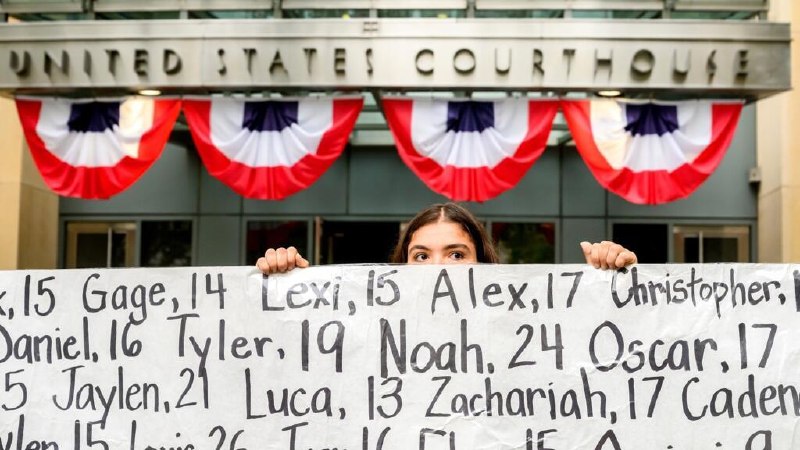
Meta agreed on 26 August 2026 to settle claims brought by 29 US state attorneys general that Facebook and Instagram were designed to keep minors hooked, misled users about safety features, and improperly collected their data. The dollar value reported by the cited sources moves between outlets, with the most widely cited figure at $16.68 billion and TechCrunch placing the package at $18 billion. The product-level obligations inside the deal move less: teenagers will face a default two-hour daily cap on Instagram and Facebook, with the limit disabled only when a parent or guardian approves.
This is a payment bundled with a configuration. The settlement does more than extract money from the country's largest social network. It commits Meta to a product specification the 29 state offices now have a hand in shaping, with the default flipped on teen-facing access controls and parental override standing as the escape hatch. That is the form of regulation the United States has, in the absence of a federal children's online safety statute.
The shape of the deal
The headline figure varies across outlets because the cited sources report the package differently. TechCentral puts the settlement at $16.7 billion; a Polymarket wire at 17:19 UTC frames the same agreement as up to $16.68 billion across 29 states; Hindustan Times carries the same $16.7 billion figure with the 29-state coalition intact. TechCrunch, by contrast, places the settlement at $18 billion. The discrepancy across wire copy is consistent with how large multi-jurisdiction agreements are sometimes grossed up to include related relief or prior commitments, but the available source items do not specify how TechCrunch arrived at the higher number.
The remedy's substance is unambiguous across the cited sources. The settlement bundles a payment with curfew-style access controls for teen accounts, a two-hour daily default limit, and a parental-override mechanism. The product changes ship into Meta's US user base. State attorneys general will retain a compliance role. That role is not specified in detail in the cited posts, but its existence is the structural point: a regulatory architecture now sits inside the consent decree.
What the states actually alleged
According to TechCrunch's 26 August 2026 write-up, the lawsuit alleged that Meta "knowingly designed platforms like Instagram and Facebook to addict children, despite knowing about the harms the platforms could pose to young users." A Polymarket quote circulating the same afternoon characterises the conduct as keeping children "addicted, misled users about safety, and improperly collected" their data. The cited source items do not specify when the complaint was filed or how the 29-state coalition came together; the available thread does not name the individual state offices or their leadership.
Two structural claims sit beneath the allegations. First, that Meta's internal research on adolescent mental-health outcomes outpaced its public position; the company is alleged to have known more than it told parents and policymakers. Second, that the platforms' defaults were the product, not a side effect. Engagement-optimised feeds and notifications are alleged to have been tuned for compulsive use, with safety features either buried, opt-in, or absent for the youngest cohorts.
The counter-reading
Meta has consistently argued that its products are designed for adults and that age-appropriate controls already exist. The company has pointed to Family Center tools, take-a-break prompts, and supervised account modes as evidence that the problem is parental awareness, not platform design.
That case has some merit. Existing controls do exist, and parents underuse them. But the lawsuit's force was never that Meta lacked a safety menu. It was that the menu sat one layer beneath the default, that teen onboarding did not require it, and that Meta's commercial model depended on the time-spent metrics those defaults produced. The settlement concedes, by its design, that defaults matter more than menus. From there, the curfew and the parental-override hook are the corrective.
There is also a second, quieter counter-reading. Monexus assessment: the most natural read of the deal, given its architecture, is that state attorneys general are now in the product loop. Meta has traded a one-time fine for an ongoing seat at the table for state regulators, who will have visibility into the company's teen-facing defaults going forward. That is a different deal from a fine and a quieter form of regulation than a federal statute would have produced.
What this changes downstream
The immediate downstream effect is on Meta's competitors. Snap, TikTok and YouTube face the same state-level plaintiff bar with a template now in hand, and the plaintiffs' theory of harm generalises across platforms. Whether each of those companies will face analogous filings is not specified in the cited source items; the available thread does not establish that litigation against them is imminent, only that the architecture exists to be reused.
The question of extraterritorial reach is live. The settlement covers US users. Whether the curfew, the two-hour cap, and the parental-override mechanism ship into Meta's products in Europe, the UK, India or Africa is not specified in the cited filings. The EU's Digital Services Act already requires age-appropriate design; the UK's Age Appropriate Design Code pushes further. A Meta product team that has already built the controls for one jurisdiction is unlikely to maintain a separate code path for others. The technical default will probably globalise even if the legal regime does not, though the available source items do not address this question directly.
Inside Meta, the deal removes one bloc of state-level exposure but does not, on the evidence available, end the broader litigation environment. Federal lawsuits, school-district claims, and personal-injury suits are not addressed in the cited posts, and the source items do not specify how this settlement interacts with parallel tracks. The structural point is what the cited sources support: a state-coalition settlement of this size removes a specific bloc of risk and replaces it with a compliance regime the company will run for the foreseeable future.
The wider pattern
Read in plain terms, this is what platform governance looks like when Congress will not act. State attorneys general, organised in coalition, have negotiated a product specification with the country's largest social network and funded it by extracting a multi-billion-dollar payment. The pattern generalises. Privacy settlements with similar state coalitions have produced similar architecture. Antitrust cases against other platforms have produced similar architecture. When federal legislation stalls, state-level litigation does the legislating through consent decree.
The financial scale of the settlement is the headline. The structural story is the operating layer underneath it. Meta is now running teen accounts under a configuration negotiated by 29 state offices, with parental override as the escape hatch and a two-hour daily limit as the default state. The wire coverage focused on the dollar figure and the political moment; the settlement itself is closer to a regulatory regime than a fine.
The nuance worth flagging: the cited sources do not agree on the dollar value, and the available source items do not specify the precise configuration of the parental-override mechanism, the list of state signatories, the filing date of the original complaint, or whether the controls reach markets outside the US. Those details will be settled in the consent decree's implementing paperwork, and they will shape how durable the change actually is.
Desk note: the wire coverage focused on the dollar figure and the political moment; this article foregrounds the settlement as a product-level regulatory architecture and reads the state-coalition model as the operative form of US platform governance in the absence of federal legislation. Independent outlets reporting on the broader settlement have at times cited a larger state coalition and a higher headline figure than the four sources cited here, and this article has stayed strictly within the evidence available in the supplied thread.
Wire provenance
This editorial synthesis draws on the following public wire/social posts:
- https://techcentral.co.za/facebook-and-instagram-are-getting-nighttime-curfews-for-children/285397/
- https://techcrunch.com/2026/08/26/meta-settles-for-18-billion-in-lawsuit-brought-by-29-states-over-social-media-harms-to-children/
- https://x.com/Polymarket/status/2092606015644528757
- https://x.com/Polymarket/status/2092663224210444384
- https://x.com/Pirat_Nation/status/2092643240168026287
- https://t.me/hindustantimes/39980
- https://www.hindustantimes.com/business/meta-reaches-16-7-billion-settlement-with-29-us-states-over-child-safety-case-101787753877782.html
- https://techcentral.co.za/facebook-and-instagram-are-getting-nighttime-curfews-for-children/285397/
- https://techcrunch.com/2026/08/26/meta-settles-for-18-billion-in-lawsuit-brought-by-29-states-over-social-media-harms-to-children/
- https://x.com/Polymarket/status/2092606015644528757
- https://x.com/Polymarket/status/2092663224210444384
- https://x.com/Pirat_Nation/status/2092643240168026287
- https://t.me/hindustantimes/39980
- https://www.hindustantimes.com/business/meta-reaches-16-7-billion-settlement-with-29-us-states-over-child-safety-case-101787753877782.html