Meta's $16.68bn settlement makes platform design a legal liability
Meta's agreement to pay up to $16.68bn and change youth-facing features shifts the debate from what platforms said about safety to how their products were built.
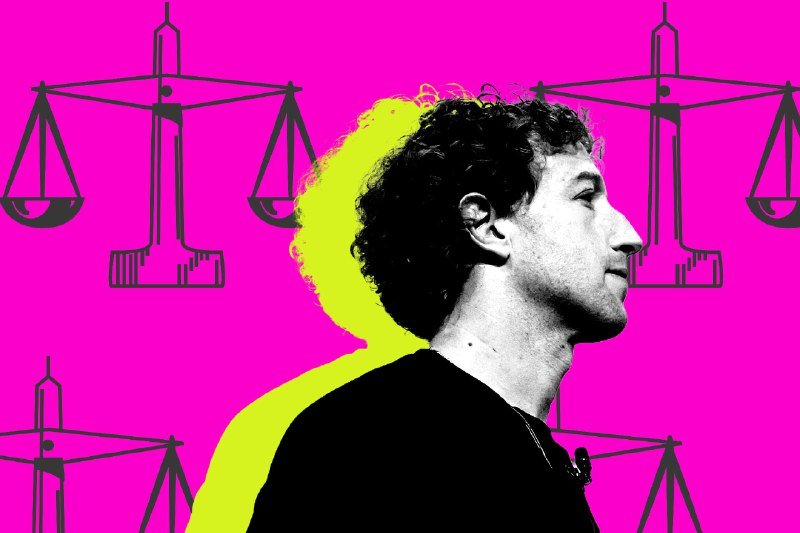
On 26 August 2026, a coalition of US state attorneys general announced they had agreed with Meta on a settlement that could cost the company as much as $16.68bn, alongside changes to its youth-facing products. The deal was disclosed while a California federal court trial over the claims was under way. CNBC's reporting framed the matter as a settlement of a "federal social media addiction trial" brought by a coalition led by the California attorney general, focused on allegations that Meta had misrepresented the extent of child-related mental-health harms linked to its platforms. The immediate legal question is narrow: can a settlement resolve claims about design, disclosure and accountability? The larger one is not. Meta's business depends on keeping people engaged, but state governments are now testing whether that engagement can be treated as a public-safety risk when minors are involved.
The settlement matters less because it ends a lawsuit than because it couples money with operational concessions. NPR said the agreement would bring sweeping changes to Instagram and Facebook. Deutsche Welle described those concessions as platform-usage limitations for young users. The result is an early attempt to make product architecture answerable to state regulators, rather than leaving the issue to voluntary safety policies or the company's own risk assessments. The legal theory is shifting from a demand for better disclosures into a claim that companies can be held responsible for the consequences of product choices made at scale.
The price, and the patched reports
The headline figure has produced three different settlements, at least in the truncated reports assembled around the case. BBC and MarketWatch put the potential payment at up to $16.68bn. Reuters, via its social account, also reported the $16.68bn figure. NPR described a $17bn agreement. An Investing.com company-news item, by contrast, referred to an $18bn settlement with 52 state attorneys general, while a separate Investing.com ticker carried the $16.68bn figure. The number of states is similarly inconsistent: BBC and the Disclose.tv relay describe claims brought by 29 states; the Investing.com item refers to 52 state attorneys general.
Those discrepancies may reflect different descriptions of the same agreement, or different scopes (federal trial coalition versus a broader state action), but the available source items do not provide enough detail to reconcile them. The safer conclusion is that the reported amount is not a single, fully settled accounting figure. The parties' agreement can carry a headline valuation while the actual payment depends on terms not specified in the supplied reports. The disagreement should remain visible: a multibillion-dollar settlement looks decisive only if its scope is clear, and the headline amount, the number of states and the precise platform changes are not consistently described across the wires.
That uncertainty does not make the case trivial. The scale of the stated figure changes the political meaning of the dispute. A platform can absorb a fine and continue its existing strategy; a payment measured in billions, tied to a trial over alleged misrepresentations, can shape the next regulatory negotiation. MarketWatch reported that Meta's shares rose on the news, suggesting investors read the settlement as a cap on litigation exposure rather than the start of a longer bill.
A voluntary fix becomes a regulatory boundary
Meta has not won a declaration that every design choice is lawful. It has accepted a settlement while a federal trial was proceeding, and the available reports do not specify whether the agreement contains an admission of liability. It would be wrong to turn the allegations into a judicial finding. Nor does the agreement establish that social media caused a particular category of harm in every case; the states alleged that Meta had misrepresented the extent of child-related mental-health harms, and a settlement can reduce uncertainty without supplying a general answer to the underlying scientific question.
The practical concession is clearer than the causal finding. NPR reported sweeping changes to Instagram and Facebook. Deutsche Welle reported platform-use limitations for young users. Those measures move the dispute into product management: how accounts are configured, how young users are identified, what defaults are used and which forms of use are restricted. The settlement may not resolve whether a social product is inherently harmful, but it can make specific defaults and disclosures part of a supervised legal obligation.
That is the more durable precedent. A court can order a company to pay damages, but regulators are more likely to value changes that can be inspected. If the new limits are specific, measurable and enforceable, they give officials something more useful than a promise to "prioritise safety". If they are broad, the settlement may amount to a costly public-relations exercise that leaves the engagement system intact.
From content moderation to product governance
The case belongs to a wider change in how technology companies are judged. The first generation of platform disputes focused on what users posted: illegal material, disinformation, harassment and extremist content. The newer dispute asks what the platform itself does. Defaults, notifications, recommendation systems and the incentives created by a product can affect users before any particular item of content is reviewed.
The shift matters because product design is not a single switch. A change aimed at limiting young users' time can alter engagement, advertising inventory and the information available to advertisers. A change in defaults can affect the volume and type of content shown. The source items identify platform-use limits and broader changes, but they do not specify which technical features will change or how Meta will measure compliance. The settlement may therefore be implemented as a governance regime rather than a single software patch.
There is also a competitive question. If Meta alone is required to alter youth-facing products, rivals may face pressure to adopt similar controls. If rules remain company-specific, the burden could create a market advantage for platforms with fewer young users or less advertising dependence. If rules become a common requirement, the competitive effect is more likely to turn on execution and enforcement rather than on who escaped the first lawsuit. The available source items do not specify any action by Google, TikTok, X or other social-media companies, so the immediate precedent is nevertheless narrower than a sector-wide settlement: it tells platform operators that safety representations can be tested against product behaviour, especially where regulators allege that the company knew more than its public statements acknowledged.
Monexus assessment: the most important change is not the dollar figure. It is the emergence of a legal process in which the design of a platform, and the company's account of that design, can be evaluated together.
What the states have gained, and what remains uncertain
The agreement gives state attorneys general a visible victory in a trial over allegations involving child safety. According to the supplied reports, the case was brought by a coalition of states and proceeded in California federal court. The available descriptions differ on the number of states, with references to 29 and 52 state attorneys general. The source material does not explain whether the difference concerns signatories of the federal settlement, the total jurisdictions covered by related actions or a separate figure included in a particular report.
What is not in dispute is the direction of travel. A coalition of state officials pursued claims that Meta had misled the public about harms to children, and the company agreed to a financial settlement and platform changes while the case was in court. The agreement does not prove every allegation. It does show that regulators believe a company's safety representations can be put at the centre of a damages dispute.
For parents, the next question is whether the changes alter the experience of young users rather than merely the language in a corporate safety centre. For Meta, the next question is whether the limits can be deployed without undermining the advertising model that the stock move on 26 August suggests investors believe has been preserved. For other platforms, the strategic question is whether they will wait for similar cases or begin documenting design decisions and safety claims more rigorously. The date that matters now is not 26 August alone. It is the first compliance report, technical disclosure or enforcement action that shows whether the promised changes are real. Until then, the settlement is best read as a boundary marker: platform governance has acquired a financial and legal cost, and the burden of proof is moving toward the companies that designed the systems.
This article cites only the source items provided to the desk; the discrepancies in dollar amount and number of states reflect those reports and are not independently reconciled here.
Wire provenance
This editorial synthesis draws on the following public wire/social posts:
- https://www.bbc.co.uk/news/articles/cd68q3wynnqo?at_medium=RSS&at_campaign=rss
- https://www.cnbc.com/2026/08/26/meta-social-media-trial-settlement.html
- https://www.npr.org/2026/08/26/nx-s1-5944781/meta-settlement-child-safety-lawsuit
- https://www.marketwatch.com/story/metas-stock-rises-as-the-company-settles-in-social-media-addiction-trial-78abdfbf?mod=mw_rss_topstories
- https://www.dw.com/en/meta-agrees-to-financial-settlement-and-platform-changes-in-teen-user-addiction-court-case-in-us/a-78512157?maca=en-rss-en-all-1573-rdf
- https://reut.rs/4cbpaGU
- https://x.com/Reuters/status/2092610592896946467
- https://www.investing.com/news/company-news/meta-reaches-18-billion-settlement-with-52-state-attorneys-general-93CH-4877397
- https://www.investing.com/news/stock-market-news/meta-reaches-1668-billion-settlement-over-social-media-case-4877423
- https://t.me/osintlive/566939
- https://x.com/disclosetv/status/2092605409139790217
- https://www.bbc.co.uk/news/articles/cd68q3wynnqo?at_medium=RSS&at_campaign=rss
- https://www.cnbc.com/2026/08/26/meta-social-media-trial-settlement.html
- https://www.npr.org/2026/08/26/nx-s1-5944781/meta-settlement-child-safety-lawsuit
- https://www.marketwatch.com/story/metas-stock-rises-as-the-company-settles-in-social-media-addiction-trial-78abdfbf?mod=mw_rss_topstories
- https://www.dw.com/en/meta-agrees-to-financial-settlement-and-platform-changes-in-teen-user-addiction-court-case-in-us/a-78512157?maca=en-rss-en-all-1573-rdf
- https://reut.rs/4cbpaGU
- https://x.com/Reuters/status/2092610592896946467
- https://www.investing.com/news/company-news/meta-reaches-18-billion-settlement-with-52-state-attorneys-general-93CH-4877397
- https://www.investing.com/news/stock-market-news/meta-reaches-1668-billion-settlement-over-social-media-case-4877423
- https://t.me/osintlive/566939
- https://x.com/disclosetv/status/2092605409139790217