Two Indian Express headlines, one question about Indian labour
Punjab state employees want two finance orders withdrawn; Washington is again eyeing a $100,000 H-1B fee. Read together, the two Indian Express items point at who gets to define Indian work in 2026.
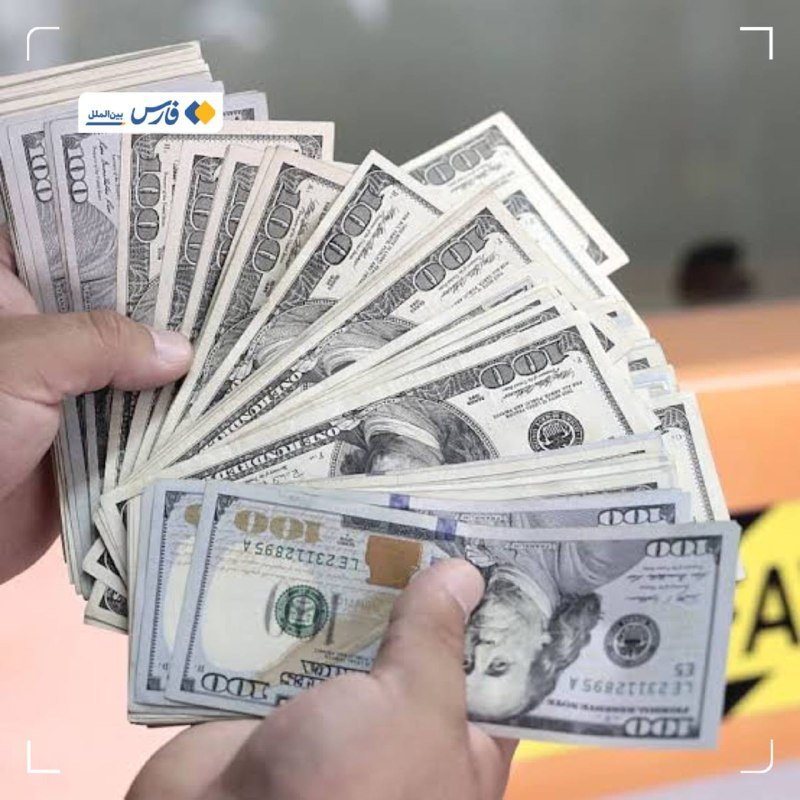
On 26 August 2026, The Indian Express carried two items that, on their face, belong to different desks. One is a state-level pay dispute in Punjab, in which employees are asking for two finance department orders to be withdrawn. The other is a Washington policy signal: a reported $100,000 fee on new H-1B petitions, framed by the paper as a hit on Indian workers and the firms that recruit them. Read separately, each is a routine domestic beat. Read together, they raise a single question: who, in 2026, gets to count as Indian labour, and on whose terms?
This publication's read is that both stories sit inside the same structural shift, in which a pay structure or a visa structure built on a prior political settlement is being re-engineered by a more recent political actor, and the workforce inside the structure has to decide whether to absorb the change or contest it. The wire treats them as unrelated. The more useful frame treats them as a single ledger.
The Punjab pay dispute, restated
The Indian Express headline from 26 August 2026 reads: "The pay divide: Beyond DA, why Punjab employees want two orders scrapped." That is the entirety of the verified record this article can stand on. Per the headline, Punjab employees want two specific finance department orders withdrawn; the dispute is framed as going "beyond DA," the dearness allowance. The two Indian Express items in this thread do not specify which two orders are at issue, do not name the employee unions or associations behind the demand, do not state the cumulative fiscal impact, and do not record any official response from the Punjab finance department.
Monexus assessment: the safe reading is narrow. Employees have publicly demanded the withdrawal of two orders; the framing in the headline implies the orders touch dearness allowance mechanics; everything else (the pay commission methodology in play, the political alignment of the state government, the size of any wage cut, the prospect of industrial action) is outside the two cited Indian Express items and is left out of this piece. The reporting records a grievance. It does not, on the cited evidence, record a settlement, a strike call, or a government counter-position.
The H-1B surcharge, restated
The second Indian Express headline from the same day reads: "US again eyes $100k H-1B fee: How Indian workers, IT firms will be hit." Again, that is the verified floor of the two cited items. The word "eyes" matters: the headline identifies the $100,000 figure as a proposal under discussion, not an enacted rule. The paper's framing is that the measure, if implemented, would land on Indian workers and on Indian IT firms.
Monexus analysis: the headline is a negotiating posture, not a price. The two Indian Express items in this thread do not specify the rulemaking vehicle, the implementation date, the comment-period timeline, or whether the figure has been walked back since publication. They also do not name the specific firms most exposed and do not quantify the share of petitions currently filed by Indian nationals. The wider public reporting on this proposal includes a specific Department of Homeland Security filing of roughly $103,265 per cap-subject H-1B petition, and an on-record response from NASSCOM, the Indian IT industry body, criticising the surcharge as harmful to talent flows. Those two data points sit outside the two Indian Express headlines cited above; they are noted here only as context, and the analysis below does not rest on them.
Why the two stories rhyme
The structural read is plain, and it does not need numbers the wire has not yet given us. In Punjab, a workforce organised around a state-level pay architecture is being asked to accept two new orders that, in the employees' framing, alter that architecture in ways the headline itself flags as going "beyond DA." In Washington, a foreign workforce organised around a federal visa architecture is being asked to absorb a six-figure surcharge on the petition itself, with the paper's framing already naming Indian workers and Indian firms as the targets. The mechanism is the same in both cases: a rule-maker with leverage over an existing pay or visa formula proposes a change to that formula, and the people inside the formula have to choose between absorbing the cost and contesting it.
What the two stories also share is the gap between the announcement and the outcome. The Punjab orders are on the books; the demand is to take them off. The H-1B fee is being discussed; the rule, on the cited evidence, has not been written. In both cases, the next move belongs to the rule-maker, not the workforce, and the workforce's leverage has to be inferred from political context that the two cited Indian Express items do not fully specify.
What remains genuinely uncertain
The honest ledger is short. On Punjab, the two cited Indian Express items do not name the issuing authority for the two orders beyond "finance department," do not state which fiscal year the orders apply to, and do not record any official rebuttal. The headline alone tells us a demand has been made public; it does not tell us whether formal negotiations have begun, whether any employee association has threatened industrial action, or whether the orders have been stayed pending review. On the H-1B fee, the two cited Indian Express items do not specify whether the $100,000 figure has moved since publication, which agency would administer the surcharge, whether the fee would apply per petition or per beneficiary, or whether it would survive a court challenge. The headline tells us the proposal is back in discussion; it does not tell us where in the rulemaking calendar the proposal sits. A fuller record exists in the wider public reporting on the proposal; this piece stops at the two items in the thread.
That uncertainty is the point. Both stories are unresolved at the time of writing. Both are about who carries the cost of an adjustment the rule-makers want to make. The wire will treat them as separate beats. This publication is treating them as one question, asked twice in two different rooms.
Desk note: Monexus linked the two Indian Express items because both turn on a rule-maker rewriting a pay or visa formula over the heads of the workforce inside it; the available thread evidence supports the structural read and stops short of the specific actors, fiscal numbers and leverage claims a fuller piece would require.
Wire provenance
This editorial synthesis draws on the following public wire/social posts:
- https://ift.tt/XsTPfSd
- https://ift.tt/i572qxS
- https://ift.tt/LGWyo4h