Brewers, Dodgers, Rays and Orioles reset the MLB farm-system board: an ESPN midseason rerank, read against the deadline clock
ESPN's 27 August 2026 rerank puts Milwaukee at the top of the prospect board, with the Dodgers, Orioles and Rays clustered behind. What the reshuffle actually says about who can afford to sell at the deadline.
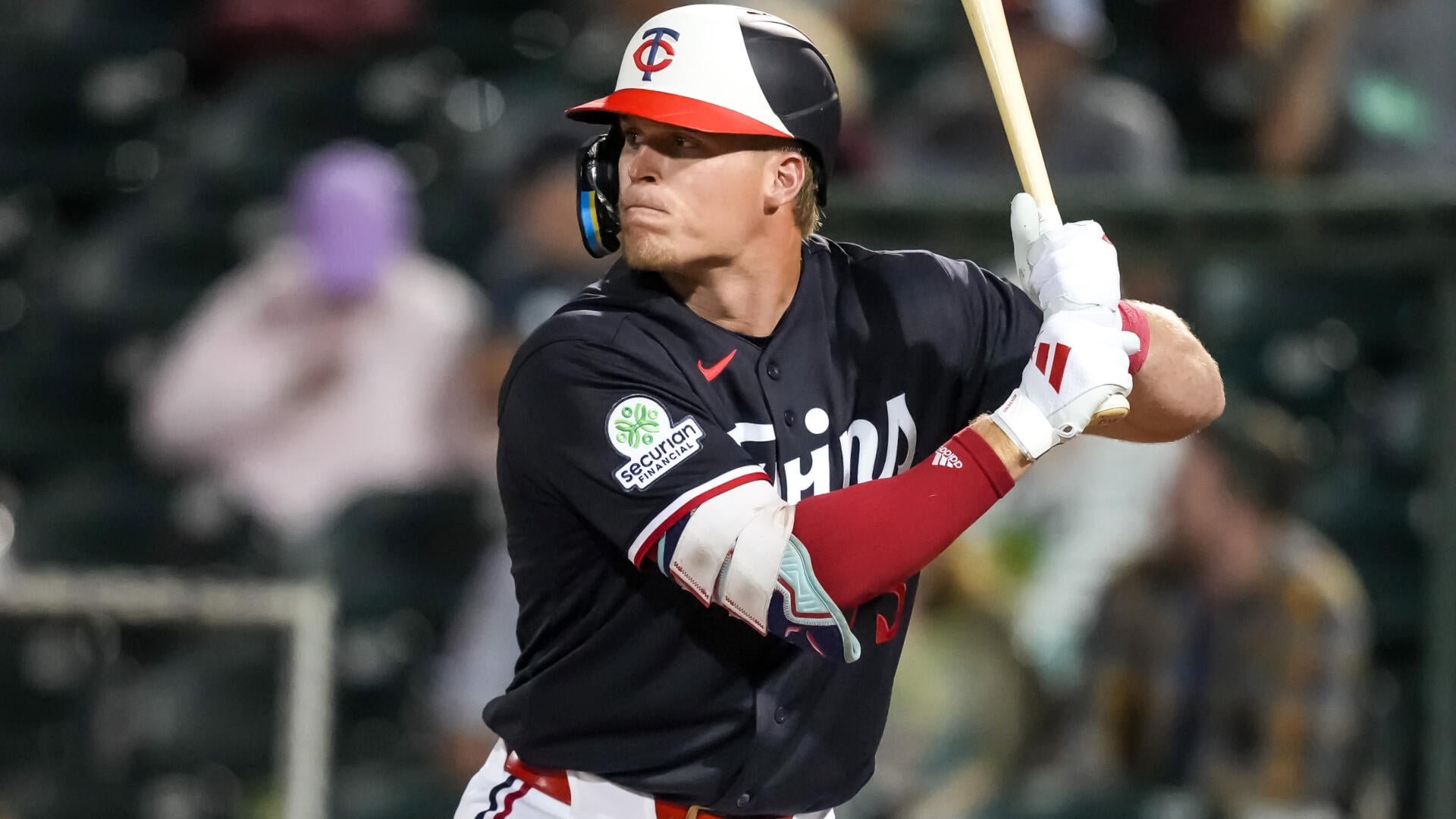
The busiest stretch of the MLB calendar for adding prospects has closed, and on 27 August 2026 ESPN reranked every organisation from 1 to 30 against the residue of the trade deadline. The headline of the rerank is that the Milwaukee Brewers now sit atop the board, with the Los Angeles Dodgers, Baltimore Orioles and Tampa Bay Rays clustered tightly behind them. That ordering, more than any single prospect name, is the news.
Read against the deadline clock, a farm-system ranking is not a scouting exercise. It is a balance-sheet snapshot that determines who can afford to sell, who has to buy, and which front offices go into the offseason holding chips instead of cash. ESPN's board, published at 12:40 UTC on 27 August, lands at the moment when contenders and re-builders have stopped trading and started living with the consequences.
A farm ranking is also a payroll statement
The four clubs ESPN placed at the head of the table share a trait that has nothing to do with scouting departments: each has worked the trade market from the sell side at least once in recent cycles, and each has converted major-league veterans into lower-level talent. The rerank is therefore not just a measurement of prospect quality. It is a public ledger of how cheaply a club was able to acquire young players relative to the major-league production it gave up.
Milwaukee's placement at number one, per ESPN's framing, reflects the cumulative effect of multiple moves the front office made before the 2026 deadline window closed. The Dodgers' presence near the top is the more interesting case: Los Angeles is a perennial spender with a farm system that, on paper, should not be able to keep pace with its major-league payroll. That it sits among the league's deepest pools of young talent is evidence that the organisation is willing to absorb prospect capital in win-now deals and still restock through the international and amateur markets faster than peers expect.
The Brewers, Orioles and Rays, by contrast, are organisations that have to develop because they cannot outbid the league. Their placement at the top of the board is therefore a competitive moat in its own right: when the cost of a veteran rental is two or three upper-level prospects, the clubs with the deepest systems are the ones that can absorb the trade without compromising the next three seasons.
The deadline clock is what makes the ranking legible
ESPN explicitly framed the rerank as a post-deadline document, written after the busiest stretch of the year for adding prospects. That sequencing matters. The publication window between the trade deadline and the expansion of rosters in September is when front offices decide which prospects to promote, which to shield, and which to use as the opening bid on the next round of winter trades.
A ranking issued in this window is therefore not a static evaluation. It is a forecast of who has chips to play with in the next transactional cycle. The clubs ESPN has placed at the bottom of the board are not necessarily bad at developing players; they are clubs whose systems have already been spent, or whose recent graduations to the major-league roster have left the lower levels thin. For those organisations, the next eighteen months look like a quiet period of drafting and patience rather than aggressive trading.
For the clubs at the top, the ranking is closer to a permission slip. Milwaukee, Los Angeles, Baltimore and Tampa Bay can each afford to be opportunistic buyers in the next window without surrendering the depth that distinguishes them from the rest of the league. That optionality is itself a competitive advantage, and it is the reason ESPN's ordering, rather than the names inside it, is the article worth reading.
What the rerank does not tell you
A midseason farm ranking has two built-in blind spots that deserve flagging. The first is the international market: prospects signed out of Latin America, Asia and the European amateur circuits often do not surface in public rankings until they have been in an organisation's system long enough to play in domestic leagues, which means the deepest clubs on the board may not be as deep as they look, and some clubs lower down may be quietly richer than they appear. ESPN's methodology, as published, cannot fully account for that lag.
The second blind spot is the injury and holdover category: players who have stalled at a level, lost a year to surgery, or who are being converted from one position to another can be revalued sharply upward or downward in a single offseason. A ranking is a snapshot of present value, not a forecast of major-league contribution, and the clubs that do best with their systems are usually the ones that buy low on stalled prospects at exactly the moment a public board is downgrading them.
The stakes for the clubs at the bottom
For the organisations ESPN has placed at the back of the board, the rerank reads less like a scouting document and more like an early warning. The clubs that have graduated their best prospects to the major-league roster and have not restocked will find themselves, by the 2027 trade deadline, in the position of having to choose between selling at low cost and buying with thin upper-level talent. Neither option is fatal, but both compress the window in which a competitive core can be built around the current major-league group.
The clubs at the top, by contrast, are buying themselves time. A deep system means a front office can absorb a free-agent departure, an arbitration loss, or a sudden collapse in performance at the major-league level without falling into a multi-year rebuild. That is the structural advantage ESPN's rerank is actually measuring, even if the article presents it as a list of names.
The 27 August 2026 rerank, in other words, is most useful as a map of which front offices will be shopping in the next eighteen months, and which will be selling. The prospect names inside it are the cover story; the optionality they confer is the real news.
Desk note: ESPN's farm-system rerank is the cleanest post-deadline snapshot of who has prospect capital and who has spent it. Wire coverage elsewhere on 27 August ranged from Syria (the reported dissolution of the SDF, per Telegram relay channels) to the wind-down of the Airbus A380 program (Reuters). Monexus framed the MLB piece around the balance-sheet implications of the ranking rather than the scouting notes, on the view that a farm list is more usefully read as a trade-market forecast than a prospect evaluation.
Wire provenance
This editorial synthesis draws on the following public wire/social posts:
- https://www.espn.com/mlb/story/_/id/49734496/2026-mlb-prospect-rankings-update-farm-systems-30-teams-brewers-dodgers-orioles-rays
- https://t.me/ClashReport/93886
- https://reut.rs/4d6DbGa
- https://x.com/Reuters/status/2093005181726175240