Oil has stopped pricing a quick Iran war. Markets are settling into stalemate.
Brent is heading for a weekly loss even as six months of war with Iran have put nearly half the world's seaborne crude on contested routes. The market is no longer pricing an endgame.
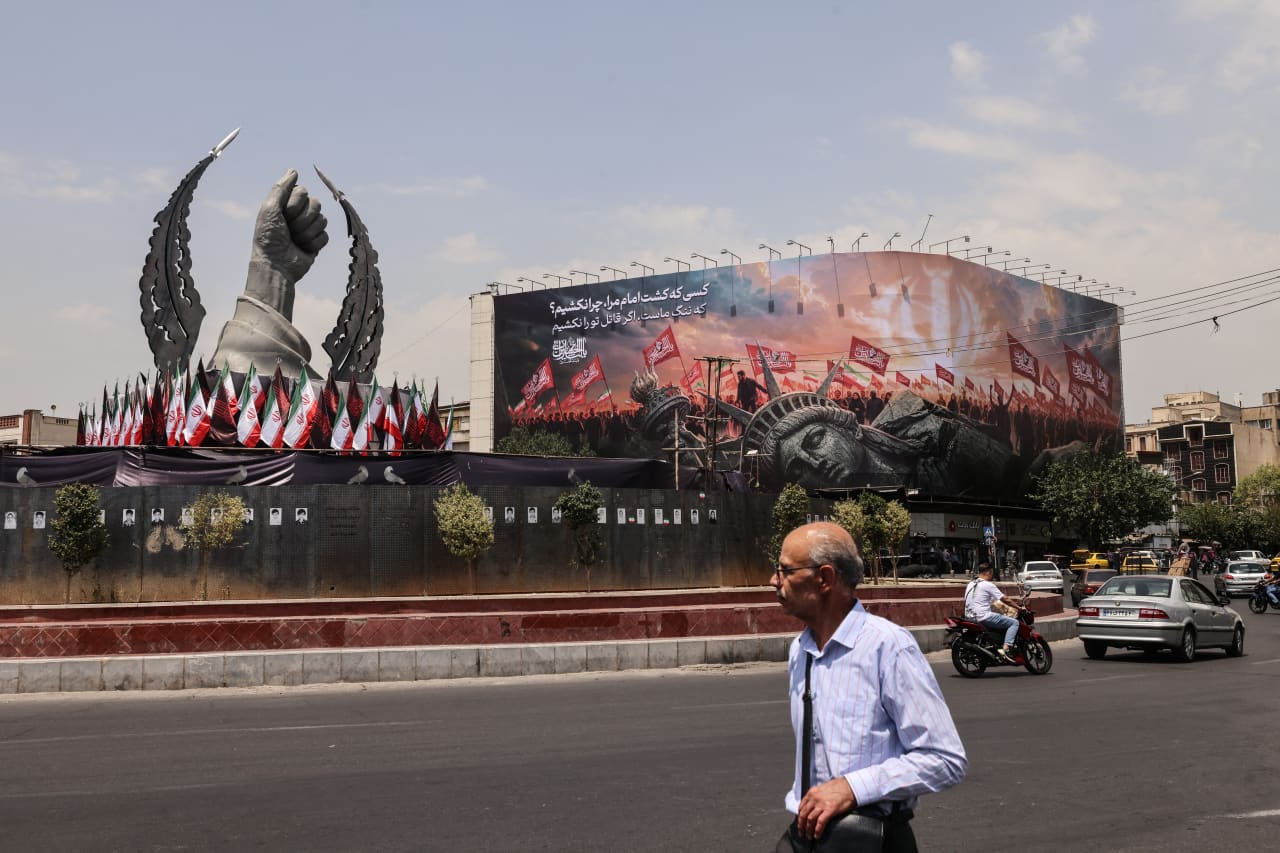
Six months into the war with Iran, the price of oil is doing something that would have looked bizarre on day one: heading lower. Brent crude was on track for a weekly loss on 28 August 2026 even as Iranian-aligned disruptions kept roughly half of the world's seaborne crude moving through contested waters, according to a tally published by Investing.com the same morning [https://www.investing.com/news/commodities-news/six-months-into-iran-war-almost-half-of-global-oil-flows-from-war-zones-4880620]. The market is not misreading the war. It is finally reading it accurately.
The Trump administration entered the conflict estimating a four-to-six week campaign to degrade Iranian nuclear infrastructure, missile forces, and proxy networks. Six months on, that timeline is a memory. CNBC's morning analysis on 28 August framed the war as a "stalemate with no end in sight," a candid admission from a US-allied outlet that the original war plan no longer describes the war being fought [https://www.cnbc.com/2026/08/28/us-iran-war-six-months-trump.html]. What traders are doing, in plain terms, is pricing the absence of an endgame.
The price has caught up to the politics
When the war opened, oil futures priced tail risk: a closure of the Strait of Hormuz, a refinery strike, an Iranian counter-blockade. Over the following weeks, that premium compressed. By late August, the dominant move on screen is downward. A separate Investing.com dispatch hours earlier noted oil on track for a weekly decline despite simmering Iran tensions [https://www.investing.com/news/commodities-news/oil-on-track-for-weekly-loss-even-as-iran-tensions-simmer-4880409]. That combination, war headlines plus a down week on the curve, tells the story of a market that has absorbed the conflict into its baseline.
The shift is not a verdict on who is winning. It is a verdict on duration. Once a shock is durable rather than acute, the hedge premium erodes, inventories re-route, and refiners optimise around the new geometry of supply. The headline risk is still there. The directional risk has been arbitraged away.
The shipping map is the actual story
The war has not closed the straits. It has rerouted them. Nearly half of global seaborne oil now transits corridors that Western and Gulf insurers classify as war-zone waters, the Investing.com data shows [https://www.investing.com/news/commodities-news/six-months-into-iran-war-almost-half-of-global-oil-flows-from-war-zones-4880620]. That figure, more than any single missile strike or sanctions tranche, defines the structural cost of the conflict so far. War-risk premia are a permanent surcharge on every barrel. Refiners in Asia, the largest customers of Middle Eastern crude, are paying it.
This is the part of the war that does not show up in headline counts. A drone intercepted over the Gulf of Oman registers as a near-miss. The insurance pricing that follows it registers as a slowly compounding tax on global manufacturing.
Monexus analysis: a stalemate is the most expensive kind of war
A stalemated war is more expensive, in market terms, than a decisive one. A short war produces a single shock, a single repricing, and a recovery curve. A long war produces a permanent risk premium, a permanent logistics tax, and a permanent rerouting of capital. The conflict's middle-power customers, India, China, Japan, South Korea, pay this tax every quarter. The Gulf producers absorb it through discounted long-term contracts. The United States absorbs it through defence outlays and the diplomatic cost of an open-ended commitment the original planners did not budget for.
The administration's stated objectives, denuclearisation, degraded proxy missile capacity, a new regional security architecture, are still officially in play. None are visibly closer. The CNBC framing makes the implicit point explicit: a war that exceeded its planning horizon by an order of magnitude is no longer a campaign; it is a posture [https://www.cnbc.com/2026/08/28/us-iran-war-six-months-trump.html]. Postures persist. They do not conclude.
What a downgrade in expectations actually looks like
Three signals to watch in the coming weeks. First, the curve: if front-month Brent keeps sliding while deferred contracts hold, the market is saying this war is going to outlast a US electoral cycle. Second, the shipping data: if the share of crude transiting war-zone waters rises above the roughly half threshold reported on 28 August, the structural cost of the conflict is accelerating, not stabilising [https://www.investing.com/news/commodities-news/six-months-into-iran-war-almost-half-of-global-oil-flows-from-war-zones-4880620]. Third, official language: the distance between public statements about the war's timeline and the diplomatic calendar will close or widen. As of late August, that distance is the widest it has been since the conflict began.
A separate domestic signal landed the same morning, away from the oil complex. A Nation Africa wire reported the Trump administration cracking down on international student work visas, a parallel tightening of the immigration perimeter that affects the talent pipelines feeding US energy, defence, and semiconductor sectors [https://nation.africa/kenya/news/world/trump-cracks-down-on-international-student-work-visas-5574024]. Read alongside the war's open-ended posture, the pattern is consistent: a foreign-policy establishment that priced a short war is now managing a long one.
The honest framing, six months in, is not that oil is ignoring the war. It is that oil has finished pricing the war's surprises. What is left is the cost of the war itself, paid in basis points on every cargo and in basis points on every Treasury coupon. Markets have moved on. The politics, conspicuously, have not.
Desk note: Monexus framed the late-August oil tape as a duration call on the conflict rather than a verdict on any single actor. Where wire coverage emphasised tactical escalation, this publication read the curve as evidence that the war's structural cost has been absorbed into the baseline price of energy, with downstream effects on Asian importers and Gulf producers that the headline cycle under-covers.
Wire provenance
This editorial synthesis draws on the following public wire/social posts:
- https://www.investing.com/news/commodities-news/six-months-into-iran-war-almost-half-of-global-oil-flows-from-war-zones-4880620
- https://www.cnbc.com/2026/08/28/us-iran-war-six-months-trump.html
- https://www.investing.com/news/commodities-news/oil-on-track-for-weekly-loss-even-as-iran-tensions-simmer-4880409
- https://nation.africa/kenya/news/world/trump-cracks-down-on-international-student-work-visas-5574024
- https://t.me/DailyNation/143943
- https://www.investing.com/news/commodities-news/six-months-into-iran-war-almost-half-of-global-oil-flows-from-war-zones-4880620
- https://www.cnbc.com/2026/08/28/us-iran-war-six-months-trump.html
- https://www.investing.com/news/commodities-news/oil-on-track-for-weekly-loss-even-as-iran-tensions-simmer-4880409
- https://nation.africa/kenya/news/world/trump-cracks-down-on-international-student-work-visas-5574024
- https://t.me/DailyNation/143943