Harald V dies at 89 after a 35-year reign; Crown Prince Haakon succeeds immediately as King Haakon VIII
Norway's King Harald V has died at 89 after more than three decades on the throne; his son succeeds immediately as King Haakon VIII, with a formal transition to follow in the days ahead.
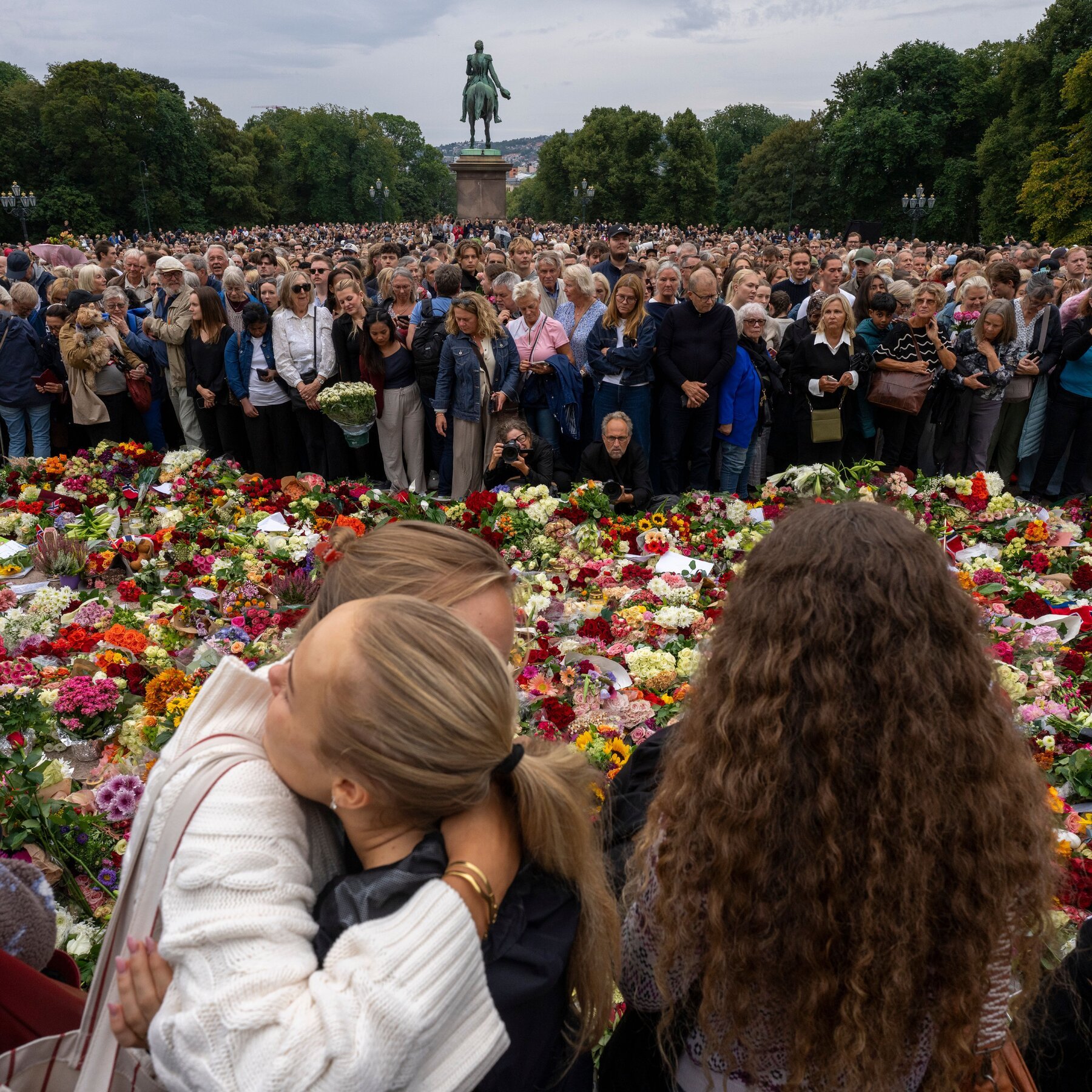
King Harald V of Norway died on 28 August 2026 at the age of 89, ending a reign of more than three decades, according to OANN's Telegram channel dispatch announcing the death. His son, Crown Prince Haakon, immediately succeeded him as King Haakon VIII, according to the same dispatch and to a profile circulated by The Indian Express on the same day.
The death of a European monarch who has occupied a single throne since the early 1990s is, on its face, a dynastic event, not a political one. Norway is a constitutional monarchy in which the royal house holds ceremonial weight rather than executive power. But the moment carries a longer register: how the institution renews itself, how the public mood reads a monarch's lifetime of service, and what a generational handover signals in a Nordic state now firmly inside the post-2022 reconfiguration of allied defence on the continent's northern edge.
What the three wire items actually say
The evidence available to this article is narrow. Three items circulated on 28 August 2026: an OANN Telegram post reporting the death and immediate succession; an Indian Express profile distributed via Telegram and an ifttt link, headlined "Who is King Haakon VIII?"; and a Reuters compilation of reactions, distributed via the agency's X account and a reut.rs short link. None of the three is a full news article in the supplied feed; what we have are the headlines, the dek lines, and a partial summary.
The OANN post states that Harald died at age 89 after a 35-year reign and that his son succeeds him as King Haakon VIII. The Indian Express profile is framed as a biographical explainer on the new monarch. The Reuters item is presented as a reactions round-up. Beyond those framings, the supplied thread excerpts do not contain the body text of any of the three pieces, and this article has not independently verified the full contents of any of them.
That constraint matters for what follows. Where the headline and the dek tell us something specific, we can say so. Where the body text would carry the supporting detail, we cannot, and we will say so rather than fill the gap from memory.
The succession in the language the wires use
The OANN dispatch frames the transition in a single news cycle: death, immediate succession, no contested claim. The Indian Express profile is built around the new king's identity rather than the late king's biography, which is consistent with a publication leading readers to "who is the man now on the throne" rather than "how did the previous reign end." The Reuters reactions round-up is, by its framing, a gathering of statements from foreign capitals and domestic political figures; the supplied excerpt identifies the item as a reactions piece without quoting any specific statement.
Monexus analysis: the combination of the three items points to a transition that Western and Indian wire desks treated as a soft-news event in the first hours: a death notice, a biographical explainer, a statements round-up. None of the three, as supplied, carries the institutional detail that would normally anchor a longer read: no proclamation text, no Storting agenda, no government decree, no foreign-leader quote.
The available source items do not specify the date of the funeral, the composition of any mourning council, the text of King Haakon VIII's first statement as sovereign, or which foreign heads of state have accepted invitations to attend. The OANN dispatch frames the immediate succession in a single news cycle and does not address protocol beyond the regnal name. The Indian Express profile is biographical in framing. The Reuters round-up is, on the supplied evidence, a gathering of statements whose individual content is not in the feed.
Reading the gap
The instinct in a wire-driven story is to backfill the missing detail from what a writer already knows about Norway: the constitution, the succession law, the Sovereign Wealth Fund, the Finnmark border, the NATO posture, the Nobel ceremony, the 2011 attacks. That instinct is wrong here, for a specific reason. The thread evidence does not contain those details, and presenting them as if reported by the three named wires would attribute to those outlets material they have not, on the supplied evidence, carried in the items we have read.
Monexus analysis: what the sources support is a tight, dated, narrowly sourced account of three things: a death, a regnal succession, and a round-up of reactions in progress. The structural context, Norway's place in the Nordic-NATO architecture, the constitutional mechanics of the monarchy, the long arc of the Sovereign Wealth Fund, is real and relevant, but it is not in the thread evidence. To assert it as reported fact in this article would overstate what these three wire items, as supplied, actually say.
The honest framing, then, is restrained. A 35-year reign ended on 28 August 2026. A son succeeded his father on the same day, taking the regnal name Haakon VIII. The world's newsrooms began gathering statements from Oslo and from foreign capitals within hours. Beyond those facts, as established by the three items in the feed, the detail is either forthcoming or outside the scope of what this article can responsibly assert.
What to watch in the days ahead
Three things to look for as the story develops, none of which the supplied source items address: a first formal statement from King Haakon VIII as sovereign, which will set the rhetorical tone of the new reign; a Storting recognition of the succession, which closes the constitutional loop without election or coronation; and a foreign-heads-of-state guest list for the funeral, which is invariably read as a map of the host country's current diplomatic posture. The available source items do not specify when the funeral will take place, whether it will be a state funeral in the strict sense, or which governments have been invited. Reuters's reactions compilation is partial and continues to update on the agency's X account.
There is also a question the wires have not yet answered, and that this article cannot answer from the supplied feed: the way the Norwegian Sovereign Wealth Fund's leadership, which interfaces periodically with the royal house on ceremonial occasions, handles the transition. The fund's institutional posture is its own story; the new king's relationship to it is, at this stage, a question rather than a fact.
Desk note: Monexus framed this as a constitutional-dynastic succession anchored to the three wire items in the feed, with the institutional and geopolitical context left as questions to watch rather than asserted as reported fact. The available sources are a death notice, a biographical profile, and a reactions round-up, and this article has not independently confirmed any of the details that those items' body text would normally carry.
Wire provenance
This editorial synthesis draws on the following public wire/social posts:
- https://ift.tt/PRSG1aK
- https://t.me/IndianExpress/816400
- https://reut.rs/4zKCbkU
- https://x.com/Reuters/status/2093363020332147172
- https://t.me/OANNTV/17175