'Crush' framing lands hours before US-hosted G20 finance track puts Iran sanctions in scope
US Treasury Secretary publicly tells reporters a blockade 'will crush' Iran's economy as Iranian negotiators push back and Tehran threatens US economic interests, hours before a US-hosted G20 finance meeting that Reuters says will target Iran sanctions.
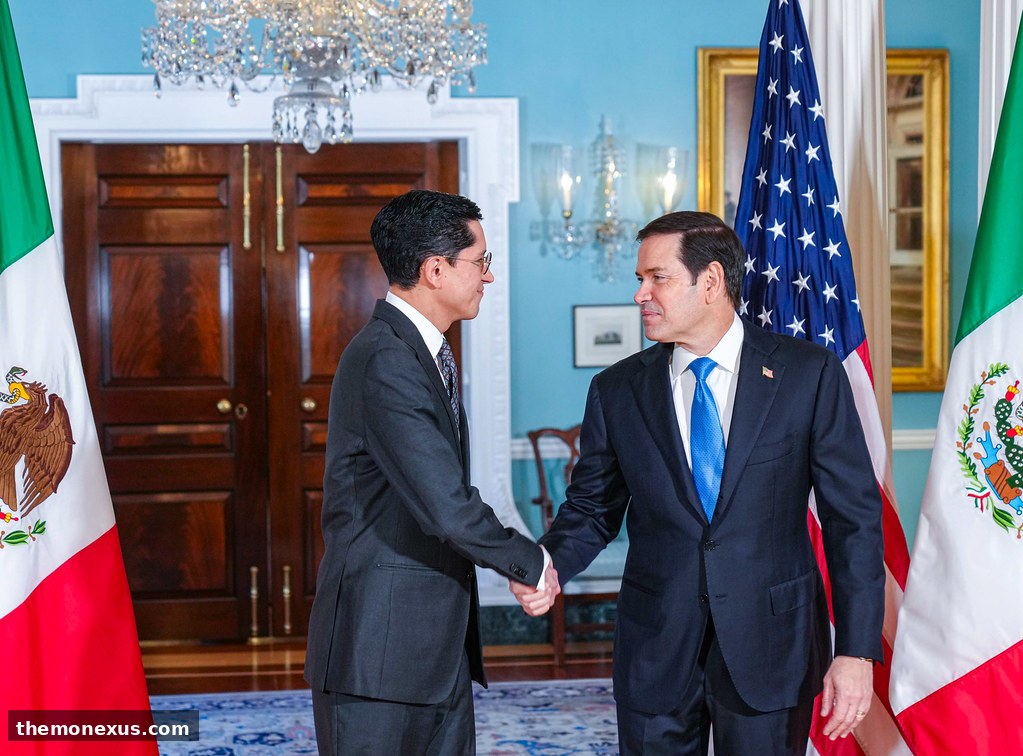
At 06:17 UTC on 28 August 2026, the US Treasury Secretary publicly characterised a prospective maritime blockade on Iran as the instrument that would "crush" an economy he described as "failing", the first read of the line that Middle East Eye carried on its live blog.
By 06:08 UTC the same morning, an Iranian official had already issued a counter-threat, warning that, if the maritime pressure continued, Tehran would target US economic interests "with intensity and force." Iran's top negotiator followed at 06:13 UTC, denouncing the Treasury Secretary's accusations about Iranian spending abroad. The three lines, separated by minutes, set the register for what a US-hosted G20 finance track has now been briefed to take up: Reuters reported at 03:40 UTC that a US Treasury official said the meeting will target growth, global imbalances, and Iran sanctions.
Read together, the source items describe a coordinated rhetorical squeeze, not yet an executed policy. What is new in this cycle is the verb a sitting US finance chief has chosen. Where earlier US messaging around Iran has lived in conditional phrasing, the morning line moves to outcome language. Monexus reading: the shift in register is what to watch. If the Treasury apparatus is now publicly tying an embargo-grade measure to a forecast result, it is signalling that the policy direction has hardened behind the scenes faster than the wire cycle has caught up to it.
How the morning timeline ran
Middle East Eye's "War on Iran" topic feed posted three updates inside nine minutes. First, at 06:08 UTC, an unnamed Iranian official warned that US economic interests would be hit "with intensity and force" if the maritime blockade continued. At 06:13 UTC, Iran's top negotiator posted a rebuttal targeting what he framed as Treasury-led accusations of Iranian spending abroad, a domestic-audience pushback that also reads as signalling to European and Chinese counterparts that Tehran will not absorb the framing silently. At 06:17 UTC, the Treasury Secretary delivered the "crush" line on a prospective maritime blockade.
The Reuters overnight report from a US Treasury official on the G20 finance meeting sat upstream of this cascade: it told wire readers at 03:40 UTC that the US-hosted meeting will "target" growth, imbalances, and Iran sanctions. Monexus assessment: the Treasury is sequencing the messaging. The overnight wire report sets the venue, the morning live-blog posts set the tone, and the G20 finance ministers are now the implicit audience for both.
Tehran's three-line reply
The Iranian side did not reply in one voice; it replied in roles. The unnamed official's threat addressed economic interests in the conditional future ("if the maritime blockade continued"), a formulation that keeps the contingency live while pre-committing to a response. The top negotiator's post performed a different job: it contested the evidentiary basis of US accusations rather than the policy itself, a finer-grained rebuttal aimed at audiences that may still be weighing evidence, principally European and Chinese counterparts who have residual commercial exposure to Iran.
Monexus analysis: this division of labour is itself information. Tehran is treating the morning as a two-front engagement, with one Iranian voice reserving escalation and another contesting facts. The implicit signalling targets Gulf shipping insurers, Chinese refiners with residual exposure to Iranian crude, and the European side that has spent recent years rebuilding limited payments channels that any serious escalation will render unusable.
The G20 as legitimisation layer
The structural question is what a US-hosted G20 finance track does with a Treasury framing of this kind. Monexus analysis: the most natural read is that the G20 meeting is being asked to absorb the policy posture rather than to contest it. A multilateral venue endorsement of Iran sanctions as a topic for targeting, without public disavowal of the "crush" framing, would shift the cost of any later European or Asian deviation from US sanctions enforcement. That is a different ask from "join our enforcement," it is closer to "endorse our framing."
The choice of venue is itself a signal. Sanctions enforcement has historically been multilateralised through the UN Security Council or G7 architectures; a US-hosted G20 finance track is a wider table with China, India, Brazil and South Africa in the room, and a wider table multiplies the audience the US can address and the cost any dissent incurs in public.
Stakes, gaps and what to watch next
The next 72 hours set the floor for the autumn. If the G20 finance-track communique or read-out references Iran sanctions in language that does not distance itself from the Treasury's "crush" framing, the rhetorical lock-in will have happened. If one or two large G20 members, most plausibly China, France or Brazil, publicly contest the framing, the rhetoric recedes back toward the conditional register and the negotiating clock restarts.
Three details the available source items do not specify, and this article has not independently established: the identity of the "Iranian official" issuing the threat, the named counterparties in any current diplomatic channel that the Treasury Secretary is publicly positioning against, and the legal architecture the US side would rely on to authorise a blockade as distinct from the existing sanctions regime. Those gaps are themselves information; they suggest a posture still being built in public.
This article was filed from the live wire and the cited Middle East Eye live-blog and Reuters report. Monexus characterised the morning's three lines as a sequenced rhetorical squeeze, with Tehran replying in two registers, and surfaced the US-hosted G20 finance track as the venue the wire coverage framed as procedural.
Wire provenance
This editorial synthesis draws on the following public wire/social posts:
- https://www.middleeasteye.net/live-blog/live-blog-update/us-treasury-secretary-says-blockade-iran-will-crush-failing-iranian?topic=War%2520on%2520Iran&nid=442386&fid=557773
- https://www.middleeasteye.net/live-blog/live-blog-update/irans-top-negotiator-slams-us-treasury-secretary-over-accusations-abroad?topic=War%2520on%2520Iran&nid=442386&fid=557773
- https://www.middleeasteye.net/live-blog/live-blog-update/iranian-official-warns-hit-us-economic-interests-intensity-and-force-if?topic=War%2520on%2520Iran&nid=442386&fid=557773
- https://reut.rs/4qEgpuO
- https://x.com/MiddleEastEye/status/2093221301452193932
- https://x.com/MiddleEastEye/status/2093220347499700544
- https://x.com/MiddleEastEye/status/2093219164680827010
- https://x.com/Reuters/status/2093181858443833465
- https://www.middleeasteye.net/live-blog/live-blog-update/us-treasury-secretary-says-blockade-iran-will-crush-failing-iranian?topic=War%2520on%2520Iran&nid=442386&fid=557773
- https://www.middleeasteye.net/live-blog/live-blog-update/irans-top-negotiator-slams-us-treasury-secretary-over-accusations-abroad?topic=War%2520on%2520Iran&nid=442386&fid=557773
- https://www.middleeasteye.net/live-blog/live-blog-update/iranian-official-warns-hit-us-economic-interests-intensity-and-force-if?topic=War%2520on%2520Iran&nid=442386&fid=557773
- https://reut.rs/4qEgpuO
- https://x.com/MiddleEastEye/status/2093221301452193932
- https://x.com/MiddleEastEye/status/2093220347499700544
- https://x.com/MiddleEastEye/status/2093219164680827010
- https://x.com/Reuters/status/2093181858443833465