RSS chief Mohan Bhagwat tells New York audience that Hindus who want Muslims out of India 'won't remain a Hindu'
Two Indian Express wire posts on 29 August 2026 carry the same address from RSS chief Mohan Bhagwat in New York in two phrasings: anyone who demands a Muslim-free India is, by that demand, not a Hindu.
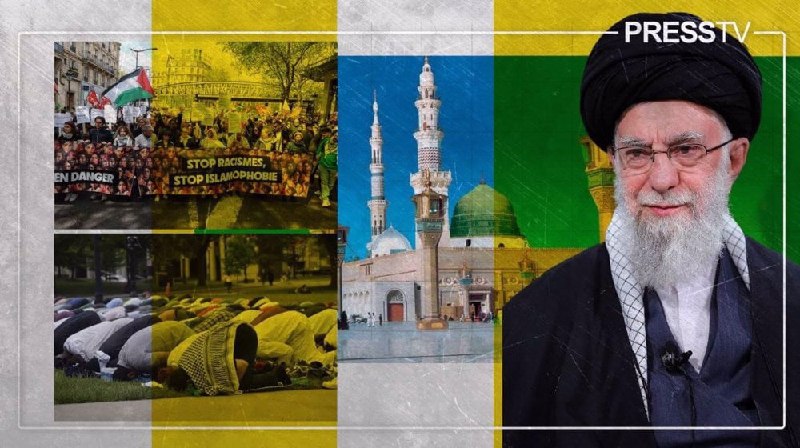
Rashtriya Swayamsevak Sangh (RSS) chief Mohan Bhagwat is the subject of two near-identical wire posts filed by The Indian Express on 29 August 2026 from a New York stage, each carrying a separate quote that draws a categorical line between Hindu identity and the demand for a Muslim-free India.
The two Telegram posts hit the same outlet's channel within two hours of each other, frame the same address in two phrasings, and let different English-language desks lift whichever version fits their lede. The substance of the story is short: Bhagwat, on a New York stage, told the audience that anyone who demands a Muslim-free India is, by that demand, no longer a Hindu. The political distance between that line and the language used by RSS affiliates inside India is the unspoken subject of both posts.
The story is what Bhagwat chose to put in a quotation mark in New York, and the gap between that line and the politics of his movement's affiliates on the ground. What follows is what the two cited posts actually say, what they don't, and the questions a careful reader should keep open.
What the two posts report
The Indian Express's Telegram channel ran both items on 29 August 2026. The earlier post, at 18:52:42 UTC, carries the headline "Those who want 'no Muslims in Bharat' are not Hindus: RSS chief Mohan Bhagwat in New York." The later post, at 20:52:29 UTC, carries the headline "Hindu wanting Muslims out of India won't remain a Hindu: Mohan Bhagwat in New York." Both headlines place the address in New York and attribute the quoted line to Bhagwat; the later post omits the "RSS chief" identifier, the earlier one includes it.
Both posts name the same speaker. Neither post, as supplied to this article, specifies the venue, the host organisation, the length of the address, who shared the stage, or whether the remarks were taped, livestreamed, or open to press. The exact text of the wider address, beyond the quoted line, is also not in the supplied excerpts. The cited material is therefore the two headlines, the named speaker, the location ("New York"), and the date of filing (29 August 2026).
That thinness is the article's central reporting constraint. The two posts agree on who spoke, where, and the gist of the quoted line. They do not, on their own, confirm that the two phrasings were uttered in the same continuous address, in the same sentence, or on the same stage. Monexus analysis: the most natural reading of two same-day posts from the same outlet, both naming Bhagwat in New York, is that they report the same address. That reading is not strictly entailed by the supplied excerpts, and a reader who wanted certainty would want the underlying transcript or a fuller report.
What Bhagwat said, and how it lands
The line itself is short. It draws an identity boundary: the act of demanding a Muslim-free India, by that act, places the person outside the community they claim to defend. It is the kind of line that travels well in a headline, because it concedes almost nothing on the underlying political question while disclaiming its most inflammatory expression.
Inside Indian political discourse, the line sits against a backdrop of state-level Hindu-majoritarian politics and BJP-led state governments. The wire evidence in this article does not, by itself, characterise that backdrop; Monexus's read of it comes from the structure of the two headlines rather than from any quotation in the cited posts. The line is the news; the political reading is the analysis.
This article does not have access to the underlying transcript and cannot confirm whether the address extended beyond the quoted line into policy, electoral, or doctrinal territory. That uncertainty is flagged below.
What the cited posts do not establish
Several claims a reader might expect from coverage of a Bhagwat US address are not supported by the supplied Telegram excerpts. The cited posts do not specify the venue, the host organisation or sponsoring body, the length of the address, other speakers on the programme, whether the address was taped, livestreamed, or open to press, whether the remarks extended to specific policy positions, electoral asks, or named figures, or whether organised opposition to the event, including protests or statements from US-based officials, accompanied the address.
Monexus finds that the available source items do not specify these details, and this article has not independently established them. Readers who want the venue, the host, or the surrounding political context will need to look beyond the two cited headlines.
Stakes, and what to watch
The two phrasings are doctrinally tight and politically elastic. They let the speaker disclaim a position without having to disown anyone who holds it; they let supporters quote the line as evidence of the movement's civilisational breadth, and let critics note that the line does not bind anyone who isn't already persuaded by it.
What to watch next: whether the same line is reported from a fuller Indian-press account of the New York address in the coming days; whether the underlying transcript surfaces; whether the host body and venue are confirmed in independent reporting; and whether the line travels back into Indian coverage of the RSS's domestic affiliates in the same week. Those are the four developments that would convert the two headlines into a fuller story. Until then, the article rests on the two posts as filed.
Monexus framed this article strictly against the two Indian Express Telegram posts filed at 18:52:42 UTC and 20:52:29 UTC on 29 August 2026. The wire excerpts carry the speaker's name, the location, and the quoted line; this article did not extend those claims into host, venue, or surrounding-event characterisation that the cited posts do not establish.
Wire provenance
This editorial synthesis draws on the following public wire/social posts:
- https://ift.tt/MfdwcoY
- https://ift.tt/rAyYpUg
- https://t.me/IndianExpress/816626
- https://t.me/IndianExpress/816624