The shape of a rumour
Four Telegram dispatches in forty minutes on 29 August 2026 turned Russian planning chatter into a news cycle. The reporting deserves more scrutiny than the volume suggests.
At 11:19 UTC on 29 August 2026, the Telegram channel noel_reports carried a line that, if true, recasts the next five months of the war: Russia's leadership has reportedly tasked its military with reaching the administrative borders of Donetsk and Luhansk regions by 31 December, while Russian commanders are pushing for a 31 March deadline instead. Forty minutes later, the channel osintlive picked up the thread, framing it as preparation for new operations in the Kyiv and Chernihiv directions. By 11:59 UTC, the same channel's headline read like a siren: Russia is considering new offensive options toward Kyiv and Chernihiv, while Ukraine says it is already preparing countermeasures and sees no immediate formation of a strike group. Four messages, forty minutes, a single rumour metabolised into an international headline.
That arc is the story. The substance, on the available evidence, is thinner than the framing suggests.
What one named Ukrainian source actually said
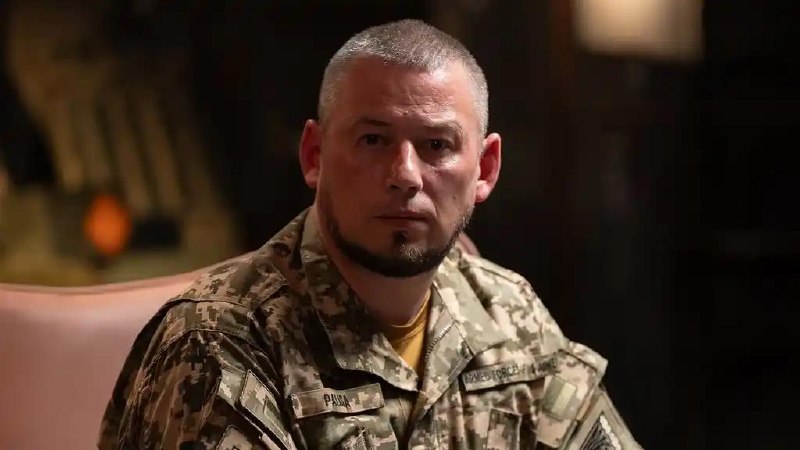
The named first-party voice in this cluster is Pavlo Palisa, Deputy Head of the Presidential Office, as relayed by Kyiv Post's official Telegram channel at 11:53 UTC. Russia ordered its commanders to draft plans targeting Kyiv and Chernihiv, he is reported to have said, but no strike group is forming. Ukraine's General Staff, in his telling, has ready responses. The phrasing carries weight. Drafting plans is what general staffs do during wars. It is also what general staffs do when senior political leadership wants options on paper for an audience of one. Palisa's job, on the record as carried by the channel, is to acknowledge the threat without amplifying it.
The gap between "drafting plans" and "forming a strike group" is the entire distance between a war scare and a war.
What the relays actually changed
Compare the three osintlive posts across the morning. The earliest framing, at 11:29 UTC, described Moscow as "again examining northern Ukraine as a future axis of advance." By 11:59 UTC the language had sharpened: Russia is "considering new offensive options" while Ukraine sees "no immediate formation." The shift from "examining" to "considering" is small in letters and large in tone. It is also the work of an aggregator layering Ukrainian pushback on top of Russian-adjacent sourcing. Read in sequence, the Telegram thread does not report a military movement. It reports a rephrasing.
The Donetsk deadline is the news; the Kyiv talk is the noise
Monexus assessment: the operationally consequential item in the cluster is the noel_reports dispatch on Donetsk and Luhansk. Reaching the administrative borders of the two oblasts by year-end is a defined objective with a defined clock. A commander-side counter-proposal of 31 March is the kind of internal friction that surfaces in wartime when a political deadline looks unrealistic. That is reporting with traction. The Kyiv and Chernihiv chatter is, on the available evidence, a planning exercise that the named Ukrainian source is downplaying. Treating both items at the same volume distorts the picture of where this war actually sits at the end of August.
The structural frame, in plain language
Wars generate a steady hum of planning leaks. Some are operational deception, designed to fix an adversary on a sector they will not be hit in. Some are bureaucratic friction, a headquarters wanting to show the political leadership that contingencies exist. Some are signalling to a third party, an audience outside the theatre altogether. Western wire reporting tends to treat any such leak as evidence of intent, because that is the grammar the audience expects. Ukrainian official communications, in this cluster, treat the same leak as evidence of threat to be managed, because that is the grammar of a country that has lived under this threat for four and a half years. Both grammars are defensible. Neither is the whole truth. The honest read is that Russia is doing what general staffs do: producing options. What those options become is a question for forces, weather, logistics and political decision in Moscow, not for Telegram on a Friday morning.
Stakes
If the Donetsk deadline is real and binding, the next four months on the southern axis will be the most violent stretch of 2026. If the Kyiv and Chernihiv planning chatter is the main event, Ukraine's air defence, mobilisation reserves and northern rail nodes will carry that risk premium, and Western capitals will be pressed on long-range strike authorisation in a different register than today. The two paths carry very different policy implications. Conflating them, as the morning's Telegram cycle did, helps no one.
What remains genuinely uncertain
The available source items do not specify which Russian headquarters originated the Kyiv and Chernihiv planning directive, when it was issued, or whether it was a routine annual review rather than an escalation. They do not name the Ukrainian General Staff officer who briefed counterparts on the readiness of countermeasures. They do not record an ISW, RUSI, or other named-analyst confirmation of either deadline. The cluster also does not include any other named Ukrainian official speaking on the record in the available items; this article has not independently established whether such voices appeared in coverage outside the four posts cited above. Until at least one of those gaps is closed by a primary document or a named on-the-record source, the Kyiv and Chernihiv line should be carried as planning chatter, not as an offensive in motion. The Donetsk clock, by contrast, is specific enough to watch, and specific enough to hold its reporters to.
Desk note: where the morning cycle on 29 August framed Russian planning chatter and a Ukrainian rebuttal as a single news event, this publication separates them. The Donetsk deadline is treated here as the operationally relevant item; the Kyiv and Chernihiv line is carried as a planning exercise that the named Ukrainian source is downplaying.
Wire provenance
This editorial synthesis draws on the following public wire/social posts:
- https://t.me/osintlive/567919
- https://t.me/Kyivpost_official/39209
- https://t.me/osintlive/567908
- https://t.me/noel_reports/51868