Djokovic falls in the US Open first round for the first time since 2006
Novak Djokovic lost to Argentina's Mariano Navone in the first round of the 2026 US Open, his earliest grand slam exit since 2006 and, by his own account, a match he fought through while unwell.
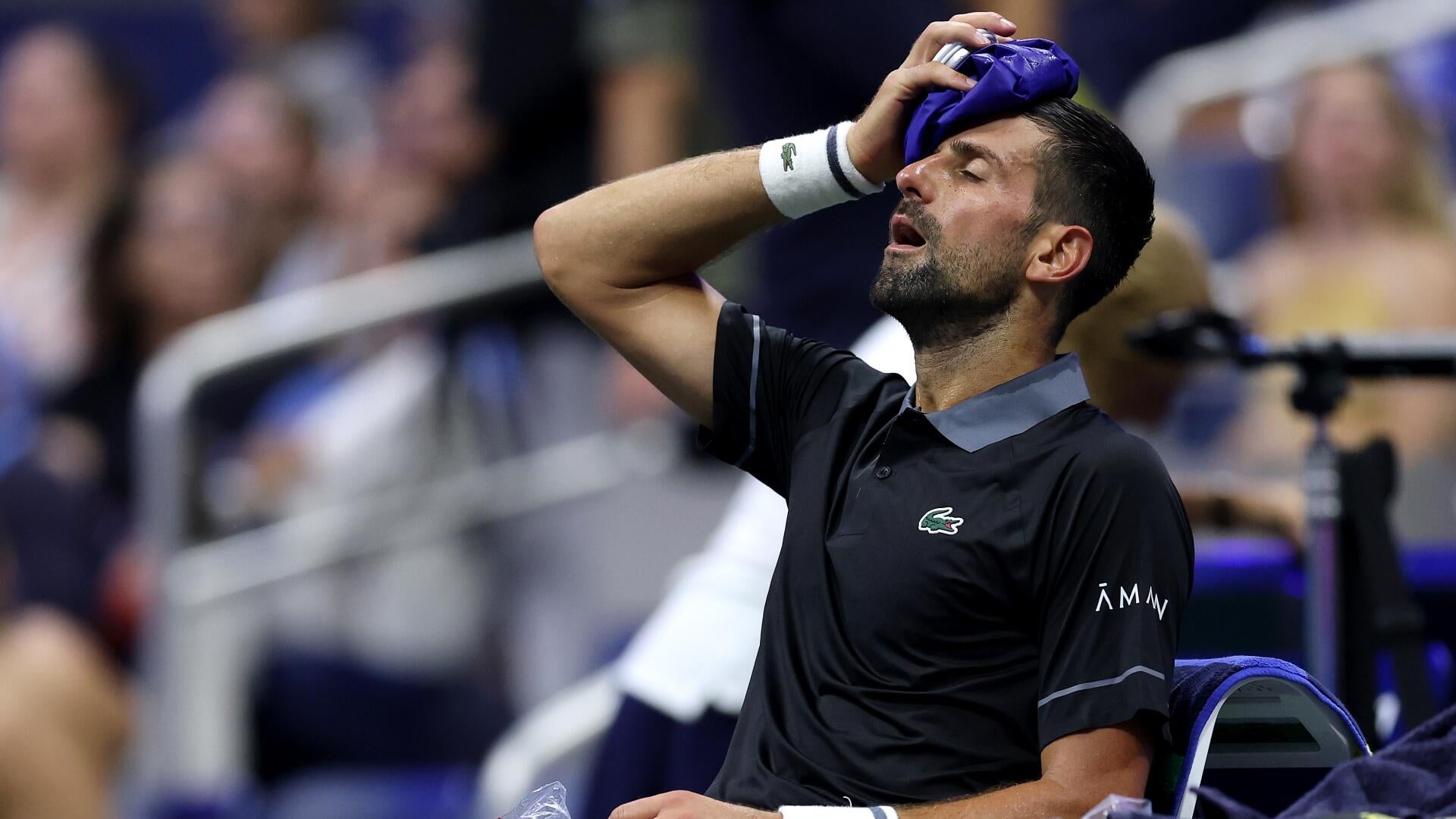
Novak Djokovic walked off the court at the US Open late on Sunday night to a result he had not tasted at a major in two decades. The 39-year-old Serbian lost to Argentina's Mariano Navone in the first round of the 2026 US Open, the earliest exit of his grand slam career and the first time he has fallen at the opening hurdle of a major since the 2006 edition of the same tournament, according to CBS Sports reporting dated 31 August 2026.
That the streak began and ended at Flushing Meadows, separated by 20 years and a generation of rivals, is the kind of symmetry tennis writes for itself. It does not change the arithmetic for the rest of the field, but it changes the feeling. The 2026 US Open is now a tournament without Djokovic in the second round, a sentence that had not been true of a major since the George W. Bush administration.
The result, carried across US and UK wires in the early hours of 31 August 2026, came with a qualifier nobody in the press box spent much time disputing afterwards. Djokovic was visibly unwell during the match and visibly emotional at its end. He broke down in tears during his post-match appearance, according to BBC Sport, and told reporters he had "despised every moment" of the physical struggle, in remarks carried by The Indian Express via its Telegram channel at 10:52 UTC on 31 August 2026.
A body running the show
The framing out of New York has been consistent: age has caught Djokovic, and there is no longer much argument about it. He turned 39 this year, per the BBC Sport account. The various connective tissues he has been managing were, by his own words on Sunday, no longer manageable.
"I despised every moment," Djokovic said, quoted by The Indian Express, in the kind of sentence that does not leave much room for the public-relations version of the next tournament. The Indian Express framing, picked up by its Telegram channel at 10:52 UTC on 31 August 2026, emphasised the player's own language about the physical toll rather than any tactical reading of the defeat.
BBC Sport's report ran under a headline that left little ambiguity: "Djokovic breaks down in tears during US Open first-round exit." The story itself noted that the defeat "provided further evidence that age is fast catching up with the 39-year-old great." CBS Sports, in its write-up of the upset, framed the result explicitly around illness, treating the loss as a story about a player contending with his body rather than about an opponent's form.
What the upset actually means
Navone is an Argentine whose profile the thread sources do not detail beyond the result itself. CBS Sports treated the upset as a record-breaking first-round slam loss for Djokovic since 2006 and anchored the story on the illness angle; BBC Sport and The Indian Express carried the same frame through the post-match emotion and the player's own quotes. The available reporting in this thread does not specify Navone's ranking, surface preferences or prior meetings with Djokovic, and this article does not speculate.
For the rest of the men's draw, the immediate consequence is structural: the second round of a US Open that will not feature Djokovic is, by definition, a different tournament than the one the field had prepared for. The wire reporting in this thread does not specify results from other seeded players in the men's or women's draws, so the broader directional read on the early rounds is not established by the available evidence.
The counterpoint is biographical. Djokovic's career has been one long argument against single-result narratives. He was written off after the 2016 slump, after the 2017 elbow, after the 2022 unvaccinated stretch, and after every hamstring scare of recent seasons. He answered each time. There is no sourced basis in the available reporting for declaring that Sunday's match is the end rather than another pause, and CBS Sports was careful to call it the first first-round slam loss "since 2006" rather than the last.
The streak in context
A run of consecutive grand slam tournaments reaching the second round that began in 2006 is the kind of record the wire reporting in this thread does not quantify beyond the 2006 starting point. CBS Sports' framing dates the streak to the 2006 US Open; the exact number of consecutive major appearances that spanned the run is not specified in the available source items. What the reporting does establish is the simple, durable fact: for two decades, no opponent had knocked Djokovic out of a major in the first round.
The available wire reporting does not address the state of the rest of the draw, the condition of other top seeds, or the tactical shape of the Navone match beyond the illness frame. Those are the questions a fuller accounting of the day will answer; they are not settled by the three source items on this thread.
Stakes and what to watch next
For Djokovic, the near-term question is what comes next on his calendar. The Indian Express account of his post-match remarks emphasised frustration with the physical struggle rather than finality. The thread context does not specify whether he has announced a retirement date or signalled one. Whether the September indoor swing becomes a farewell tour or a recalibration is the kind of question the next three weeks of reporting will resolve.
For the sport, the stakes are generational in a way the sources only gesture at. The thread evidence does not establish the shape of the second week without Djokovic, it does not name the favourites, does not project the draw, does not quantify the gap between the top of the men's game and the rest of the field. What it does establish is that one of the defining certainties of the last two decades of men's tennis is, as of 31 August 2026, no longer certain.
Monexus framed this around the streak-breaking dimension of the loss and Djokovic's own post-match language, rather than the broader retirement speculation that tabloid coverage has been running. The wire sources on this story converge on age and illness as the dominant frame; this article treats both as data, not as a verdict, and leaves the rest of the draw and the calendar questions for the next round of reporting.
Wire provenance
This editorial synthesis draws on the following public wire/social posts:
- https://www.cbssports.com/tennis/news/2026-us-open-results-novak-djokovic-mariano-navone-upset-record/
- https://www.bbc.co.uk/sport/tennis/articles/c39m1le9gjeo?at_medium=RSS&at_campaign=rss
- https://ift.tt/5inbAf8
- https://t.me/IndianExpress/816935