Shein's Hong Kong debut is a price, not a verdict
A $26bn listing that once traded at a $100bn private mark tells a story about where Chinese-origin growth paper is now clearing, and the cost of clearing it there.
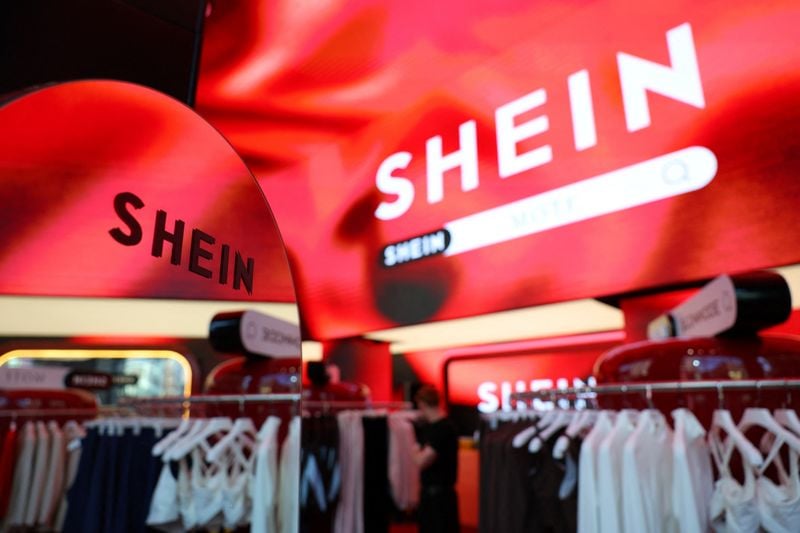
Shein opened on the Hong Kong Stock Exchange on 1 September 2026 at HK$48.56 and slid as much as 10% before recovering some of the loss, trading as low as HK$43.72 in early deals. The float, valued at roughly $26bn, was the fast-fashion group's first listing, after years of failed approaches to sell shares in New York and London.
A 10% first-day slide on an IPO once privately marked at $100bn is not a routine wobble. The interesting question is not whether the market is wrong; it is what the discount is paying for. A China-rooted consumer brand that could not price where its founders wanted has now priced where the order book would clear, and the gap between those two facts is the news.
What the tape said
The Guardian's account of the debut puts the size of the float at $26bn and frames it explicitly as a fallback after the failure of US and UK processes. CNBC's morning report carried the share drop at 7% in early New York coverage, with Investing.com's wires registering the deeper 10% slide and labelling the episode "a valuation reset." Moneyweb's South African wire carried the same price band, HK$43.72 to HK$48.56. The available source items cover the opening window; they do not specify how the rest of the session progressed or where the stock closed.
The opening pattern is consistent across the wires: the deal priced, the deal opened lower, and the deal traded below the IPO price in early deals. How much of that early weakness held into the close is a question the cited reporting does not resolve.
The London and New York that did not take it
Shein's path to a public market is the more revealing story. The BBC's background piece, filed before the Hong Kong opening, runs through what it calls a "years-long quest" to sell shares in New York and London. The Guardian's report is more pointed: Hong Kong was the flotation because the US and the UK processes did not complete.
The available source items establish that the attempts happened, that they did not complete, and that Hong Kong was where the company ultimately priced. What sits between those facts, whether the obstacle was regulatory, political, or commercial, is not specified in the cited reporting. The structural read on whether Western venues are systematically closing to Chinese-origin issuers therefore rests on a thin evidentiary base: one completed listing that did not happen where the company wanted it to.
The number that matters
The $100bn private mark, against a $26bn float, is the article. The Guardian carries both numbers in the same paragraph, and the gap is the news. How the market ultimately treats that gap, as a one-time clearing price or as a durable mark on the category, is the question the next two trading sessions will answer.
Monexus assessment: the listing itself does not tell us whether the 74% gap from the last private round to the public print reflects a repricing of the firm, a repricing of the category, or simply a repricing of where Chinese-origin growth paper can now clear. The wires describe the outcome; the cause is contested territory, and the available source items do not resolve it.
What the listing actually tells us
The structural read is not about Shein's dress margins. It is about where Chinese-origin paper will clear, and at what discount. Hong Kong priced this deal, and Hong Kong will price the next one. The 10% slide is the visible part of that adjustment. The invisible part is the queue of similar issuers who will price in Hong Kong over the coming quarters, at terms their founders will not enjoy mentioning on the record.
What remains genuinely uncertain, and the cited reporting does not resolve, is whether the early weakness is a one-off clearing price for a specific deal structure or a durable mark on the category. Watch the tape, not the press release: a recovery above HK$48.56 by Thursday's close in Hong Kong would read as a successful floor; a slide toward HK$40 would read as the start of something uglier.
Desk note: The Western wires (BBC, CNBC, Guardian) frame Shein's debut as a corporate story about a troubled IPO. This publication reads it as a market-architecture story about where Chinese-origin growth paper now clears, and at what discount. That framing is consistent with the cited evidence but rests on a thin base; a single listing is not a regime.
Wire provenance
This editorial synthesis draws on the following public wire/social posts:
- https://www.theguardian.com/business/2026/sep/01/shein-shares-slide-fast-fashion-retailer-stock-market-debut-hong-kong
- https://www.moneyweb.co.za/news/international/shein-shares-drop-10-in-hong-kong-debut-after-rocky-path-to-ipo/
- https://www.investing.com/news/stock-market-news/shein-shares-slide-10-in-hong-kong-debut-after-valuation-reset-4883462
- https://www.cnbc.com/2026/09/01/shein-ipo-market-debut-hong-kong.html
- https://www.bbc.co.uk/news/articles/c3v0qrz7z25o?at_medium=RSS&at_campaign=rss
- https://www.theguardian.com/business/2026/sep/01/shein-shares-slide-fast-fashion-retailer-stock-market-debut-hong-kong
- https://www.moneyweb.co.za/news/international/shein-shares-drop-10-in-hong-kong-debut-after-rocky-path-to-ipo/
- https://www.investing.com/news/stock-market-news/shein-shares-slide-10-in-hong-kong-debut-after-valuation-reset-4883462
- https://www.cnbc.com/2026/09/01/shein-ipo-market-debut-hong-kong.html
- https://www.bbc.co.uk/news/articles/c3v0qrz7z25o?at_medium=RSS&at_campaign=rss