AUKUS puts the crew out of the torpedo tube
Britain and the US have fired a torpedo from an uncrewed underwater vessel for the first time, France 24 reports, in a step the partners frame as proof AUKUS can deliver the autonomous naval capability Canberra signed up for.
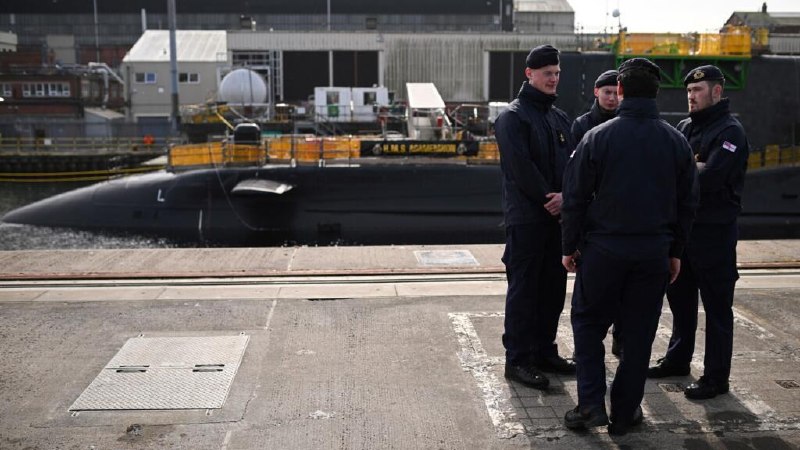
On 22 September 2026, the United Kingdom and the United States fired a torpedo from an uncrewed underwater vessel for the first time, France 24 reported. The two governments describe the test as a step forward in the AUKUS effort to develop autonomous naval technology, with Australia named as the third partner that the technology track is meant to serve.
The firing matters less as a single weapons demonstration than as a proof of concept. AUKUS, the trilateral security pact signed by London, Washington and Canberra, has spent years trying to expand undersea capability to Australia while balancing industrial capacity none of the three partners has in surplus. Anything that moves meaningful capability onto an uncrewed platform changes what missions a Western democracy is willing to authorise in contested waters, because the political cost of losing a sailor is no longer on the table.
What the France 24 report says, and what it does not
France 24's account frames the firing as a forward step for AUKUS-style autonomous work, while stopping at the headline claim. The available source items do not specify which vessel carried the torpedo, which warhead was used, the operating depth, the test range, or whether the round was a live high-explosive or a telemetry variant. The story names no test location. Readers should treat the achievement, on the present evidence, as a milestone of integration rather than a confirmed operational capability.
That the partners chose to disclose the test at all is itself a signal. Confirming a torpedo launch from an uncrewed underwater vessel publicly tells observers that one of these platforms has now been integrated with a torpedo tube, in some configuration, under Anglo-American control, with Australia as the named downstream customer for the underlying technology track. The remaining questions, platform identity, warhead class, test range, geography, are exactly the details that militaries tend to withhold when an unmanned-torpedo programme is being normalised rather than just demonstrated.
Monexus assessment: why the disclosure lands now
The most natural reading of the timing is that the partners wanted to put a public marker on the autonomous-naval pillar of AUKUS before the political calendar made silence untenable. France 24 reports the test as a step forward; it does not explain why the step was disclosed on 22 September 2026 specifically. Our assessment is that the announcement is calibrated for three audiences at once: Australian voters weighing the cost of the pact, British MPs asking what Whitehall gets out of it, and the wider Indo-Pacific watching whether the technology track is real or marketing. For all three, a first-ever firing is a cleaner answer than a schedule slide.
A second, less flattering reading is that the test is being used to anchor a narrative before harder questions land. France 24's report does not address production timelines, cost per platform, or whether the autonomous track is intended to substitute for or augment the crewed submarine programme. Those are the questions that determine whether the milestone is the first entry in a new operational doctrine or a one-off press event.
The stakes, in three capitals
For Canberra, the announcement is a useful data point in an ongoing domestic argument about whether AUKUS delivers enough, fast enough. The France 24 item does not characterise Australian political reaction to the test, and this article has not independently established whether the Australian government, the parliamentary opposition, or Australian defence industry bodies have issued statements on the firing. What the source does establish is that Australia is named, by the partners, as the beneficiary of the underlying autonomous-naval work.
For London, the test is a deliverable the British government can point to when the contribution-share question is raised. France 24's item does not specify which British or US entities conducted the firing, nor whether the platform involved is one already in service or a new build. That gap is itself informative: until those details surface, the test reads as a capability the partners are willing to claim publicly without yet being willing to specify operationally.
For Beijing and the wider region, the announcement lands inside an existing debate about whether AUKUS is a transparency measure or an exclusive bloc. France 24 does not quote Chinese foreign ministry reaction to the test, and this article has not independently established whether Beijing has issued a statement. The structural shape of the pact, its submarine pillar, its technology-sharing logic, its Indo-Pacific focus, is documented elsewhere, but the present source items do not extend to a Chinese official response to this specific firing.
What we verified, and what the sources do not show
What the France 24 report establishes: that on 22 September 2026 the UK and US test-fired a torpedo from an uncrewed underwater vessel for the first time; that the partners frame the firing as a step forward in AUKUS autonomous naval technology; and that Australia is the named third partner and intended beneficiary of the underlying technology track. What the report does not establish, and what this article has not independently verified from the available source items: the platform type, the torpedo class, the warhead variant, the test location, the cost of the programme, the production timeline, the identities of any Australian, British or US officials who commented, the reaction of any foreign government, or any operational doctrine attached to the firing. The honest uncertainty sits in that second list. Until those details surface, the test is a milestone the partners have chosen to disclose, which is news, and not yet a capability a reader should price into regional threat assessments.
Wire provenance
This editorial synthesis draws on the following public wire/social posts:
- https://www.france24.com/en/europe/20260922-uk-and-us-make-first-ever-torpedo-test-from-uncrewed-vessel
- https://t.me/france24_en/18691
- https://f24.my/CAoQ.g