Sanctions, self-sufficiency and the US midterm clock: reading the 8 October split screen
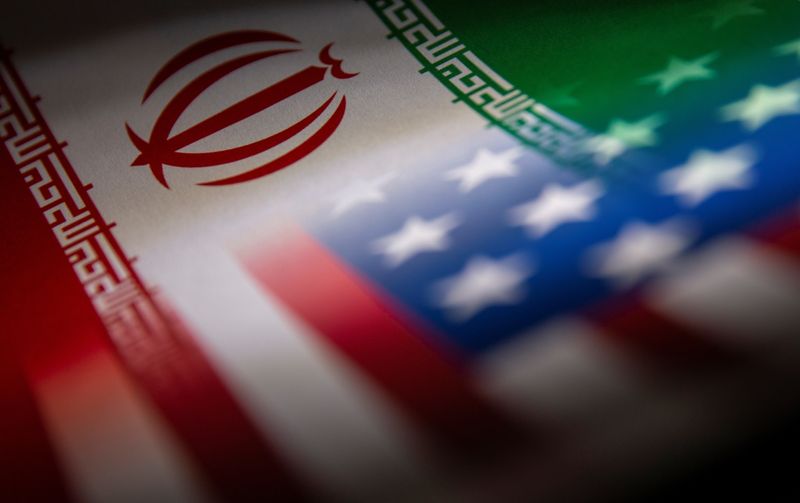
On 8 October 2026 the US Treasury filed a fresh Iran-related package aimed at the country's oil transport network, while Iranian state media cast biotechnology as a strategic asset and Tehran reiterated it will not abandon enrichment. The split screen is the story.
At 17:00 UTC on 8 October 2026, Investing.com posted a wire item headlined "US imposes fresh Iran-related sanctions." Within the next three hours two further postings appeared on the same outlet: at 17:28 UTC, "US imposes new sanctions on Iran targeting oil transport vessels," and at 20:00 UTC, "US imposes new sanctions on Iran's oil transport network." The cadence across three filings in one news cycle is the texture of an administration that wants the designator line in the Treasury database and the press coverage of the same line on the same day.
The split screen on the other side of the table ran in parallel rather than in sequence. At 17:10 UTC, before two of the three US filings had even posted, Iran's position that it will not abandon its uranium enrichment programme was already on the wire. At 19:00 UTC, Press TV on Telegram published a release framing biotechnology as a strategic asset powering domestic pharmaceutical production. The same 24-hour window also carried a CNBC item, dated 8 October 2026, under the headline that the United States will not attack Iran before the midterm election. Both sides are now publishing inside their own industrial-policy frame, and the contest is no longer about whose red lines will be crossed but about whose substitute economy holds together longest.
What the US action targets
Reading the three Investing.com items together, the substantive target of the 8 October 2026 package is the maritime side of Iran's oil trade: the shipping bottleneck through which the Islamic Republic moves crude it cannot refine entirely at home and refined product it cannot move any other way. The headline of the 17:28 UTC wire item names "oil transport vessels" explicitly; the 20:00 UTC headline names the "oil transport network" explicitly. The available source items do not specify the number of vessels newly designated, the tonnage involved, or the names of Iranian or third-party entities added to the SDN list. Monexus has not independently established those details from the cited posts.
What the items do establish is sequencing and scope. Three filings under three different framings in a single day, two of them with "oil transport" in the headline, is the press footprint of an action designed to be seen rather than merely recorded.
What Tehran says it is doing instead
Iran's framing on 8 October 2026 is not a denial. It is an alternative architecture. The Press TV Telegram release, timestamped 19:00 UTC, presents biotechnology as a strategic asset for the country, powering domestic pharmaceutical production while expanding capacity for advanced medical and industrial applications. The 17:10 UTC wire item on enrichment, also dated 8 October 2026, records Tehran's position that it will not abandon its uranium programme.
The two messages sit at different ends of the technology spectrum, but in Tehran's strategic vocabulary they are the same instrument: a domestic capability that external pressure cannot easily reach. The bargaining logic, on the surface reading of these items, is that the more the United States constrains the conventional export economy, the higher the political premium on the technologies the United States cannot sanction outright, namely those tied to civilian industrial resilience and the nuclear file.
The political clock in Washington
Monexus assessment: the 8 October 2026 package reads as calibrated escalation bounded by the US electoral calendar. The CNBC headline for the same day states that the United States will not attack Iran before the midterm election. Designations against the oil transport network are bounded, recoverable and reversible, the kind of move that registers as pressure without forcing a kinetic decision before voters go to the polls. A military strike is not. The available source items do not include the CNBC article body, so the specific formulation in the headline is the only verbatim text Monexus can verify from the cited evidence.
A more sceptical reading sits alongside this one, also drawn from outside the cited source set, holding that designations on shipping vessels have a documented history of redirecting rather than reducing Iranian crude flows, with vessel-to-vessel transfers and dark-fleet operations absorbing the shock, and that three Treasury-themed postings in three hours produce headlines more reliably than measurable denials of revenue. Both readings are consistent with the evidence on the page; the question is which one the next quarter's tanker tracking data will ratify.
What the split screen actually proves
The most natural reading, on the available evidence, is that Washington is buying optionality and Tehran is buying legitimacy, and the 8 October 2026 news cycle is the cleanest demonstration of the bargain in months. The US position, stated in its own headline language, is that choke points on the maritime side of the trade can compress Iranian revenue faster than Iran can replace it. The Iranian position, also stated in its own headline language, is that sanctions-driven import substitution, biotech included, combined with an enrichment programme the United States cannot bomb out of existence without a war, buys time indefinitely.
The available source items do not specify the number or tonnage of vessels newly designated, the names of Iranian or third-party entities added to the SDN list, the size or composition of Iran's biotechnology exports, or the precise enrichment levels being defended. Until at least one side believes the cost-benefit calculus has flipped, expect more shipping designations and more self-sufficiency announcements on the same news day. That is the rhythm to watch.
The available source items for this piece are six in total: one Press TV Telegram post, four Investing.com wire items, and one CNBC headline. The Iran enrichment wire at 17:10 UTC in fact post-dates the first US sanctions filing at 17:00 UTC but pre-dates the vessel-specific 17:28 UTC and network 20:00 UTC filings, which is why this article frames the messaging as parallel rather than strictly sequential.
Wire provenance
This editorial synthesis draws on the following public wire/social posts:
- https://t.me/presstv/210030
- https://www.investing.com/news/commodities-news/us-imposes-fresh-iranrelated-sanctions-4939527
- https://www.investing.com/news/economy-news/us-imposes-new-sanctions-on-iran-targeting-oil-transport-vessels-93CH-4939546
- https://www.investing.com/news/economy-news/us-imposes-new-sanctions-on-irans-oil-transport-network-93CH-4939676
- https://www.investing.com/news/economy-news/iran-says-it-will-not-abandon-uranium-enrichment-program-4939534
- https://www.cnbc.com/2026/10/08/iran-war-trump-midterm-election.html
- https://t.me/presstv/210030
- https://www.investing.com/news/commodities-news/us-imposes-fresh-iranrelated-sanctions-4939527
- https://www.investing.com/news/economy-news/us-imposes-new-sanctions-on-iran-targeting-oil-transport-vessels-93CH-4939546
- https://www.investing.com/news/economy-news/us-imposes-new-sanctions-on-irans-oil-transport-network-93CH-4939676
- https://www.investing.com/news/economy-news/iran-says-it-will-not-abandon-uranium-enrichment-program-4939534
- https://www.cnbc.com/2026/10/08/iran-war-trump-midterm-election.html