Amazon retires Fire, bets the tablet on Android
Amazon's head of consumer electronics confirmed the Fire brand is being phased out in favour of Alexa Tablets that run stock Android with Google Play, ending a multi-year experiment in walled-garden hardware.
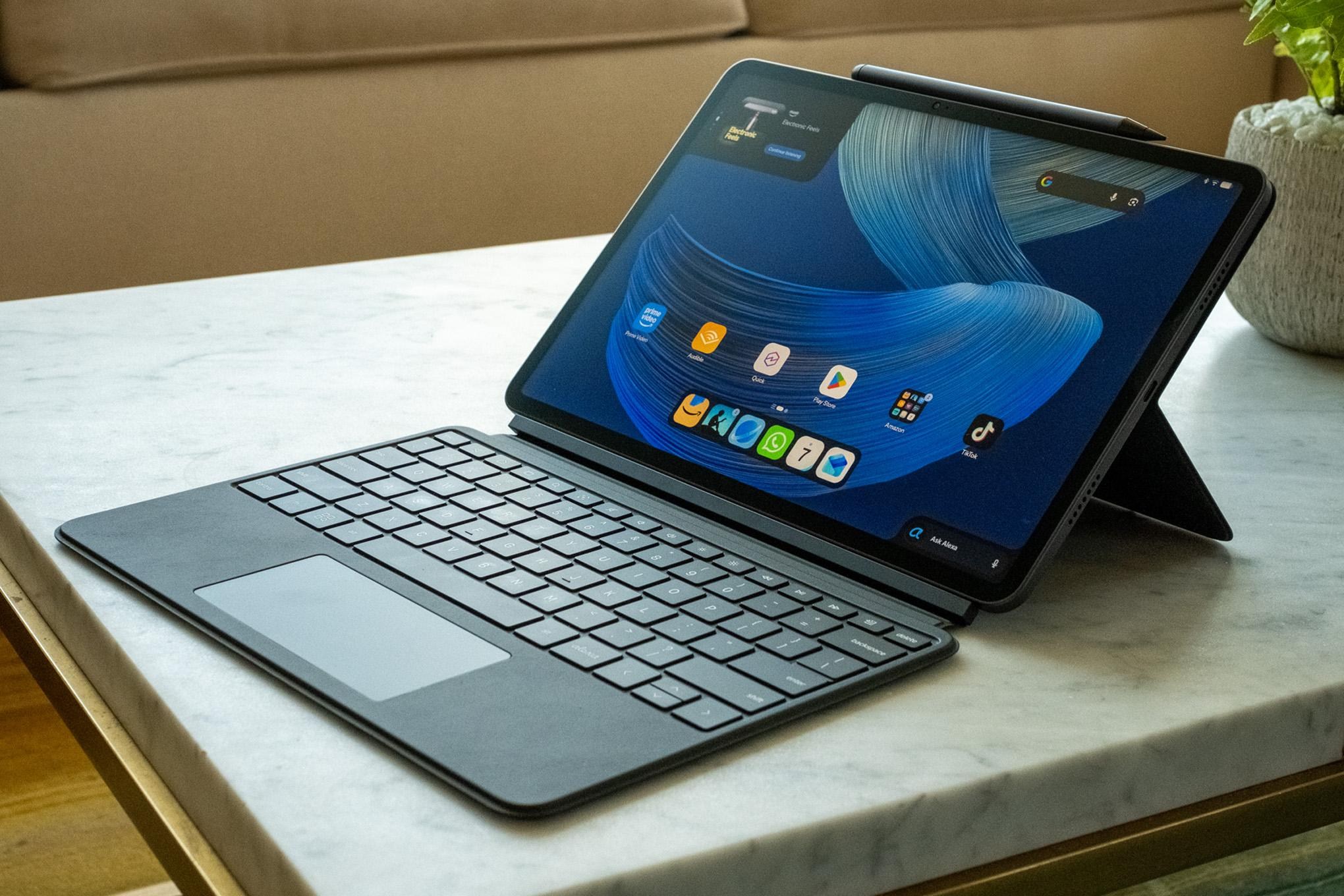
Amazon is killing the Fire. On 8 October 2026, the company's head of consumer electronics, Panos Panay, confirmed in an interview with Bloomberg that the Fire tablet line will be phased out and replaced by a new family branded as Alexa Tablets, running Android with full access to the Google Play store (The Verge, 8 October 2026; Ars Technica, 8 October 2026). The first wave is anchored by a flagship 12 Pro model starting at $499, alongside dedicated Kids editions, both of which drop Amazon's own app store in favour of Google's mobile marketplace (The Verge, 8 October 2026).
The move closes one of the longer-running walled-garden experiments in consumer electronics. Panay's framing of the decision, as carried by The Verge, is blunt: the Fire line was not "giving customers what they were asking for," and the answer is Android (The Verge, 8 October 2026). For more than a decade that trade worked on price: The Verge notes that Fire tablets were notable for being dirt cheap, even if they did not offer a premium Android experience (The Verge, 8 October 2026). What is changing is not the price ambition but the software underneath it.
What changed at the customer end
The Verge's hands-on with the $499 Alexa Tablet 12 Pro zeroes in on the hardware story: a new matte display, premium chassis work, and an obvious pitch at the iPad tier that previous Fires never touched (The Verge, 8 October 2026). Ars Technica reads the same device as "more Android than ever," with Google Play in place and Amazon's own app store quietly killed off (Ars Technica, 8 October 2026). The Kids tablets follow the same logic: parents get Google Play access, alongside per-kid content controls and the familiar Amazon kid-proof case (The Verge, 8 October 2026).
Read in strategy terms, the available reporting suggests Amazon has concluded that the cheap-end, ecosystem-as-moat formula no longer earns the trade-off. Monexus analysis: Panay's characterisation of Fire as not giving customers what they were asking for reads as an admission that the walled software had stopped fitting the Android-shaped expectations customers arrive with, set by phones, Chromebooks and the wider Google account (The Verge, 8 October 2026).
What Amazon keeps, and what it gives up
The play is not a surrender of hardware. It is a swap of the moat. With Android and Google Play in place, Amazon cedes the take-rate it used to extract on app and in-app purchases routed through its own store, and the default-screen real estate its apps used to occupy out of the box. In exchange it gains a tablet that loads the third-party streaming and productivity apps the previous Fire line could not host without side-loading. The Verge's hands-on explicitly contrasts the new device with the older Fire proposition, noting that previous Fires did not offer a premium Android tablet experience (The Verge, 8 October 2026).
The monetisation path now runs through services, not through the till at first sale. The Alexa brand itself is doing more work than Fire ever did on the box, which on the published evidence is a small indicator that the company expects the AI assistant's name to carry cross-device recognition the app store once supplied.
The platform-governance read
The shift matters beyond Seattle. For years the Fire tablet sat at the awkward edge of the Android ecosystem: a fork licensed-compatible enough to claim Android status, and walled enough to extract rents. Killing the fork is, on the published evidence, a customer-driven decision. It is also a quiet concession that in the tablet category the network effect belongs to whoever owns the app store, and that the one major Android device-maker which spent years trying to opt out is no longer winning that argument on its own. The choice signals that Google Play's gravitational centre has hardened even for the platform's most determined internal dissenter.
Stakes and what to watch next
The near-term test is the holiday quarter. If the Alexa Tablet 12 Pro sells on premium merits and not on Fire-style discount volume, Amazon's hardware P&L gets healthier and the strategy is durable. If it lands as a price-cut Fire by another name, the bet flops and the company will be tempted back into its own garden for the next cycle. The available source items do not specify launch volumes, regional rollout dates or unit-economics figures, so the verdict will have to wait on Amazon's next earnings cycle and on the first wave of retailer-channel data.
Two readings are worth keeping in mind. The first is that this is the natural end-state of a maturing category: tablet buyers want the apps they already pay for elsewhere, and the only durable response is to stop fighting that. The second is the more pointed one. The company that built the most successful third-party mobile storefront in the West is now shipping Google Play out of the box. That fact, on its own, is the data point.
Desk note: Monexus has framed this as a platform-strategy story rather than a product launch, on the view that the Fire-to-Alexa transition is more interesting as evidence about the shape of the Android ecosystem than as a hands-on review of one tablet.
Wire provenance
This editorial synthesis draws on the following public wire/social posts:
- https://www.theverge.com/tech/1008059/amazon-phasing-out-fire-tablet-panos-panay
- https://arstechnica.com/gadgets/2026/10/amazons-new-alexa-tablets-drop-the-fire-branding-but-are-more-android-than-ever/
- https://www.theverge.com/tech/1007768/amazon-kids-tablet-android-kid-proof-case-google-play
- https://www.theverge.com/tech/1007473/amazon-alexa-tablet-12-pro-nanomatte-hands-on
- https://t.me/theverge_news/9400
- https://t.me/theverge_news/9388
- https://t.me/theverge_news/9386
- https://www.theverge.com/tech/1008059/amazon-phasing-out-fire-tablet-panos-panay
- https://arstechnica.com/gadgets/2026/10/amazons-new-alexa-tablets-drop-the-fire-branding-but-are-more-android-than-ever/
- https://www.theverge.com/tech/1007768/amazon-kids-tablet-android-kid-proof-case-google-play
- https://www.theverge.com/tech/1007473/amazon-alexa-tablet-12-pro-nanomatte-hands-on
- https://t.me/theverge_news/9400
- https://t.me/theverge_news/9388
- https://t.me/theverge_news/9386