Zelenskyy presses partners on assets and a Putin summit, as aviation claims 55–60% drone kill rate
Three TSN posts on 17 October 2026 sketched a diplomatic package: a US plan to unfreeze Russian assets, a summit that would put Zelenskyy in the room with Putin, and a strategic verdict that Moscow's goal is the destruction of Ukraine.
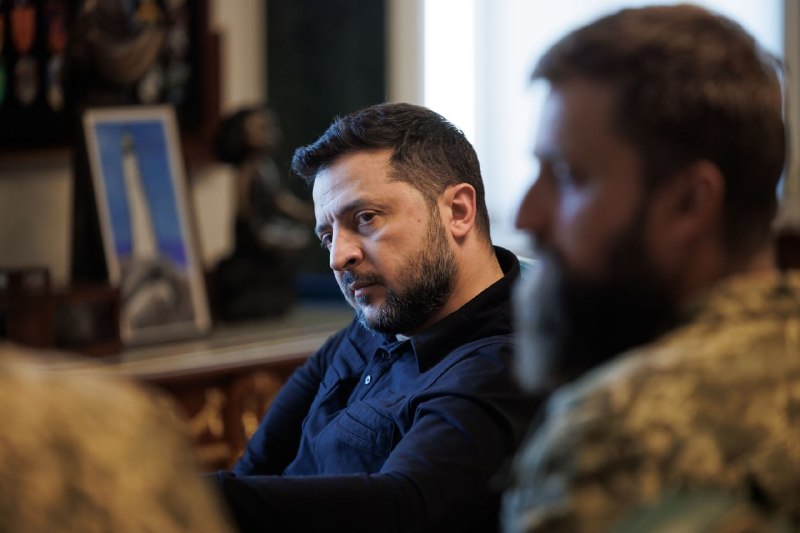
At 13:14:52 UTC on 17 October 2026, the Ukrainian outlet TSN posted the first of three Zelenskyy items that, read together, amount to a working theory of the war: the United States is putting a proposal on the table to unfreeze Russian sovereign assets. Seven seconds later, at 13:14:59 UTC, a second TSN post said partners are preparing a summit that would put President Volodymyr Zelenskyy in the same room with Vladimir Putin. A third post, at 13:15:08 UTC, sharpened the strategic verdict, with Zelenskyy arguing that Russia's objective is the destruction of the Ukrainian state. Three items in sixteen seconds. The sequencing matters, because the financial lever leads, not the diplomatic opening, and the bracket around the bracket is the moral frame.
The midmorning press cycle produced a set of statements that read, at first glance, in tension. Read together, they amount to a working theory of the war: Moscow is not bargaining; the allies' sanctions architecture is being eyed for selective relief; and a leader-to-leader meeting is on the table before Ukraine's Western backers consider Kyiv's position on Russian assets resolved. The thread that runs through the cycle is the cost of escalation, in lives on the Lyman direction and in capital locked in Western depositories.
The order of the press cycle, and what the order signals
The first item out of the day's press cycle, posted by TSN at 13:14:52 UTC, was the financial stakes: a US proposal to unfreeze Russian sovereign assets, and Zelenskyy being asked whether the move carries risks for Kyiv. The next post, at 13:14:59 UTC, framed the diplomatic opening: partners are preparing a summit that would put Zelenskyy in the same room with Putin. The third post, at 13:15:08 UTC, carried the harder line: Putin's stated goal, in Zelenskyy's reading, is the destruction of Ukraine.
The order matters. The money comes first, the diplomatic carrot second, the strategic verdict third. That sequencing suggests the briefings were designed to bracket a financial concession with a denial and a risk, then close on the moral case against conceding at all. Zelenskyy did not announce a date or venue for any summit, and the available posts do not specify which partners are engineering the meeting or which US instrument is under consideration. The available source items do not specify who is convening the track, where it would be held, or on what terms.
Monexus analysis: leading with the frozen-assets question on the same day as a Putin-summit headline tells readers that the assets file is being treated as leverage, not bookkeeping. Whether the proposal is used to extract movement from Moscow, or as a sweetener to bring Kyiv to a meeting it would otherwise refuse, is the variable that will determine Ukraine's exposure over the next quarter.
Counter-fire: a Ukrainian FPV strike and an air-defence claim
While the political track was being drawn, the kinetic war was being fought. At 12:29 UTC on 17 October 2026, the WarTranslated channel posted footage described as a Ukrainian first-person-view (FPV) drone strike that killed three Russian personnel on the Lyman direction. The available posts do not specify the location, geography, or history of the Lyman direction beyond the direction label itself.
Air defence was the more telling number of the day. At 12:33 UTC on 17 October 2026, hromadske carried a Zelenskyy statement that Ukrainian aviation is shooting down between 55 and 60 percent of Russian jet-powered drones, a figure the president attributed to a "decent" supply of ammunition for F-16 fighter jets supplied by Ukraine's partners. The statistic is a partial one. It covers only the share intercepted by manned aviation, not by mobile surface-air missile teams or by electronic warfare, and it is a presidential claim, not an audited air-force return. Read against the wartime reality that Russian one-way attack drones have become a near-nightly feature of the war, an aviation-only interception rate above half is a real operational claim and a reminder that the F-16 fleet has been integrated into a layered, not a stand-alone, air defence.
The frozen-assets question, in plain terms
The first leg of the press cycle, carried by TSN at 13:14:52 UTC, was also the most consequential for Kyiv's back-office. A US proposal to unfreeze Russian sovereign assets: Zelenskyy was asked whether it carries risks. The available posts do not specify the form of the proposal. They do not name the dollar volume under consideration, the legal instrument, or the counterparty. That distinction matters in principle; the thread evidence does not speak to it.
Monexus assessment: framing the question on a day when Zelenskyy is also being asked to consider sitting down with Putin signals that the asset question is being treated as a political object, not a financial one. Whether the proposal is leveraged for leverage on Moscow, or as a sweetener for Kyiv to accept a deal it would otherwise reject, is the variable that will determine Ukraine's exposure. The available source items do not specify whether the US proposal had been raised publicly before 17 October 2026, whether European allies have weighed in, or whether allied capitals have coordinated a common position.
What remains unresolved
Several pieces are missing from the public record of the day. The available posts do not specify which partners are preparing the Zelenskyy-Putin summit, what the agenda would be, or whether Ukraine's Western backers have coordinated a common position ahead of any meeting. They do not name the exact US instrument under consideration for Russian sovereign assets, nor do they specify the volume of assets that would be touched. The 55 to 60 percent drone interception rate is a presidential figure, not an independently audited air-defence return, and the Lyman strike is reported by a single source with footage that has not been independently verified. Each of these is a known unknown. Readers watching this file should expect clarification, or contention, in the days ahead, based on the desk's reading of how these files have moved in prior cycles; that is Monexus's expectation, not a sourced timeline.
Desk note: Monexus framed the day's three Zelenskyy items as a single diplomatic-financial package, because the close grouping of the timestamps suggests they were distributed as one. The actual chronological order was assets at 13:14:52 UTC, summit at 13:14:59 UTC, destruction verdict at 13:15:08 UTC, and the article reflects that ordering. Telegram-channel sourcing carries the caveats that always apply to frontline reporting: relays can compress quotes, and single-source footage is treated as corroboration of direction rather than of detail. Where the thread did not speak to a detail, the article says so rather than filling the gap.
Wire provenance
This editorial synthesis draws on the following public wire/social posts:
- https://t.me/TSN_ua/596009
- https://t.me/TSN_ua/596015
- https://t.me/TSN_ua/596022
- https://t.me/hromadske_ua/89623
- https://t.me/wartranslated/19545
Follow the event.
These dated source records provide context. They do not retrospectively verify this archive article.
A dated voting record is evidence of one decision. Use the original UN record before turning it into an alignment label.
Visual explainer · historical vote of 2022-03-02 →