Canada and EU drop associate membership plan ahead of Montreal summit
Canada and the European Union will pursue closer ties but have dropped a proposal for associate EU membership, according to a joint declaration ahead of a two-day summit in Montreal.
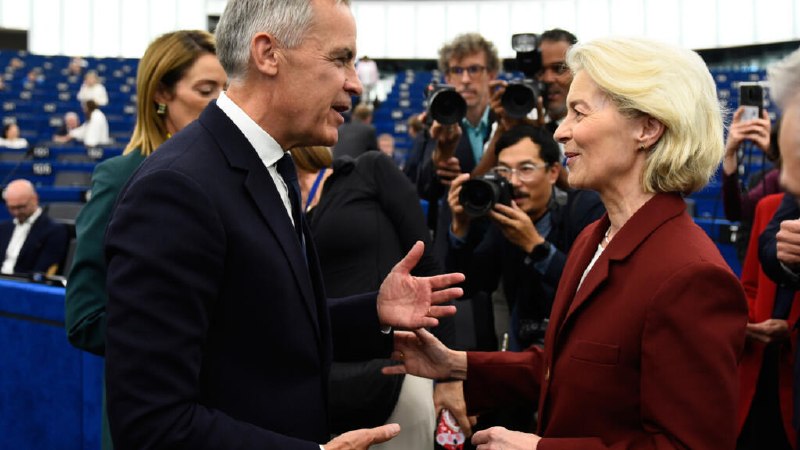
At 00:56 UTC on Thursday, 29 October 2026, France 24 reported that Canada and the European Union would pursue closer ties while dropping a proposal for associate EU membership. The change appears in a joint declaration issued ahead of a two-day summit that opens the same day in Montreal. The broadcaster’s French-language service framed the meeting as an effort to seal “an unprecedented rapprochement,” and its summary adds that the EU is expected to drop the plan because of reluctance from several member states, Germany among them. Read together, the two accounts describe a retreat that owes as much to caution inside the bloc as to any shared design. The most ambitious option is off the table, and what replaces it is a pledge whose substance is only partly laid out.
This article argues that the dropped proposal is better understood as a concession to constraint than as a clean design choice, and that the summit’s credibility will depend on what the cooperation contains rather than on the word “rapprochement.” The English-language summary presents the change as part of a joint declaration committed to closer ties. The French-language summary places the pressure inside the EU. Monexus analysis: a relationship can be substantive without a formal status, but a flexible arrangement earns the description “closer” only if it carries dates, mechanisms and obligations. The thread contains no text of the declaration, so the reading below rests on two broadcast summaries and on the structure of the arrangement they describe.
What the declaration changed
The English-language item is brief. It reports that the two sides will pursue closer ties, that they have dropped the proposal for associate EU membership, and that the declaration was issued ahead of Thursday’s summit in Montreal. Associate membership was a proposal rather than a settled outcome, so its removal is best read as a decision about the framework of the relationship, not as a rupture during the meeting itself.
The French-language summary is more specific about content. It states that the summit aims to expand cooperation on strategic matters, and it names four areas: strategic minerals, digital trade, research and youth mobility. Monexus analysis: these are areas where cooperation can be measured, which makes the absence of timetables in the summaries more consequential. Most of the work in such areas tends to sit with ministries and agencies rather than in headline commitments. The thread does not establish whether any of the four carries a timetable, a budget or a named lead institution.
Reluctance in Brussels and the case for flexibility
The French-language summary attributes the expected drop to reluctance from several member states, including Germany. The thread does not specify the reasons behind that reluctance, and this article has not verified the legal or political objections that other reporting on the day may describe. That gap matters. If the membership option was dropped because capitals were uneasy about the precedent it would set, the declaration’s language about closer ties reads as a way of keeping the relationship intact while the most contested element is removed. If it was dropped for reasons of practicality, the reading is different. The thread supports neither conclusion on its own.
The case for flexibility is real and should be stated plainly. A cooperation agreement short of membership lets each side keep its own regulatory autonomy and its own decision-making, and it avoids open-ended obligations that would be hard to unwind. Governments that want deeper ties without committing to a framework they would then have to defend at home have a clear reason to prefer exactly this kind of arrangement. Advocates of the larger ambition would answer that the language of cooperation is the easiest to promise and the hardest to keep, and that a formal status supplies the predictability goodwill cannot. Both arguments are about durability. They differ on whether a legal anchor or a flexible contract is the better guarantee of it.
Middle powers and the limits of partnership
Monexus analysis, offered as a reading rather than a finding: a partnership built around named sectors fits a broader practice in which large economies pursue cooperation without seeking formal membership in one another’s institutions. The logic is practical. Membership in a supranational bloc takes years to negotiate, is hard to exit and is politically costly to explain. A cooperation text can target particular sectors, be revised without reopening a founding treaty, and be described in the vocabulary of partnership rather than accession.
Canada’s position is structurally different from that of a member state. It sits outside the bloc’s decision-making, which means that any cooperation on minerals, digital trade or research will depend on the EU’s internal processes and on agreements Ottawa can shape but not vote on. A reading in which the dropped proposal reflects a shared judgment that contracts are more manageable than accession is possible, but the thread does not establish it. What the thread does establish is that the relationship will be governed by documents, and that the quality of those documents will set how far the word “closer” can be taken.
What Montreal has to deliver
The summit’s real test arrives when the declaration’s language meets implementation detail. A text that names four areas without dates, responsible officials or review points will read as a statement of intent. A text that specifies how the sides will meet, what they will measure and what happens when they disagree will read as a working relationship. Neither outcome can be assessed against the document itself, because the thread contains only summaries. The thread also does not establish which industries or ministries would gain most from the four areas, so any claim about winners and losers would be speculation at this stage.
The nuance is plain. The two broadcasts differ in emphasis: the English item leads on the dropped membership plan, while the French item leads on the idea of an unprecedented rapprochement and adds the member-state reluctance. The thread does not specify the declaration’s operative clauses. The available source items do not specify the reasons for the withdrawal in the words of either government. Those are the points the next round of reporting should test, starting with the published text.
The most useful thing the declaration can do is make the word “cooperation” costly to misuse. Put dates in it, name the officials who answer for each area, and say what happens when the two sides disagree. Monexus analysis: without those elements, Montreal may trade the most ambitious option for the least accountable one.
Desk note: Monexus worked from France 24’s English and French summaries of the joint declaration rather than the declaration itself, and it treats the “rapprochement” language as a headline characterisation rather than a description of agreed substance.
Wire provenance
This editorial synthesis draws on the following public wire/social posts:
- https://www.france24.com/en/europe/20261029-canada-and-eu-drop-associate-membership-plan-in-bid-to-deepen-ties
- https://t.me/france24_en/19155
- https://t.me/france24_fr/23839
- https://f24.my/CFVf.g
- https://f24.my/CFVW.g