Reznor and Ross Score Fincher's Next Film, Their Sixth Collaboration
According to Variety, Trent Reznor and Atticus Ross will score David Fincher's new film, The Further Mis-Adventures of Cliff Booth, which Pitchfork describes as their sixth collaboration.
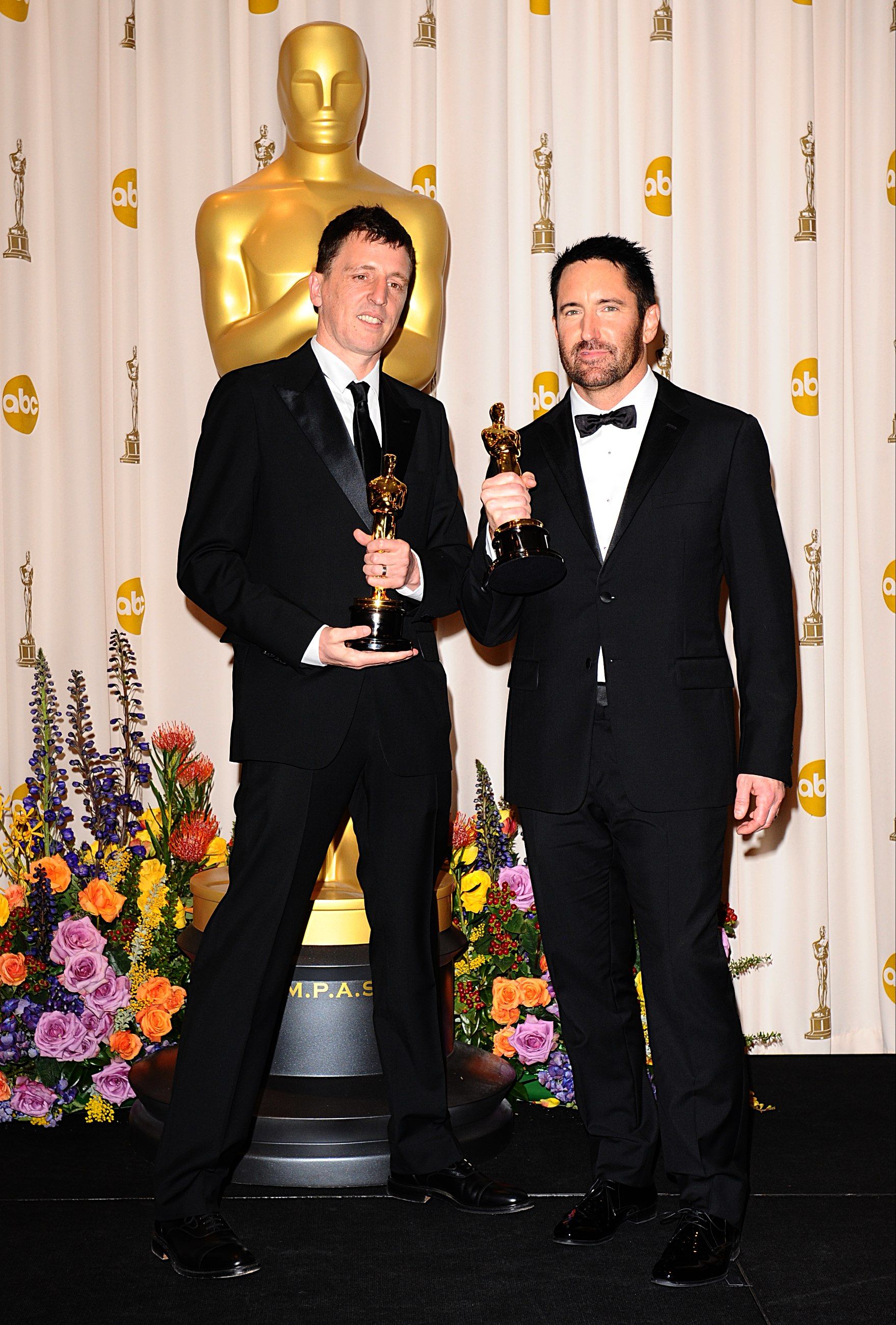
A Variety item time-stamped 02:07 on 3 November 2026 reported that Trent Reznor and Atticus Ross will score David Fincher's new film, The Further Mis-Adventures of Cliff Booth. Pitchfork had logged its own report on the pairing at 18:39 on 2 November 2026, under a headline that files the news among Fincher's films and a dek calling the project the duo's sixth collaboration. Two outlets, one announcement, and a count that now runs long enough to look less like coincidence than like method. The news is modest on its face. Its shape is worth a closer look.
The sources confirm three things: the pairing, the film, and the count. They do not establish the cast, a release window, or the studio behind the project, and they do not explain how a partnership now in its sixth project began. What they do show is a director returning to the same two musicians instead of rotating through whoever is available. That habit matters more than the credit line. A composer who keeps getting hired by one filmmaker becomes part of how that filmmaker's movies sound, and sound is one of the few elements a director can hold constant across a career. This piece argues that the announcement is best read as evidence of a working relationship, not as a celebrity crossover.
Sixth time, same director
Variety introduces Reznor as a Nine Inch Nails principal and describes him and Ross as veteran film composers who are, in its phrasing, once again teaming up to score the picture. It identifies the project as David Fincher's new film and gives its title. Pitchfork uses the same title, and its headline, Trent Reznor and Atticus Ross Are Back at It, places the news squarely within Fincher's filmography. The two accounts agree on the basic facts, which is more than many entertainment announcements manage on the day they break.
Those descriptions do most of the work in establishing who is involved. Reznor's standing comes largely from his band, and many readers will know his name before they know his film credits. Ross is described in the sources as a film composer with a long career in that field. The partnership, on the account the sources give, is therefore not a rock performer lending his name to a movie. It is two working composers with a shared history returning to a director who has used them before.
Counting the new work as the sixth collaboration implies five earlier projects. The thread items do not list those projects, so this article will not name them. The arithmetic alone, however, is the detail both publications chose to lead with. Nobody counts a first collaboration as a milestone. A count of six suggests a relationship that has survived enough shoots to become routine, and routine is what a director relies on when he wants a score that does not need explaining.
Where the reporting stops
Both outlets are working from an announcement, and the thread gives no detail beyond it. The available source items do not specify the plot, the cast, the release date, or the studio or distributor. The thread also contains no quoted remarks from Fincher, Reznor or Ross, so this article attributes the pairing to the publications' reporting and does not treat any principal's own words as established. Two of the three items carry Pitchfork's story, one through its Telegram channel and one through its site feed, so the account of the pairing comes from two publications, one of which appears twice. The core facts survive that structure, but the certainty here should be read as resting on a narrower base than the count of items suggests.
A skeptical reader could file this as trade news with little lasting consequence. A score announcement for a film whose details are still thin is a small item by most measures, and a composer's name on a credit line rarely changes what a film costs or who ends up watching it. That reading has force. But it has to explain why the collaboration count, rather than the film's premise, sits in the dek. Either the publications think the partnership is the story, or they are reaching for the one fact they have in hand. The thread does not settle which.
Why the same two keep getting the call
Monexus analysis: the sources offer no account of why the collaboration has continued, so what follows is interpretation, not finding. A director who returns to the same composers across several films is choosing continuity over novelty, and the choice has a practical logic. A score is among the few elements of a production that can carry a filmmaker's signature without a line of dialogue. When the composer also commands an audience of his own, as Reznor does through Nine Inch Nails, the music arrives with a second set of associations before the first frame. The director gets a recognisable sound. The composers get a standing role in a body of work they do not have to pitch from scratch.
Monexus analysis, continued: prestige filmmaking runs heavily on repeat relationships. Editors, cinematographers and composers who understand a director's tolerance for silence, noise and ambiguity lower the cost of getting a film right, and they raise the odds that an audience will recognise the work on sight. That recognition is a creative asset until it hardens into a habit audiences can predict. Whether a sixth collaboration sharpens the partnership or dulls it is the question the announcement raises, and nothing in the thread answers it.
The framing deserves care. The source items describe Reznor by his band and Ross by his film work, and neither outlet, on the material supplied, presents the pairing as a crossover between pop and cinema. This article will not supply that framing either. The more interesting story is quieter. A director who keeps the same collaborators is making a claim about what his films should sound like, and the score is where that claim gets tested in public.
What to listen for
The desk's expectation is that the next concrete signals will be a release window, a cast list, or the first recorded music from the film, though the source items give no schedule and none of these is confirmed. Each would test the reading offered here. A score that carries the duo's recognisable textures into the new film would support the continuity argument. A score that departs sharply from their earlier Fincher work would suggest the partnership is being used more loosely than the sixth-collaboration count implies. Neither outcome can be predicted from the announcement alone.
The stakes are modest but specific. For Reznor and Ross, a sixth project extends a body of work that now has a visible through-line, which strengthens their claim to be treated as the default choice for the director's films. For Fincher, the partnership tests whether a long-running collaboration can keep producing scores that feel distinct rather than familiar. For viewers, the music may be the earliest signal of a film's tone, arriving before its premise is fully public. And for the trade press, a sixth-collaboration count is a ready-made hook for readers who already follow the partnership, which is one reason the number is likely to keep appearing in coverage.
A sixth collaboration is the point at which audiences stop hearing a composer and start hearing a director's habits. The first cue that reaches the public will show whether those habits still leave room for surprise.
Monexus treated this as a culture-desk item about a repeating working partnership, where the feed items report a credit announcement; the sources supply the pairing and the count, and this piece marks what the thread leaves unestablished.
Wire provenance
This editorial synthesis draws on the following public wire/social posts:
- https://variety.com/2026/music/news/trent-reznor-atticus-ross-score-david-fincher-cliff-booth-1236938107/
- https://pitchfork.com/story/trent-reznor-and-atticus-ross-david-fincher-mis-adventures-of-cliff-booth/
- https://t.me/pitchfork/29745
- https://ift.tt/rtFCo8d