Merz Marks One Year in Office as Germany Navigates Iran Crisis and Atlantic Rift
Chancellor Friedrich Merz completes his first year in office confronting dual challenges: condemned Iranian strikes on the UAE while managing what Reuters describes as a deep transatlantic crisis with Washington's shifting posture on European security.
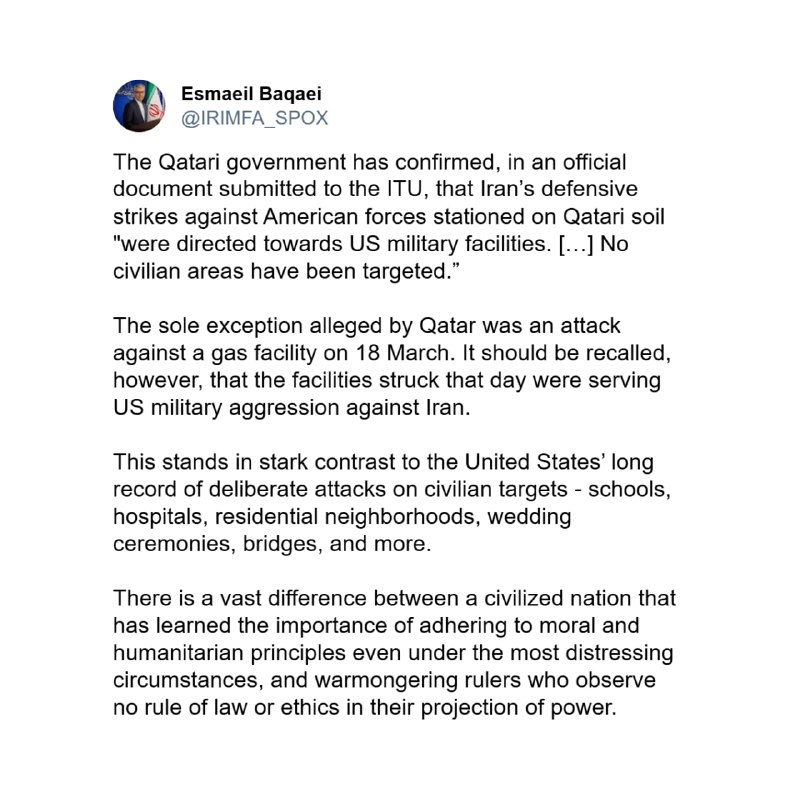
On 5 May 2026, German Chancellor Friedrich Merz marked one year in office at the helm of a government confronting its most complex foreign policy stretch since taking power. Within 24 hours of that anniversary, his administration issued sharp condemnations of Iranian drone and missile strikes targeting the United Arab Emirates — an escalation that drew urgent calls from Berlin for Tehran to return to diplomatic negotiations, according to reporting by Deutsche Welle.
The timing underscored a tension that has defined much of Merz's first twelve months: Germany projecting authority on multiple fronts simultaneously, while the transatlantic bond that underpins European security architecture shows visible strain.
Gulf Tensions and the Call for Dialogue
The Iranian strikes on the UAE represent a significant escalation in regional hostilities that have simmered for months. German government spokesman Steffen Hebestreit confirmed on 5 May that Berlin condemned the attacks and called for de-escalation, per Deutsche Welle's reporting. Chancellor Merz urged Iran to return to the negotiating table, a position that places Germany squarely behind Gulf Arab states that have demanded international accountability for the strikes.
The UAE itself has not yet issued a detailed public accounting of damage or casualties from the attacks, a gap that complicates diplomatic response. What is clear is that Berlin views the strikes as incompatible with regional stability and with Iran's existing obligations under various non-proliferation frameworks. Germany coordinates its response through the G7 and NATO channels, though formal alliance consultations had not concluded by the time of publication.
The German position reflects a broader European posture: condemnation without direct military commitment, diplomatic pressure backed by the threat of further sanctions. Whether that mix proves sufficient to influence Tehran's calculations remains the central question.
A Transatlantic Crisis That Won't Wait
The Iran crisis lands at a moment when Germany's ability to project diplomatic weight is already complicated by what Reuters describes as a "deep transatlantic crisis." Merz's first year in office has coincided with continued uncertainty about the durability of United States commitments to European security, a situation that has forced Berlin to accelerate conversations about strategic autonomy that once seemed theoretical.
The specifics of the transatlantic friction vary by policy domain. On trade, tariff disagreements have persisted. On defense spending, German commitments have faced scrutiny. On intelligence-sharing arrangements, post-2025 conversations have been described by European diplomatic sources as more transactional than their predecessors. None of these tensions are unique to Germany — France, Poland, and the Nordic states have all navigated similar pressures — but Berlin's size and central position in European institutions make its relationship with Washington uniquely consequential.
What the Reuters framing of a "deep crisis" captures is not necessarily a rupture but a recalibration: the assumption that American security guarantees would remain stable and automatic has weakened. Germany, like its allies, is managing a relationship in which the costs of European self-reliance are no longer abstract.
Structural Pressures Beneath the Headlines
The coincidence of an Iranian escalation and transatlantic tension is not random. A less predictable Washington creates space for regional actors to test boundaries, particularly in the Gulf, where Iranian decision-makers calculate how much turbulence they can exploit before facing unified pushback. A Germany distracted by its own diplomatic friction with the United States is, from Tehran's perspective, a Germany less capable of coordinating the kind of swift, unified Western response that proved deterrent in earlier crises.
The structural dynamic here is straightforward: multipolar uncertainty advantages actors who move quickly and accept risk, while allies who must first reconcile divergent interests among themselves respond more slowly. The G7 remains a powerful coordinating mechanism, but its effectiveness depends on alignment that is currently under stress.
European governments, including Berlin, have responded by deepening ties with non-NATO partners in the Gulf and Asia. These relationships have economic and diplomatic value, but they do not replicate the military deterrence that an engaged United States provides. For now, Germany and its allies are managing a transition in which the destination remains unclear.
What Comes Next
The immediate test for Merz will be whether the diplomatic pressure on Iran produces results. German officials have not specified what consequences Berlin would support if Tehran refuses to de-escalate, and the sources reviewed do not indicate a consensus within the coalition about the limits of patience. The chancellor's own remarks, as captured by Deutsche Welle, emphasize dialogue, but that emphasis may reflect tactical preference rather than a firm red line.
On the transatlantic front, the calendar offers limited relief. The next major bilateral engagement is likely to surface new demands — on defense spending, on burden-sharing arrangements, on trade imbalances — that Germany will need to address without appearing to capitulate to external pressure. Merz's political standing inside his own coalition is tied to his ability to demonstrate that Germany is not simply reacting to events but shaping them.
The Gulf crisis gives him an opportunity to show leadership on the international stage at precisely the moment when domestic attention has been split between economic concerns and the ongoing negotiations over the next欧盟 budget framework. Whether that opportunity translates into durable diplomatic influence depends on factors that extend well beyond one chancellor's first year.
This publication's coverage prioritizes German and Gulf-state official statements alongside wire reporting from Deutsche Welle and Reuters, rather than relying primarily on Western government framing of the Iranian actions. The structural context of transatlantic uncertainty receives explicit attention because it shapes the deterrence environment in which Gulf crises unfold.
Wire provenance
This editorial synthesis draws on the following public wire/social posts:
- http://reut.rs/48IDIfv
Follow the event.
These dated source records provide context. They do not retrospectively verify this archive article.
Separate what the nuclear watchdog reported from what it could not determine after the June 2025 strikes.