Iran Rejects US 'One-Page Deal' Proposal as Trump Declares Premature to Expect Accord
Tehran has delivered a pointed rebuff to recent US overtures, telling Washington through back-channels that the latest framework contains clauses it cannot accept — even as US officials signaled progress toward what some described as a near-final deal.
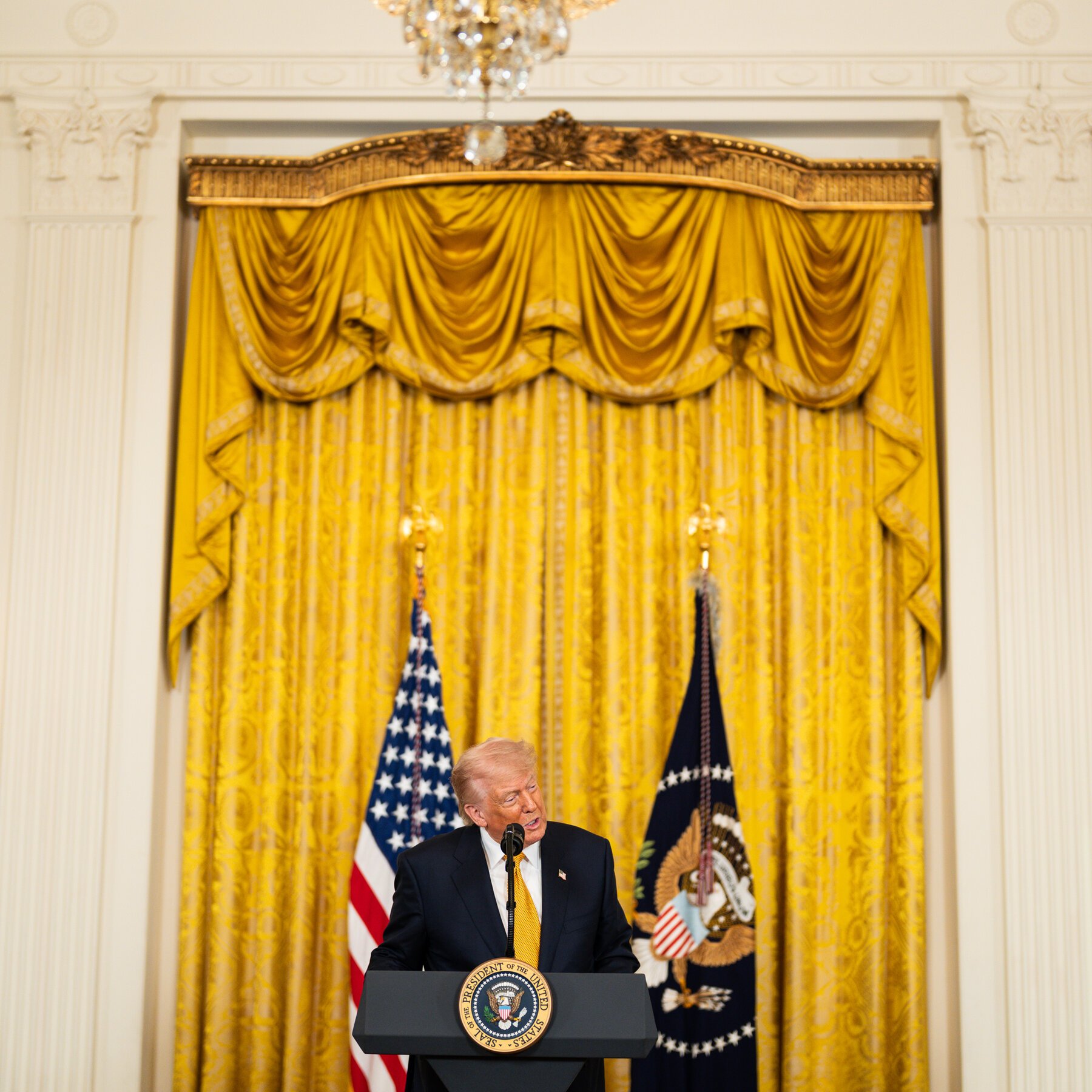
On 6 May 2026, Iranian state-aligned news agency Tasnim reported that Tehran has yet to formally respond to the most recent American proposal on the nuclear file — and that when it does, the answer will be negative. Citing an informed source, Tasnim described the US text as containing "unacceptable clauses," language that mirrors and sharpens a parallel account published by the ClashReport wire service an hour earlier. The same day, in response to press questions about whether a diplomatic breakthrough was imminent, President Donald Trump offered his own assessment: it is still too early, he said, to prepare for signing a peace agreement with Iran.
That confluence of Iranian rebuff and American caution defines the state of play as the two sides enter what both sets of officials describe as a critical phase of back-channel negotiation. The gap between the public framing on each side — Washington heralding quiet progress, Tehran insisting the document remains fundamentally flawed — has re-opened a familiar question: is the diplomatic window genuinely narrowing, or is the gap itself the negotiating position?
What Tehran Is Saying
The Iranian response, as conveyed through Tasnim and corroborated by the ClashReport account, amounts to more than procedural delay. The "unacceptable clauses" phrasing is precise. In diplomatic exchanges of this kind, such language typically signals objection not to ancillary matters but to core provisions — likely involving the scale of uranium enrichment permitted under any lifted sanctions, the timeline for nuclear-related monitoring, and the legal mechanism by which any agreement would be verified and reversed if Iran were found in breach.
The Iranian source cited by ClashReport went further, noting that Western media reports of a near-complete "one-page deal" served a domestic political function in Washington — that the characterisation of progress was partly aimed at justifying continued pressure on Tehran, rather than reflecting the substance of the talks. That interpretation is consistent with how Iranian officials have historically read American public messaging about negotiations: as instruments of domestic audience management first, diplomatic signal second.
The American Caution
Trump's statement at the podium was, by design or instinct, a candid counterweight to the optimistic framing that had circulated in the preceding 48 hours. Rather than projecting confidence, the President acknowledged the distance remaining between the two sides. That phrasing matters. It suggests the White House is not yet prepared to stake political capital on a deal it cannot deliver — a calculation that is both a diplomatic signal to Tehran and a political hedge against a negotiating failure.
Administration officials, speaking on background to multiple outlets, have described the current proposal as the most comprehensive framework either side has tabled since talks formally resumed. But comprehensive and final are different things. The US position, as reconstructed from recent public statements and background accounts, involves a quid pro quo that Iran has long characterised as asymmetric: significant sanctions relief in exchange for verifiable caps on enrichment that go further than the 2015 JCPOA framework. Iran, for its part, has consistently argued that any new agreement must recognise its right to enrichment under the Non-Proliferation Treaty and must not contain sunset clauses that expose the country to coercive snapback mechanisms.
What the Gap Reveals
The current standoff sits within a structural dynamic that is not new but has taken on sharper contours in 2026. The Trump administration's approach to Iran has oscillated between maximum-pressure rhetoric and the operational reality that complete diplomatic isolation of a country with 90 million people and a sophisticated nuclear programme is not a viable long-run position. Tehran knows this. Washington knows that Tehran knows it. The "one-page deal" narrative, as the Iranian source framed it, is one mechanism by which each side attempts to move the other — the US by projecting inevitability, Iran by puncturing it.
There is also a regional dimension. Any Iran nuclear deal does not exist in isolation from conversations about the country's network of regional proxies, its ballistic missile programme, and the concerns of US partners in the Gulf — particularly Saudi Arabia and the UAE, both of which have made clear through diplomatic channels that they view a revived or improved JCPOA primarily through the lens of their own security architecture. Those conversations are ongoing and, by most accounts, less advanced than the bilateral track.
Where It Goes From Here
The immediate trajectory is unclear. The Iranian side has not formally closed the door — a non-response is technically distinct from a rejection — but the language used by the Tasnim source carries the weight of a decision. What remains uncertain is whether Tehran is calibrating its response for maximum leverage before returning to the table, or whether it has determined the current US framework is outside the range of what any Iranian government, regardless of its political composition, could sell domestically.
The next ten to fourteen days will likely determine whether this round produces a new negotiating text or a pause. What is already clear is that the gap between the public narratives — Washington's carefully managed optimism, Tehran's pointed rejection — reflects a substantive disagreement about the terms, not merely the optics. A deal, if one comes, will require at least one of those sides to move further than it has publicly signalled willingness to do.
This article was filed from wire and agency reports. Monexus cross-referenced Tasnim, ClashReport, and the President's on-record statements to the press. Western diplomatic reporting on the state of the bilateral was consistent across outlets in substance, though framing differed.
Wire provenance
This editorial synthesis draws on the following public wire/social posts:
- https://t.me/wfwitness/18428
- https://t.me/ClashReport/14512
- https://t.me/englishabuali/31284
- https://t.me/abualiexpress/22191
Follow the event.
These dated source records provide context. They do not retrospectively verify this archive article.
Separate what the nuclear watchdog reported from what it could not determine after the June 2025 strikes.