Iran Parliamentarians Set Five Preconditions for US Dialogue
Senior Iranian parliamentarians said on 25 May 2026 that Washington must take five concrete confidence-building measures before any meaningful negotiation can begin, escalating pressure on the Trump administration's outreach.
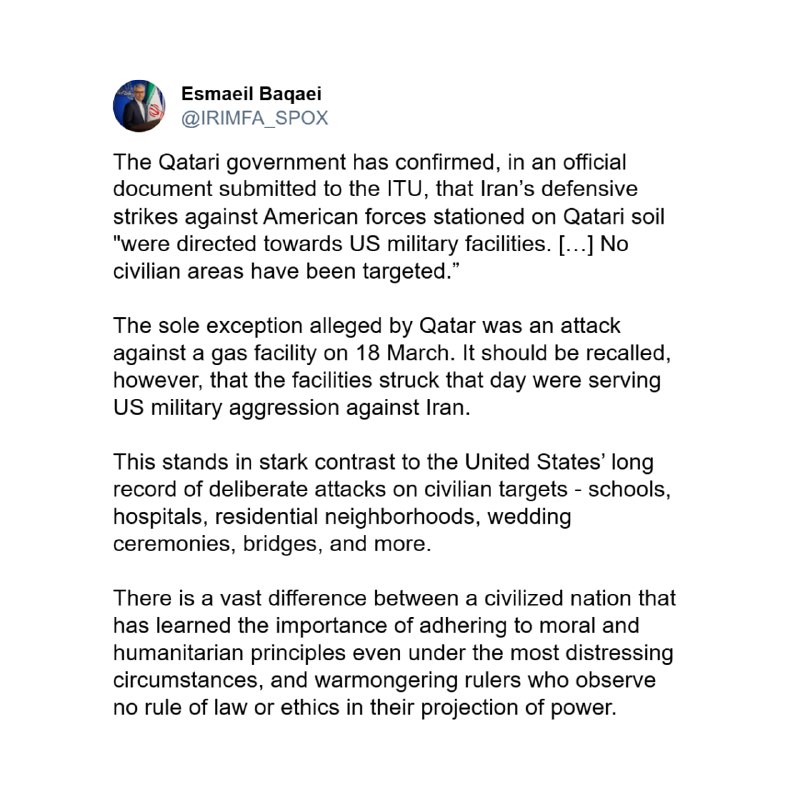
Iran's parliament has delivered a sharp rebuff to the Trump administration's renewed diplomatic overtures. Speaking in Tehran on 25 May 2026, the chairman of the National Security Committee said Washington must take five concrete confidence-building measures before any understanding with the United States can be described as a negotiation. The statements, carried by Iranian state news agencies, signal that whatever goodwill may have been generated by the ceasefire in the Ramadan war has not translated into a credible opening.
The framing from senior parliamentarians is unambiguous: the post-Ramadan landscape is fundamentally different from whatever engagement existed before. Even a hypothetical agreement, one official noted, would not resolve Iran's broader challenge with America — a distinction that suggests Tehran is managing expectations on both sides of the negotiating table.
The five measures
The parliamentary leadership declined to enumerate the five measures publicly, describing them only as steps Washington must take to demonstrate good faith. According to the chairman of the National Security Committee, without those measures in place, the word "understanding" has no meaning in the context of US-Iran talks.
The statements did, however, offer indirect clues. The chairman of the National Security Commission separately said Americans have not yet taken any action regarding the release of Iran's blocked resources — funds that have been frozen under international sanctions for years. That condition, at minimum, appears to be on the list. The broader context suggests the measures likely include partial sanctions relief, unfreezing of sovereign assets held in correspondent accounts, and some form of commitment not to escalate economic pressure during any talks.
The American approach
US officials have not publicly responded to the parliamentary statements. The ceasefire negotiated in the Ramadan war reportedly came with an American demand for simultaneous talks, issued in the second week of hostilities. Iran, according to the head of the National Security Commission, rejected that linkage — refusing to treat an end to fighting as contingent on entering a negotiation.
That distinction matters. Washington's framing appeared to treat the ceasefire and the diplomatic track as a single package. Tehran's response insisted on sequencing: confidence-building first, talks second. The gap between those positions remains wide.
Why this matters structurally
Iran holds an estimated $7 billion or more in frozen sovereign assets held in correspondent banks — funds that survived the 2015 nuclear agreement and the subsequent maximum-pressure campaign alike. Those assets represent both the prize and the lever: Iran needs access to them to stabilise a economy under severe strain; Washington needs their control as leverage to enforce whatever constraints emerge from any future arrangement.
The structural deadlock is familiar. Neither side gains from a permanent freeze, but both fear being the first to yield. Parliamentarians who publicly set preconditions — rather than letting diplomats handle them quietly — are playing to a domestic audience that has absorbed years of messaging about American bad faith. That domestic pressure limits what any negotiating team in Tehran can offer as a face-saving first step.
The road ahead
What the sources do not specify is which of the five measures Iran would consider most urgent, or whether there is a sequence within the list. That ambiguity may itself be deliberate — allowing Washington to choose a first step without Iran appearing to concede priority. The next few weeks will test whether the administration treats the parliamentary statement as a negotiating position to be worked through, or as a closing of the door.
Regional intermediaries — Oman and Qatar have handled previous back-channels — are likely to be the conduits for any clarification. Whether that channel opens before the parliamentary posturing hardens into a durable position is the central question now.
This publication sourced Iranian parliamentary statements and Reuters reporting. Wire framing focused on ceasefire logistics; we prioritised the negotiation preconditions set by Tehran.
Wire provenance
This editorial synthesis draws on the following public wire/social posts:
- https://t.me/tasnimnews_en/45678
- https://t.me/tasnimnews_en/45676
- https://t.me/farsna/23441
- https://t.me/tasnimnews_en/45674
Follow the event.
These dated source records provide context. They do not retrospectively verify this archive article.
Separate what the nuclear watchdog reported from what it could not determine after the June 2025 strikes.