Hezbollah's Video Release and the Messaging War Along Israel's Northern Border
Hezbollah's decision to publish footage of a May 30 rocket barrage operation — rather than let it pass unremarked — is itself a signal. The question is who the message is addressed to, and what response it is designed to provoke.
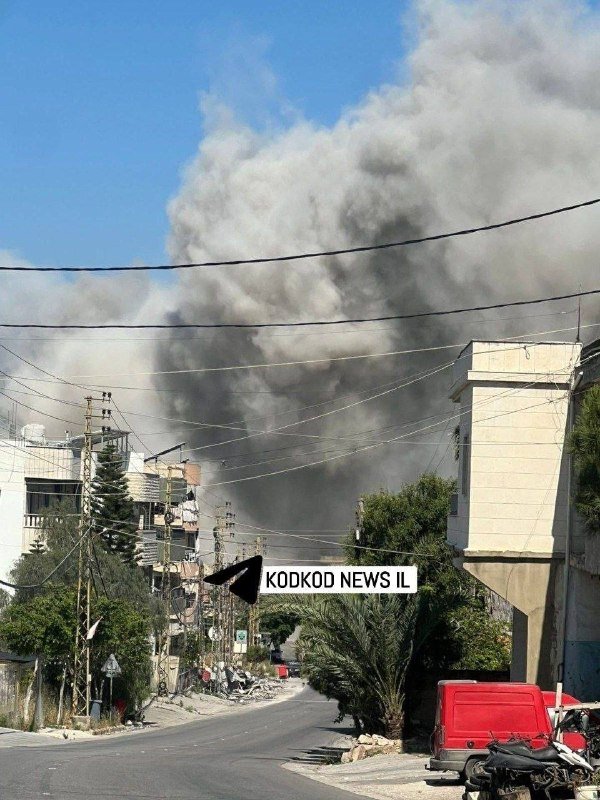
The stakes of the June 2 release extend beyond the immediate military calculation. An information environment in which armed groups publish verified footage of cross-border operations — routinely, strategically, with clear production quality and distribution calendars — changes the terms of conflict reporting. It reduces the asymmetry between military actor and media consumer that typically applies to non-state groups. It creates a record that can be cited, replayed, and used in subsequent diplomatic or legal contexts. And it shapes the perceptual environment in which decision-makers on all sides operate.
Hezbollah's video does not alter the military balance along the northern border in any measurable way. What it does is keep the northern front alive as a topic of attention — for Lebanese audiences, for Israeli voters, for Washington officials weighing whether to pursue a sustained diplomatic stabilization framework or allow the current pattern of low-intensity exchange to continue. The release is a communications operation in the fullest sense: designed not primarily to damage the target, but to manage the perception of the conflict itself.
Whether that strategy serves Hezbollah's broader strategic interests — or whether it increases the probability of an Israeli decision to escalate in response to the perceived normalization of cross-border strikes — remains the central open question. The footage answers one question: what Hezbollah did on May 30. It does not answer the more consequential one: what that decision, made on June 2 to publish it, says about what comes next.
The sources cited in this article do not include independent verification of payload type, interception rates, or civilian impact from the May 30 operation. Monexus will update this analysis as additional reporting becomes available.
Wire provenance
This editorial synthesis draws on the following public wire/social posts:
- https://t.me/thecradlemedia
- https://t.me/wfwitness
- https://t.me/alalamarabic
Follow the event.
These dated source records provide context. They do not retrospectively verify this archive article.
Separate what the nuclear watchdog reported from what it could not determine after the June 2025 strikes.