Israeli Airstrikes Hit Southern Lebanon Towns as Hezbollah Claims Ground Confrontation
Israeli warplanes struck two towns in southern Lebanon on June 2 as the IDF dispatched helicopters to evacuate wounded soldiers, with Hezbollah claiming it forced a retreat from the Hadatha area — an assertion that could not be independently verified.
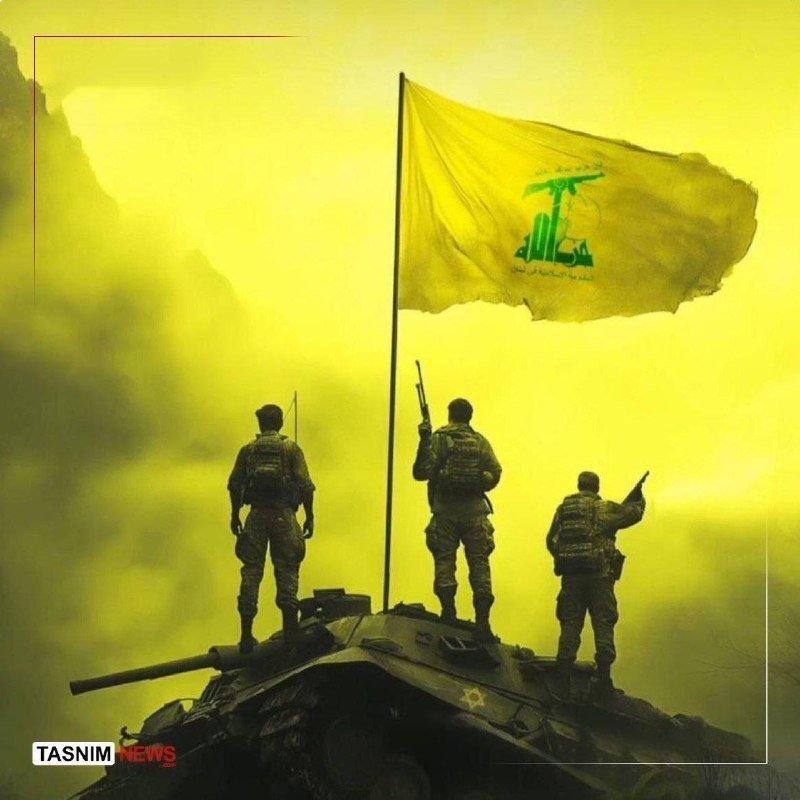
Israeli aircraft struck two towns in southern Lebanon on June 2, 2026, according to Arabic-language reporting by Alalam, in one of the more intensive single-day exchanges along the border in recent months. The strikes targeted Al-Tiri and Hadatha — communities that have endured repeated Israeli overflights and artillery dueling throughout the preceding period.
Military helicopters were subsequently dispatched to the southern Lebanese area to evacuate wounded personnel, Tasnim News English reported, citing Hebrew-language media accounts that documented the evacuation flights. The IDF confirmed injuries during ground operations but provided limited details on the scope of casualties.
Hezbollah claimed it forced an Israeli military withdrawal from the Hadatha area, asserting that mounting casualties prompted the retreat — a version of events that could not be independently verified at time of publication. At least eight Israeli soldiers were injured in two separate Hezbollah attacks using explosive-laden quadcopters, according to Tasnim News.
What both sides are saying
The Israeli military confirmed it conducted airstrikes in southern Lebanon on June 2 and acknowledged that personnel were wounded during ground operations in the border area, without specifying the number or severity of injuries. The IDF Spokesperson unit has provided no further public statement as of 17:00 UTC on June 2.
Hezbollah's media operation released a statement asserting its fighters had engaged Israeli ground units near Hadatha and forced a retreat as casualties accumulated. The group's war-making arm, the Islamic Resistance, has claimed repeated attacks on Israeli positions in recent weeks, framing its operations as defensive retaliation for Israeli strikes on Lebanese territory. Neither claim can be independently corroborated from the sources available to this publication.
Tasnim News English, an Iranian state-linked outlet, reported that Israeli military helicopters were sent to the south of Lebanon to transport the wounded — a detail consistent with footage circulated on Israeli Hebrew-language social media accounts.
The escalation pattern
The strikes on Al-Tiri and Hadatha follow an escalation in cross-border exchanges that has accelerated since early 2026. Israeli aircraft have conducted repeated raids on southern Lebanese villages, while the IDF has pushed ground patrols into areas that have been nominally under Lebanese state control since the 2006 war. The escalation comes against a backdrop of stalled ceasefire negotiations, with both sides increasingly relying on military pressure to shape any eventual diplomatic outcome.
Israeli officials have said repeatedly that the military will act to prevent Hezbollah from reconsolidating near the border — an objective the group interprets as a permanent casus belli. Hezbollah, for its part, has maintained it will not accept any arrangement that does not include a full Israeli withdrawal from the disputed Shebaa Farms area and a commitment to halt Israeli overflights. Those positions remain as far apart today as they did when United Nationsmediated talks collapsed in 2023.
The strikes on civilian-populated towns carry structural consequences beyond the immediate military tally. Al-Tiri and Hadatha are not Hezbollah staging grounds — they are residential communities. Israeli strikes on such areas have drawn criticism from Lebanese government officials and UN special coordinators, who warn that each strike erodes whatever remains of the deterrent architecture that kept the 2006 war's aftermath relatively stable for nearly two decades.
Regional context and the limits of containment
Southern Lebanon shares a border with northern Israel, a strip of territory that has seen thousands of residents on both sides displaced by the sustained hostilities. Israeli communities within rocket range of the border have been evacuated since October 2023; Lebanese villages have been subjected to repeated overflights, drone surveillance, and artillery fire that has damaged homes, agricultural infrastructure, and community facilities.
The escalation is not occurring in isolation. Israel's prolonged ground campaign in Gaza has extended IDF operational bandwidth into multiple theaters simultaneously, with the northern front absorbing the residual capacity. Hezbollah, which drew heavily on Iranian supply lines for its rocket and missile inventory, has adapted by deploying unmanned systems and short-range rockets that are harder to intercept than the longer-range projectiles it used in the 2006 war. The quadcopter attacks reported on June 2 are consistent with that adaptation — precise enough to target personnel, difficult to intercept with existing air-defense configurations.
Iranian state media framing of the events casts Hezbollah's actions as resistance to occupation — language that will resonate in Tehran and among the group's regional allies but carries little weight in Tel Aviv or Washington. The Israeli government has consistently rejected the framing that its operations in southern Lebanon constitute occupation, insisting its actions are defensive and proportionate responses to an armed group that refuses to accept the terms of UN Security Council Resolution 1701.
What comes next
The immediate question is whether the June 2 exchanges represent a new threshold or a continuation of the calibrated attrition that has defined the conflict since early 2026. Hezbollah has shown no appetite for a full-scale war that would devastate its own base constituencies in southern Lebanon and bring overwhelming Israeli firepower against its infrastructure. Israel, for its part, has preferred sustained pressure over a large-ground invasion that would impose high casualties on its own forces and further strain the country's political consensus on the war's objectives.
That equilibrium is increasingly fragile. Each exchange ratchets the pressure on both sides to demonstrate resolve, particularly as domestic constituencies grow restless with the indefinite displacement and economic strain that the border situation imposes. Israeli officials facing elections have little political cover to accept a ceasefire that does not demonstrably alter Hezbollah's position near the border. Hezbollah's leadership, under parallel internal pressure, cannot appear to accept terms that do not include a credible Israeli commitment to halt overflights.
The helicopter evacuation reported by multiple Iranian state-adjacent sources signals that the IDF took confirmed casualties during the June 2 operations — an outcome that will sharpen internal debate in Israel about whether the current approach is achieving its stated goals. If the pattern of strikes and counter-strikes continues, both sides will face mounting pressure to escalate, regardless of whether either genuinely desires a wider war.
The available sources do not include casualty figures from the Lebanese side of the border, nor independent verification of the extent of damage in Al-Tiri and Hadatha. Israeli authorities have not released a statement on civilian harm resulting from the strikes. Lebanese state media has not provided a comprehensive damage assessment. This publication will continue to monitor reporting from wire services and regional media as it becomes available.
This publication sourced Israeli military activity as the primary frame of the June 2 events, with Hezbollah's counter-claim incorporated as a secondary perspective. The sources available do not include Western wire reporting or IDF Spokesperson confirmations; the Iranian state-adjacent sources provided the most granular detail on the day's exchanges. Monexus notes that independent verification of ground conditions in southern Lebanon remains severely limited.
Wire provenance
This editorial synthesis draws on the following public wire/social posts:
- https://t.me/alalamarabic/37482
- https://t.me/tasnimnews_en/49817
- https://t.me/JahanTasnim/41023
- https://t.me/FarsNewsInt/29341