Knicks one win from first title in 53 years as viral Finals collide with Spurs' last stand
Game 4 of the 2026 Finals became the most-watched NBA game on record online. Game 5 now decides whether the Knicks end a 53-year drought or hand the Spurs a reprieve.
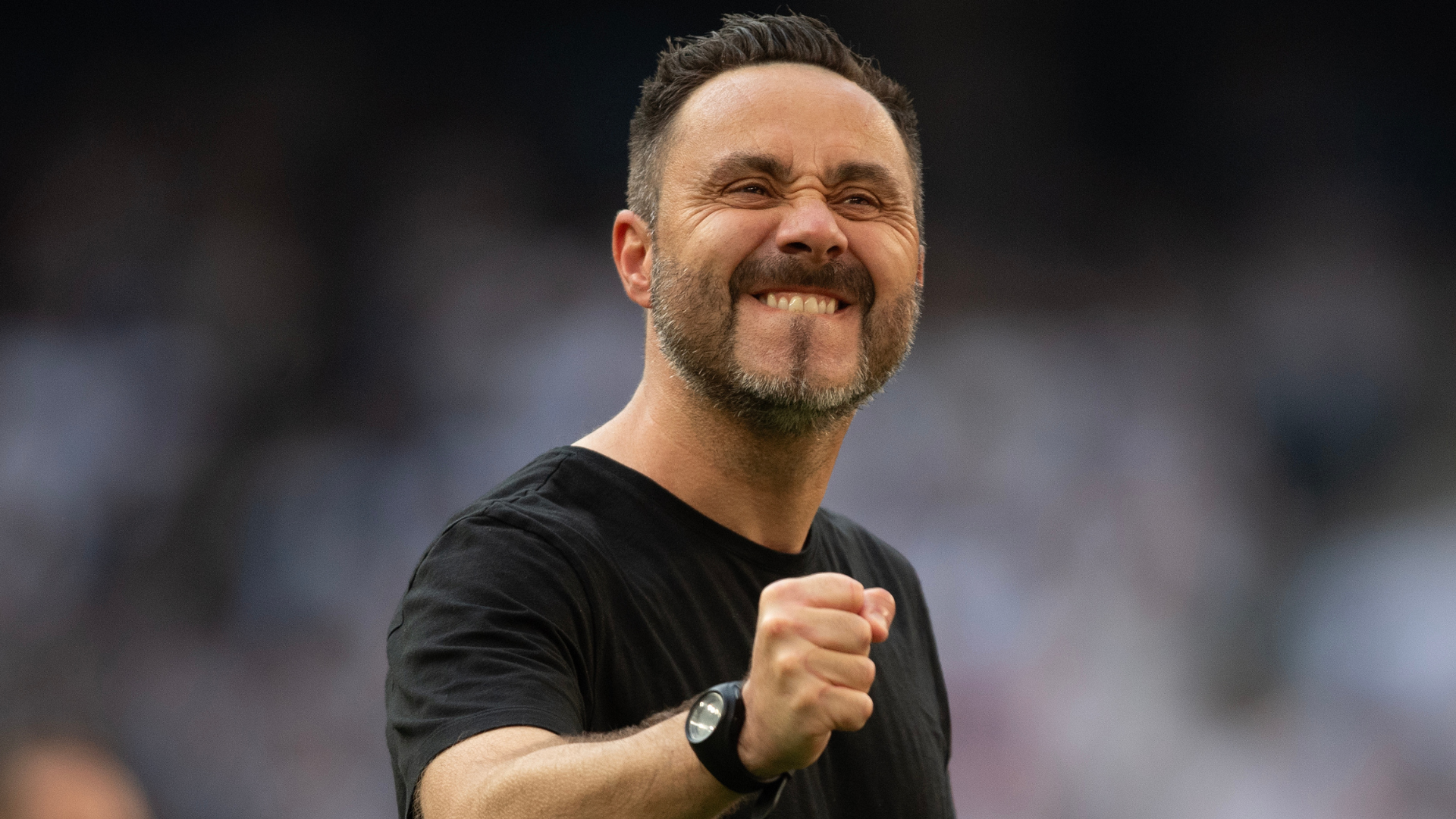
The New York Knicks stand one win from their first NBA championship since 1973, holding a 3-1 series lead over the San Antonio Spurs ahead of Game 5 on Saturday, 8:30 p.m. ET, in San Antonio. The series, already tilted toward New York, has produced a cultural artefact of its own: Game 4 has been recorded as the most-viral NBA game ever on social media, generating 3 billion views and counting across platforms, with engagement metrics still climbing as of 20:28 UTC on 12 June 2026.
The collision of a 53-year title drought, a Spurs roster built around Victor Wembanyama, and an algorithmic attention cycle that rewards spectacle above almost everything else has turned this Finals into something rarer than a championship round: a sporting event whose second life, online, may outlast its first.
The numbers behind the viral title
The 3-billion-view figure reported on social channels tracks engagement across TikTok, Instagram, X, YouTube Shorts and the league's own platforms, a basket of metrics that mixes passive impressions with active interactions. By any reasonable measure it is an outlier. Past Finals peaks have lived in the low billions of cumulative views across an entire series; a single game clearing that bar during the calendar week of the contest is the kind of datum leagues use to renegotiate broadcast and streaming rights.
The Knicks' own media footprint helps explain the floor. New York is the largest U.S. television market, and a Knicks championship run compresses decades of pent-up demand into a single news cycle. The Spurs, by contrast, have drawn the second-largest share of the audience largely because Wembanyama is the league's most-followed individual player globally, and his performance in a now-must-win game functions as the only remaining structural suspense in the series.
What the Spurs are actually facing
Down 3-1, San Antonio's path is narrow and well-trodden. In NBA Finals history, the trailing team in a 3-1 deficit has won the series only once, when LeBron James and the Cleveland Cavaliers overturned a 3-1 lead against the Golden State Warriors in 2016. Spurs coach Gregg Popovich, should he still be on the bench, would be working against both the historical record and the rotation limitations of a roster missing whichever contributors are unavailable in this series; the source material does not specify injury status beyond the standard late-Finals attrition.
Wembanyama is the variable that breaks the historical default. A 7-foot-4 centre who can credibly initiate the offence from the perimeter, he is the rare individual talent around whom a defence must build an entire plan, and a 3-1 deficit against him is qualitatively different from a 3-1 deficit against a conventional big. If Game 5 becomes a Wembanyama showcase, the question shifts from whether the Knicks can close to whether the league is about to watch the most dramatic single-game Finals performance in a generation.
The media economics of a viral Finals
A 3-billion-view game is not just a sports story. It is a rights-negotiation accelerant. The NBA's current broadcast deals with ESPN/ABC, TNT and the league's own over-the-top service expire at the end of the 2024-25 season, with new agreements already in negotiation. A Finals that breaks engagement records in the middle of a bargaining window is the single most valuable piece of evidence either side can put in front of a partner or a courtroom.
The viral footprint also complicates the league's own framing. For years the NBA has been trying to grow the global game in Europe, Africa and India, and Wembanyama, a French player whose appeal extends well beyond the U.S. market, is the centrepiece of that strategy. A Spurs run-back into the series, even in a losing cause, expands the league's international surface area at exactly the moment the rights cycle is being priced. The Knicks closing out the title on Saturday preserves a different value: a New York championship is catnip for domestic linear television, sponsors that buy U.S. eyeballs, and the New York advertising market that anchors the league's local-rights revenue.
Saturday's stakes
For New York, a win delivers the franchise's first title since 1973, ending the longest active championship drought in major American professional sport and ratifying a roster build that has been criticised as expensive, top-heavy and impatient. For San Antonio, even a Game 5 win only resets the series; the deeper value is in establishing that the Wembanyama era can already produce must-watch television in a championship round, which is the empirical foundation the league needs to argue for its next media rights.
What remains genuinely uncertain is how durable the engagement spike will prove. Past viral Finals moments — the 2016 Game 7, specific 1990s Bulls games, the Kyrie Irving 2016 three-pointer — have aged into cultural touchstones because they sat on top of an outcome that mattered for a generation. If the Knicks close on Saturday and the series ends 4-1, the risk for the league is that the 3-billion-view number is read as a ceiling rather than a baseline. If the Spurs force a Game 6 and the series runs the full seven, the same number becomes a floor for the next decade's worth of rights negotiations.
The series' second life, online, is not yet written.
Desk note: Monexus treated the 3-billion-view figure as reported engagement, not certified audience; wire confirmation of the underlying platform-by-platform breakdown has not been published as of the time of writing, and the viral metric should be read as directional rather than audited.
Wire provenance
This editorial synthesis draws on the following public wire/social posts:
- https://t.me/s/NBALive
- https://t.me/s/NBALive
- https://en.wikipedia.org/wiki/2026_NBA_Finals