The Kharg Question: Why Washington's Bluff on Iran's Oil Island Is the Story
Washington declared a maximum-pressure campaign aimed at Iran's oil export infrastructure and walked out of Islamabad having dissolved the blockade, unfrozen $12 billion and deferred the hard items to a later phase. The Kharg question was answered not by a strike but by what the memorandum left unsa
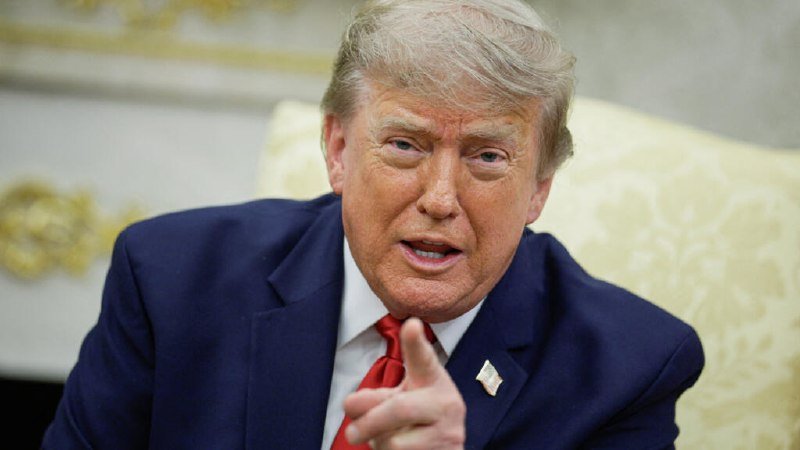
On 14 June 2026, the United States and the Islamic Republic of Iran walked out of the Islamabad talks with a memorandum of understanding that President Donald Trump declared would bring "Peace and Security to the whole Region," and that Iran's Mehr News Agency framed as a civilisational survival. Vice President JD Vance told Fox News the deal had "solved the problem" of a terrorist-supporting Iran pursuing a nuclear weapon, thanked Americans for their patience with high gas prices, and claimed Washington had seen "a lot of evidence" Tehran was preparing a major missile strike on Israel after Israeli attacks on Beirut, a strike that ultimately did not come. The headlines landed like a resolution. The clauses underneath read more like a pause.
What the two governments actually signed is a phased memorandum, not a peace treaty. Phase One, effective immediately on announcement, commits both sides to "an immediate, complete and permanent end" to the war on all fronts, including Lebanon, a US pledge of non-interference in Iran's internal affairs, and the unfreezing of $12 billion in Iranian funds before formal talks begin. Iran gets sanctions waivers on oil, petrochemical products and gas. Iran opens and manages the Strait of Hormuz, retaining service fees. The US dissolves the naval blockade of Iranian ports. Final-status negotiations on the nuclear file, missiles and regional behaviour are scheduled to begin after the MoU is signed in Geneva, where Iranian Parliament Speaker Mohammad Bagher Ghalibaf, the lead negotiator, and Foreign Minister Abbas Araghchi will meet Vance.
The blockade that wasn't a blockade
The naval blockade was always the strangest instrument in the US toolkit this spring. Announced in late May as a maximum-pressure escalation aimed at Tehran's export revenues, it was, by the time of Islamabad, the lever Washington had to spend to get a deal at all. Trump's confirmation that the blockade would be dissolved on signing is the headline Iranian state media wanted, and Mehr's reading is explicit: Iran "forced America to accept its demands," its "civilisation was not destroyed," and unconditional surrender did not materialise. The Supreme National Security Council framed the document as the product of a sovereignty-preserving negotiation. Mehr's list of "sweeteners" (oil sanctions lifted, $12bn unfrozen before talks, proxies and missiles explicitly excluded from the table) reads less like an American victory lap and more like the price of disengagement.
The structural question is what the US got in return for lifting the choke on Iranian oil flows and unfreezing nine-figure reserves in the middle of a domestic fuel-price squeeze. The Vance interview offered one answer: the deal neutralised an imminent Iranian missile strike on Israel and bought time on the nuclear file. Senator Lindsey Graham, in a Tasnim-monitored reaction, struck a notably warmer tone than his usual posture, writing that he was "happy to hear" about the understanding and would judge the final document on its merits. Israeli commentary, channeled through i24 News correspondent Amichai Stein on Middle East Spectator, was harsher: the agreement is "a strategic disaster" in which "the Americans give the Iranians plenty, and get nothing in return." Both reactions are, in their own way, consistent with the text. The MoU is heavy on immediate Iranian relief and light on irreversible Iranian concessions. Missile and proxy portfolios are deferred to a later phase.
A deal shaped by the calendar
The New York Times reported that Iran waited until after midnight local time to finalise the text, using the 7.5-hour gap between Tehran and Washington so that both sides could claim the deal had been completed on their own date. The signing ceremony is scheduled for Friday in Geneva, when Vance, Ghalibaf and Araghchi put their names to a document Iran insists was finalised the evening before, and that the Americans frame as a durable regional settlement. The choreography matters because each side needs a domestic-compatible story: a victory at home, a compromise abroad. The text serves both.
What the market already knew
The most telling data point is the one that never appeared in any of the announcements: oil. By the time the MoU was confirmed, Iranian crude had been finding buyers through shadow channels for weeks, refiners in Asia had priced in partial sanctions relief, and the premium on Hormuz-risk shipping had been compressing since late May. The blockade, in other words, was a declared policy that markets had already partially routed around. Dissolving it formalises a reality rather than creating one. Vance's appeal to American consumers, asking them to absorb high gas prices for a few more days, concedes as much: the price relief is what is being bought, and it is being bought with sanctions waivers, frozen funds and a quiet Iranian monopoly on Hormuz traffic management.
The Kharg question
Which brings the story back to the oil island the headlines never name. Kharg sits roughly 25 kilometres off the Iranian coast in the Persian Gulf and handles the substantial majority of the country's crude exports. For the duration of the blockade, every credible Western threat of escalation circled, implicitly or explicitly, around Kharg: sanctions enforcement, naval interdiction, the threat of strikes that would crater the country's export capacity and, in the most aggressive framing, its ability to fund regional partners. The MoU does not mention Kharg. It does not need to. By lifting sanctions on Iranian oil and petrochemical sales, by handing Iran service-fee revenue from Hormuz traffic, and by ending the naval operation that policed Iran's coastline, the document effectively demilitarises the issue that had been the declared centre of gravity of US coercion. The bluff, if it was a bluff, has been called.
The structural reading is straightforward. The US declared a maximum-pressure posture that depended on a blockade, sanctions enforcement and the implicit threat of force against export infrastructure to extract Iranian concessions on nuclear activity, missiles and proxy behaviour. The document Iran signed gives up none of those three categories up front. The frozen funds, the oil waivers, the Hormuz service fees and the formal end to the naval operation flow in Phase One. The hard items are scheduled for a Phase Two that begins after the MoU is signed and that, by Iran's own reading, will not include proxies or missiles. That sequencing is the deal.
The limits of the win
For Washington, the case for the agreement rests on the strike that did not happen and the nuclear clock that did not advance during the blockade window. Both are real. Neither is irreversible. The MoU defers, rather than resolves, the question of Iranian missile production, the disposition of regional armed partners and the final architecture of sanctions relief. If the Phase Two talks stall, the same export infrastructure that was just de-blockaded becomes the leverage point for the next escalation. For Tehran, the immediate prize is liquidity and legitimacy, plus the political cover of a negotiated end to the war rather than a capitulation. Whether that cover holds once the Geneva signing is digested in Washington, Tel Aviv and the Gulf is the next story. For now, the Kharg question is answered, not by a military event, but by a paragraph in a memorandum that says nothing about the island and everything about what was no longer worth a fight.