Strikes cancelled, talks 'wrapped up,' strikes 'coming again': parsing a 24-hour reversal on Iran
Within ninety minutes on the evening of 14 June 2026, the same US administration announced a deal to end the Iran war, claimed credit for it, and threatened to resume strikes if it collapsed. The reversal is the story.
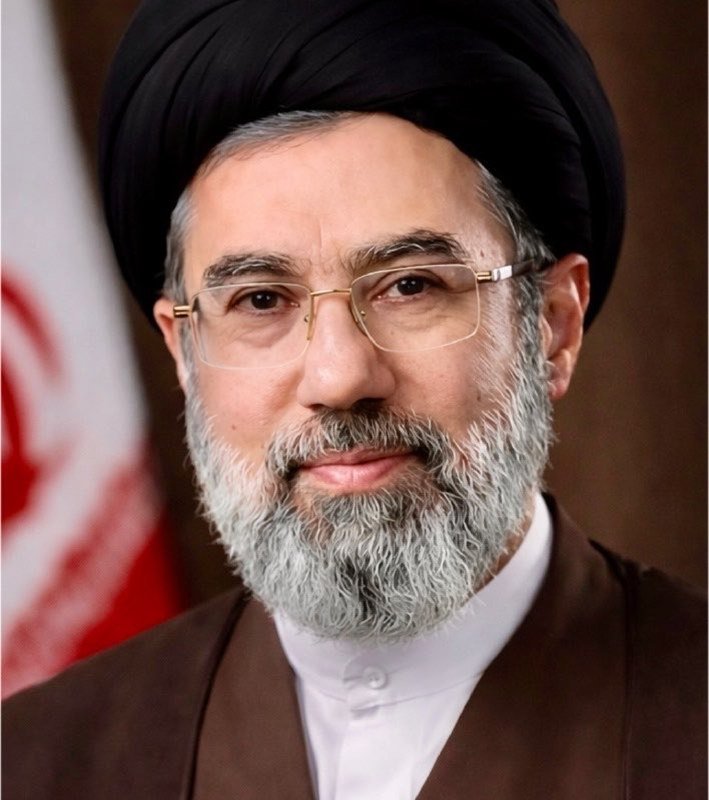
At 22:55 UTC on 14 June, Donald Trump told reporters the Iran deal would bring "peace and security" to the region and claimed the Strait of Hormuz would reopen for mine removal the moment it was signed on Friday. Forty minutes later, the Associated Press bureau in Islamabad filed the opposite beat: the United States and Iran had reached an agreement to end the war, the blockade had been dissolved, and Israeli strikes on Lebanon were continuing on a separate track. By 23:34 UTC the same president was telling the New York Times that he would "restart military attacks" on Iran if negotiations failed to produce a final nuclear deal. Within ninety minutes, the same administration had announced a deal, claimed credit for ending a war, and reserved the right to resume it. The cycle that played out in that compressed window is the story, not the headlines it produced.
The reversal is not a contradiction. It is the operating logic of coercive bargaining when both sides need the threat to remain live. Iran's Supreme National Security Council issued a statement on 14 June declaring an "immediate, complete and permanent" end to military operations upon announcement of the memorandum of understanding, the text of which had been finalised in Islamabad earlier that evening, according to the council and to a PressTV summary of the same announcement. Yet the council's language left room: the MoU is a memorandum, not a treaty, and its first phase activates on announcement rather than on signature. Until the final document lands, every party retains the option of walking back.
What the wire captured, and what mainstream coverage flattened, is the tempo. The Middle East Spectator's published full text of the MoU shows a phased structure in which Phase 1 takes effect on announcement, Phase 2 follows the first verifiable Iranian step, and subsequent phases remain conditional on continued compliance. That structure is the diplomatic translation of a threat that has not been disarmed. Trump can credibly say, as he did to the Jerusalem Post, that Netanyahu should "thank" the United States for a deal that prevents Israel from facing a nuclear-armed Iran; he can simultaneously threaten to resume strikes if the deal collapses. The two statements are not in tension. They are the same statement, addressed to different audiences.
The Israeli track complicates the picture in ways the U.S.–Iran framing misses. AP's Islamabad dispatch, relayed by multiple channels on the evening of 14 June, notes that Israeli operations in Lebanon continued after the U.S.–Iran announcement. The deal is therefore not a regional cease-fire; it is a bilateral de-escalation that leaves a third party still fighting. Israeli security concerns remain a first-order fact of the conflict, and the MoU does not address them. Trump told the Jerusalem Post that Netanyahu is "a very difficult guy," a remark that reads less as grievance than as a signal that Washington expects Jerusalem to manage its own theatre while Washington manages the nuclear file.
Iranian state media framed the agreement differently. Mehr News, citing the Associated Press, argued that Iran had "achieved a new lever" in the Strait of Hormuz. The Supreme National Security Council statement emphasised that Iran negotiated while under bombardment, framing endurance as the source of leverage. The Telegram channel Tasnim, close to the Iranian security establishment, reported last-minute textual changes to the memorandum in the hours before announcement, suggesting the document was still being shaped when both sides publicly declared it final. Pakistan's Prime Minister Shahbaz Sharif, whose government hosted the talks in Islamabad, claimed credit for brokering "intense negotiations." Each capital is constructing its own narrative of victory before the ink is dry.
The structural point is straightforward. When a deal is announced before it is signed, when a blockade is dissolved before the mines are cleared, and when the principal parties reserve the right to restart the war on the same evening they declare it over, the announcement is itself a coercive instrument. It freezes the other side's military posture, restores some flow of oil and shipping insurance, and buys time for the next phase of negotiations. But it also leaves the threat on the table, which is why Trump can threaten resumption in the same breath as he claims credit for cessation. The credibility of the threat depends on its continued use, even in the moment of apparent resolution.
What to watch next is concrete. The MoU text requires a first verifiable Iranian step before Phase 2 activates. Qatari mediators departed Tehran after seventeen hours of intensive talks, according to Fox News reporting relayed on the evening of 14 June, with a diplomat confirming a deal had been reached but separate preparatory meetings still ahead. The Strait of Hormuz mine-removal operation, the reopening of shipping, and the first IAEA-monitored step in Iran are the dates that will determine whether the 14 June announcement hardens into a framework or dissolves into another round of the same cycle. Until then, both sides retain the option to call the deal a success and the threat a back-up, which is precisely what they have already done.
Sources
- France 24, "US, Iran reach deal to end war" (14 June 2026): https://www.france24.com
- Telegram, Middle East Spectator, "The Iran-U.S. Memorandum of Understanding: Full Details and Phases" (14 June 2026): https://t.me/Middle_East_Spectator
- Telegram, Jahan Tasnim / Supreme National Security Council statement (14 June 2026): https://t.me/JahanTasnim
- Telegram, PressTV, summary of Iran SNSC statement (14 June 2026): https://t.me/presstv
- Telegram, Mehr News, "Iran has achieved a new lever in the Strait of Hormuz" (14 June 2026): https://t.me/mehrnews
- Telegram, The Jerusalem Post, "Donald Trump says Benjamin Netanyahu should thank US for reaching deal with Iran" (14 June 2026): https://t.me/The_Jerusalem_Post
- Telegram, GeoPWatch, summary of Trump NYT remarks (14 June 2026): https://t.me/GeoPWatch
- Telegram, ourwarstoday / AP Islamabad dispatch (14 June 2026): https://t.me/ourwarstoday
Desk note: The wire led on whether the deal exists and what the markets did. Monexus foregrounded the cycle: announcement, threat of resumption, and the structural reason both can coexist in the same ninety-minute window.
Follow the event.
These dated source records provide context. They do not retrospectively verify this archive article.
Separate what the nuclear watchdog reported from what it could not determine after the June 2025 strikes.