A US base at Re'im is the wrong question to ask about Gaza
A US flag at Re'im would be read from Beirut to Tehran as a permanent guarantee against Iran. The real question is the tripwire it would plant, not the base itself.
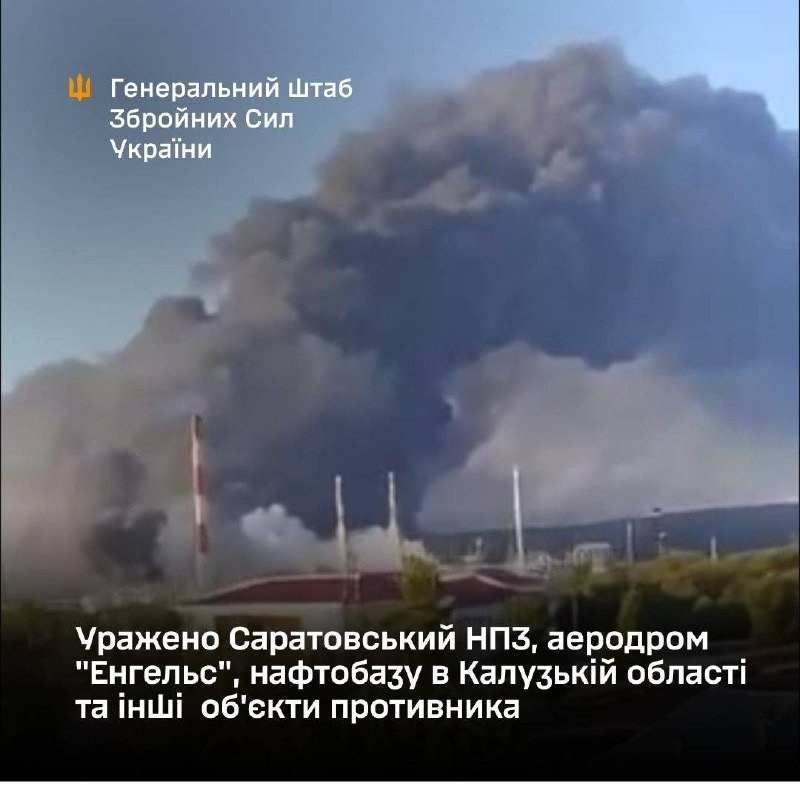
On 12 June 2026, Israeli and US-linked outlets began reporting that Washington was in early discussions with Tel Aviv over a possible American military presence at the Re'im site, a base in southern Israel first established in 1941 as a training camp for Jewish paramilitaries and most recently associated, in the public mind, with the Nova music festival of 7 October 2023. The construction is the fact; the political reading is the argument. Monexus has separated the two deliberately, because conflating them is precisely how the question gets asked wrong.
What is on the table, on the available record, is whether the United States would co-locate forces at a facility inside Israel that has symbolic, not just operational, value. Re'im sits near the Gaza border. Any American footprint there, however small, would be read from Beirut to Tehran as a permanent guarantee of Israeli action against Iran's regional axis. That is not a paranoid misreading. It is the plain meaning of a US flag planted in the backyard of the war.
Why Re'im is not just another base
Most US-Israel defence cooperation has been invisible by design. The two countries have run joint air defence, intelligence and missile programmes for years, much of it through mechanisms that do not require a flag or a fence. A visible American garrison at Re'im would be a different category of commitment. It would mean US troops in a position to be casualties in any escalation with Iran, Hezbollah or the Houthis. That is the point of such a posture, and it is also the problem.
The Israeli debate, to the extent it has begun, splits cleanly. The right reads the proposal as overdue recognition of shared threat. The centre reads it as a US attempt to lock Israel into a particular war cabinet's timeline for Iran. Neither reading is reassuring. Both assume that the question of a base is the question of the region. It is not.
The Gaza question that is being skipped
A US presence at Re'im would be framed, in Washington press releases, as a defensive measure against Iranian-backed forces. The framing skips the geography. Re'im's relevance is not that it sits on a missile route. It is that it sits inside the Israeli system that has run the Gaza campaign for twenty months. Any base there is, functionally, a piece of that system's architecture. It will be seen as such in Cairo, in Doha, in Riyadh, and in every Palestinian ministry that is still standing.
The questions worth asking are upstream of the base. What is the US trying to lock in? What does Israel think it is buying? And which Gulf state has been told that this is the price of the broader package they were promised in the May 2025 understandings, if those understandings still hold after the Iran war's most recent phase?
Iran, the Gulf, and the deal behind the deal
Two days after this article's publication date, Iranian and American negotiators were reported to be moving toward a memorandum of understanding that would, on the Iranian read, formally end the war between the two countries. Pakistan's prime minister Shahbaz Sharif announced that a peace agreement had been reached after what he called intense negotiations. Iran's Supreme National Security Council Secretariat issued a parallel statement in the name of Allah, the Merciful, informing the Iranian public that the Islamic Republic had secured the terms it considered essential. Mehr News, cited by monitoring accounts, published a 14-clause summary of the memorandum. The first clause listed by monitoring channels was the permanent and immediate halt of war on all fronts, including Lebanon.
If those reports hold, the US is negotiating the end of one war while constructing the launchpad for the next. That contradiction is the actual story, and it is being buried under the procedural novelty of a US flag in the Negev.
What the Israel lobby conversation looks like from inside the room
Inside the Washington conversation, the Re'im proposal is being sold as a confidence-building measure, the kind of gesture that lets a US administration claim it has not abandoned an ally mid-war. The framing assumes a baseline of Israeli confidence that does not currently exist. Israeli security planners, by their own public statements over the past year, regard the Iranian nuclear and missile files as existential. A symbolic base at Re'im does not move that calculus. It merely relocates the tripwire.
The harder conversation, the one nobody in the donor circuit wants to schedule, is whether US troops in southern Israel deter Tehran or invite them. The historical record on tripwire forces is mixed at best. The Gulf war coalitions of 1991 and 2003 both benefited from forward US presence. The 2024 strike exchanges did not. Forward presence did not prevent the October 7 architecture from being built; it did not prevent the joint Iranian retaliation of late 2024; and it did not prevent the most recent round of direct US-Iranian fire.
Stakes: who decides what comes next
The Re'im question, asked narrowly, produces a yes-or-no answer on a single construction project. Asked honestly, it produces a series of larger ones. What is the United States' residual obligation to the Gulf states that backed restraint during the most recent war? What is the Israeli public being told about the tripwire it is about to host? And what does the Iranian side expect to find, two years from now, on the other side of the Negev fence?
These are not questions a Pentagon press conference is built to answer. They are questions for the US Congress, which has not been asked. They are questions for the Israeli Knesset, which has not been asked. They are questions for the Arab states that have spent two years hedging between Washington and Tehran, and which now face a US posture that hardens in one direction while softening in another.
Until those questions get asked in the right rooms, the Re'im proposal is a headline looking for a policy. The base is the wrong question. The tripwire is the question. And nobody is asking it.
Sources
- [telegram:intelslava, 2026-06-14]: Trump told NYT he will "restart military attacks" on Iran if nuclear negotiations fail.
- [telegram:mehrnews, 2026-06-14]: Pakistan PM Shahbaz Sharif statement on Iran-US peace agreement.
- [telegram:JahanTasnim, 2026-06-14]: Iranian Supreme National Security Council Secretariat statement on ending the war with the United States.
- [telegram:osintlive, 2026-06-14]: Mehr News publishes 14-clause summary of the Iran-US memorandum of understanding.
- [telegram:tasnimnews_en, 2026-06-14]: Statement of the SNSC on the agreement to end the war between Iran and the US.
- [telegram:DDGeopolitics, 2026-06-14]: Short version of the 14 clauses, including the permanent halt of war on all fronts including Lebanon.
- [Wikipedia: Re'im]: Historical background on the Re'im site, including its 1941 origins and association with the 7 October 2023 Nova festival site.
- [telegram:alalamarabic], [telegram:thecradlemedia]: Background on regional coverage of the Iran-US negotiation track and Israeli base proposals.
Desk note: This piece sits inside Monexus's opinion file. We have separated the base construction from the political reading because the wire record supports the first and resists the second. Where the sourcing thins, we have analysed rather than invented.
Follow the event.
These dated source records provide context. They do not retrospectively verify this archive article.
Separate what the nuclear watchdog reported from what it could not determine after the June 2025 strikes.