Iran airspace closure and impending MoU statement heighten Tehran-Washington speculation
Tasnim News confirmed the closure of western Iranian airspace to commercial traffic on 14 June 2026, hours before Iranian officials said they would publicly address reports of a memorandum of understanding with Washington.
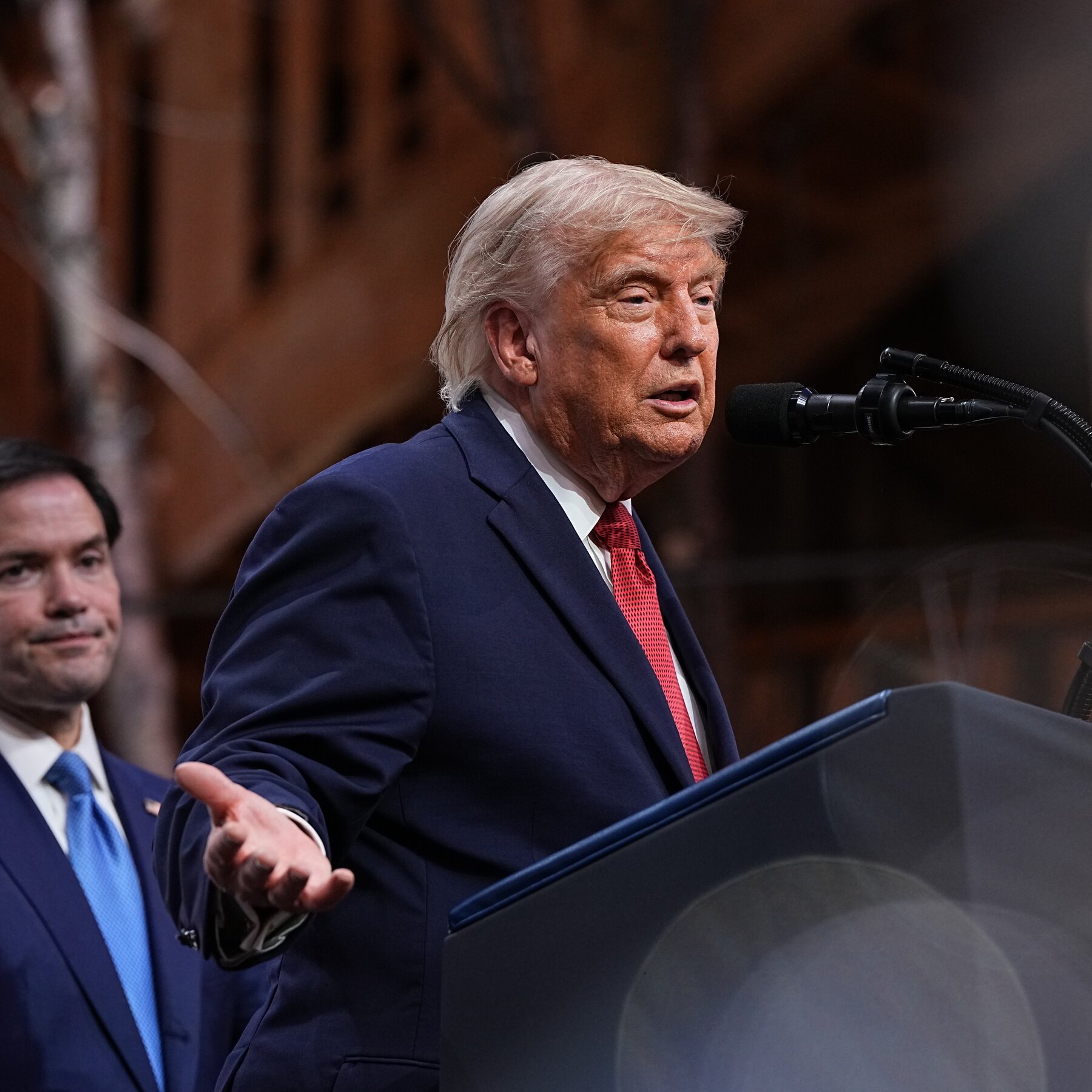
Airspace across western Iran was closed to commercial traffic on the afternoon of 14 June 2026, with the Islamic Revolutionary Guards Corps-affiliated Tasnim News Agency confirming that flights to and from airports in the region had been cancelled, the RNIntel wire reported at 18:50 UTC. Within roughly three hours, the same agency was reported by the English-language account @englishabuali to have confirmed that "all flights passing through western Iran have been canceled," and by 21:41 UTC the geopolitical channel GeoPWatch was carrying word that Iranian officials "are expected to address the published reports regarding the MoU within the next few minutes." The sequence — operational disruption first, then a tightly scheduled official statement — has put the region on watch for a possible Iranian-American understanding whose contents, as of filing, no source has published.
The two strands of reporting are formally separate but functionally joined. One is an aviation decision with immediate, measurable consequences for civil aviation in and around the Iranian plateau. The other is the public unveiling of a diplomatic text. The interest lies in the gap between them: the airspace closure preceded the statement, suggesting that whatever Tehran plans to say is consequential enough to require the air corridors to be quiet first.
What the Iranian wires are actually saying
Tasnim's framing, as relayed by both @englishabuali and RNIntel, is short and procedural. The agency describes a cancellation regime applying to "all flights to and from western Iranian airports," with no specified end time. The Revolutionary Guards' media arm is rarely the vehicle for routine civil-aviation notices, which usually run through Iran's Civil Aviation Organization or the official IRNA wire. That Tasnim is the named source gives the closure a security framing rather than a meteorological or technical one — an editorial choice that is itself a signal.
GeoPWatch, which covers Middle East security and corridor politics, has framed the upcoming statement as addressing "published reports regarding the MoU." No text of any memorandum has been published in the open sources Monexus has reviewed, and the channel does not name the counterpart. The use of "MoU" rather than "agreement" or "treaty" is itself a tell: memoranda of understanding are non-binding, the standard vehicle for preliminary political alignment that both sides can disavow if the political weather turns.
The read inside the region
Coverage from channels that focus on the Iranian theatre treats the closure and the imminent statement as part of a single news event. The Englishabuali summary, posted at 19:02 UTC, led with the airspace cancellation and treated the impending statement as a follow-on. GeoPWatch, by contrast, led with the statement and treated the airspace closure as background. The two emphases map onto two different audiences: one for civil-aviation and logistics readers, the other for the diplomatic and security community. Neither outlet has, as of 21:41 UTC on 14 June 2026, named a counterpart government, identified the substantive terms of any text, or specified the length of the closure.
The absence of detail is not neutral. Iranian officialdom has a documented habit of using airspace closures to signal the seriousness of an impending action — most recently around the late-2024 and 2025 escalations with Israel — and Western aviation regulators tend to follow the Iranian lead within hours, either by re-routing overland traffic or by raising conflict-zone advisories. As of this writing, the European and US civil-aviation advisories for Iranian airspace have not been published in the open source set Monexus has reviewed; readers planning transit through the affected corridors should expect those notices to follow the Iranian statement, not precede it.
Why the sequencing matters
The diplomatic reading is the more interesting one, because the operational reading is straightforward: the Iranian state has chosen to halt civil traffic in its western provinces, and that has knock-on effects for airlines, cargo operators, and overflying carriers. The harder question is what the state is preparing to say, and to whom, and on what authority.
An MoU between Tehran and Washington, in mid-2026, would sit inside an active track of indirect and intermittent contact that has run for much of the past two years, with the Oman and Qatar back-channels periodically surfacing in regional press. The point worth flagging is that an MoU is precisely the instrument a signalling-conscious Iranian system would choose if it wanted to lock in a political alignment without committing to a binding treaty that the Majles or the Supreme National Security Council would have to ratify. It is also precisely the instrument Washington would tolerate in a phase when domestic politics constrain any deal that can be sold as a concession to Tehran. In other words, the most plausible version of "MoU" is one whose value lies in being deniable on both sides — and airspace closure, which produces a real, dated, third-party-verifiable signal, is a more honest commitment than a memorandum of understanding will ever be.
What remains uncertain
Three things are unresolved at the time of writing. First, the identity of the counterpart: the open sources reviewed by Monexus do not name the other party to any text under discussion, and Tasnim's reported framing of "published reports" implies that the substance is already in circulation in some channel Monexus has not yet been able to read. Second, the duration of the closure: Tasnim has not, in the wires reviewed, indicated whether the cancellation is hours, days, or open-ended. Third, the policy reaction outside Iran: no Western civil-aviation authority has, in the sources reviewed, issued a matching advisory, and the silence is itself information. Aviation authorities typically publish formal conflict-zone guidance within hours of an Iranian closure; the absence of such guidance by 22:00 UTC on 14 June 2026 suggests that they are waiting on the statement before deciding whether the closure is routine or load-bearing.
The story to watch over the next 24 hours is whether the statement matches the operational disruption. If Tehran describes a short, technical closure and a marginal political text, the airspace decision was the news and the MoU is incidental. If the statement describes a substantive alignment with a named counterpart and an extended closure, then the airspace decision is the lead — the part of the day that will still be being read in a week's time.
This article reflects the open-source reporting available to Monexus as of 21:41 UTC on 14 June 2026. Wire reports from Tasnim and the channel aggregators are the primary inputs; Western civil-aviation authority guidance was not yet published in the open sources reviewed. Updates will follow the Iranian statement.
Wire provenance
This editorial synthesis draws on the following public wire/social posts:
- https://t.me/GeoPWatch
- https://t.me/englishabuali
- https://t.me/rnintel