Knicks' first title in 53 years collides with World Cup fever on Manhattan's streets
A first NBA crown since 1973 and a World Cup bus on fire in the same Manhattan weekend laid bare the city's appetite for spectacle — and the costs of managing it.
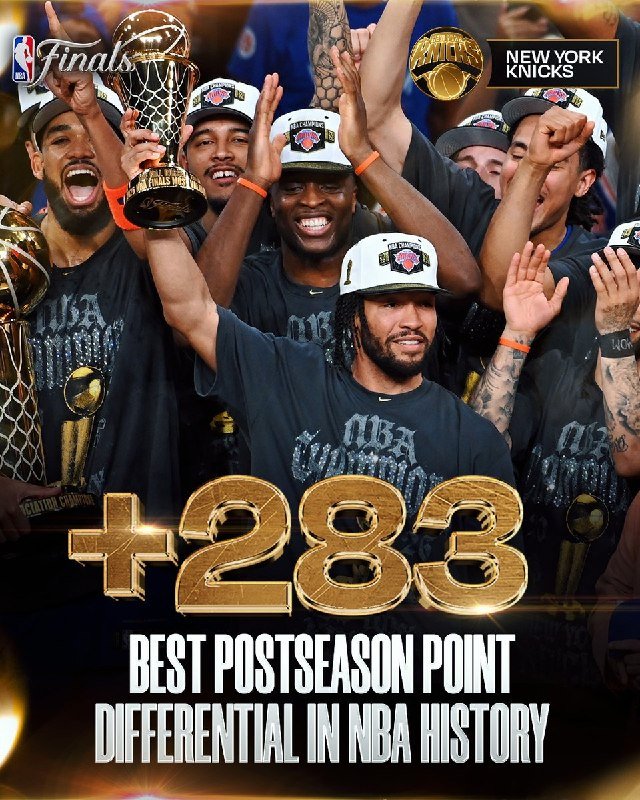
The New York Knicks have ended a 53-year wait, beating an opponent in the NBA Finals to claim the franchise's first championship since 1973, and the city marked the moment the only way it knows how — by taking to the streets in numbers large enough to crowd the World Cup off the front pages. The Reuters wire reported on 14 June 2026 that a World Cup bus was set alight and a teenager suffered a gunshot wound during chaotic scenes in Manhattan, as thousands of basketball fans poured on to the avenues to celebrate the title won the previous night.
The dual story is the story. A basketball coronation five decades in the making, and a football tournament that had been hyped for two years as the centrepiece of an American summer, both competing for oxygen on the same Saturday night. The Knicks won the trophy; the streets, briefly, won the argument about which game New York actually wanted to watch.
A title, and a city that doesn't do quiet
ESPN's 14 June 2026 report from Manhattan described "bedlam on Broadway" as fans poured out of bars and apartments the moment the final buzzer sounded. The BBC's parallel dispatch the same day framed the moment as a sporting triumph that was, at least for one weekend, "overshadowing the World Cup" in the city hosting both. The juxtaposition is unusual enough to be worth lingering on. New York is a designated host of FIFA's 2026 tournament; the league had spent months selling the city on football. By 14 June, the local press lead was the Knicks.
That is not a slight on the World Cup. It is a measurement of the Knicks' long-suffering hold on the city's sporting imagination, and of how rare a parade this is. Fifty-three years is a generation-and-a-half of false springs and rebuilds. The crowd that spilled into the streets on Saturday night had been waiting since the Ford administration.
The cost of the celebration
The Reuters wire, circulated on X at 12:30 UTC on 14 June, described "chaotic scenes" that included a World Cup bus being set alight and a teenager being shot. The reporting carries the cadence of a developing story — short on confirmed casualty detail, long on scene-setting — and Monexus treats the figures accordingly. The teenager's condition, the circumstances of the gunshot, and the ownership of the bus that burned are details the wire did not specify. A reader should hold them loosely until the New York Police Department and the fire service brief on the record.
What is not in dispute is that the celebration produced a serious incident. A city that is hosting the world's largest single-sport event this summer does not need a near-miss with an international team transport, and it certainly does not need a teenage shooting, to complicate its security planning for the rest of the tournament.
The World Cup question
The BBC's framing — that the Knicks' win is "overshadowing" the World Cup in New York — invites a structural question. The two events are not really in competition. Basketball is a winter sport with a single champion; the World Cup is a month-long global tournament rolling through 11 American cities. Yet the spectacle economy of a sports-mad city is a zero-sum allocation of attention at the peaks. A parade the Knicks haven't had since 1973 is the larger story this weekend, full stop.
The lesson for the organisers, if there is one, is that hosting the world's most-watched tournament inside a market with deep, parochial, season-tied loyalties is a different proposition from hosting it in a market that adopts a tournament by default. New York did not need the World Cup. The World Cup needs New York. That asymmetry is now visible.
What we don't yet know
Three things remain unsettled as of the time of writing. First, the medical status of the teenager shot during the celebration — the wire reported the wound but not the severity. Second, whether the bus that burned was carrying a competing team's delegation, a tournament operations vehicle, or a sponsor's coach; Reuters did not name the bus's operator. Third, the discipline, if any, that the NBA or the city will apply to the post-title dispersal — the Knicks' first championship in more than half a century guaranteed an oversized crowd, and the planning assumptions around that crowd are now being tested in real time.
This Monexus desk notes the tension at the heart of the wire coverage: ESPN led on euphoria, BBC on context, and Reuters on the cost. The story of the Knicks' title is a sporting one; the story of the streets is a public-safety one. The two ran on the same night, in the same city, and a fair reading holds both.