Scotland's opener exposes two early World Cup problems: kick-off timing and finishing
Steve Clarke's side beat Haiti in a scrappy Group C opener in Boston, but the tournament's first week has surfaced two structural headaches: matches that start late, and favourites that cannot put chances away.
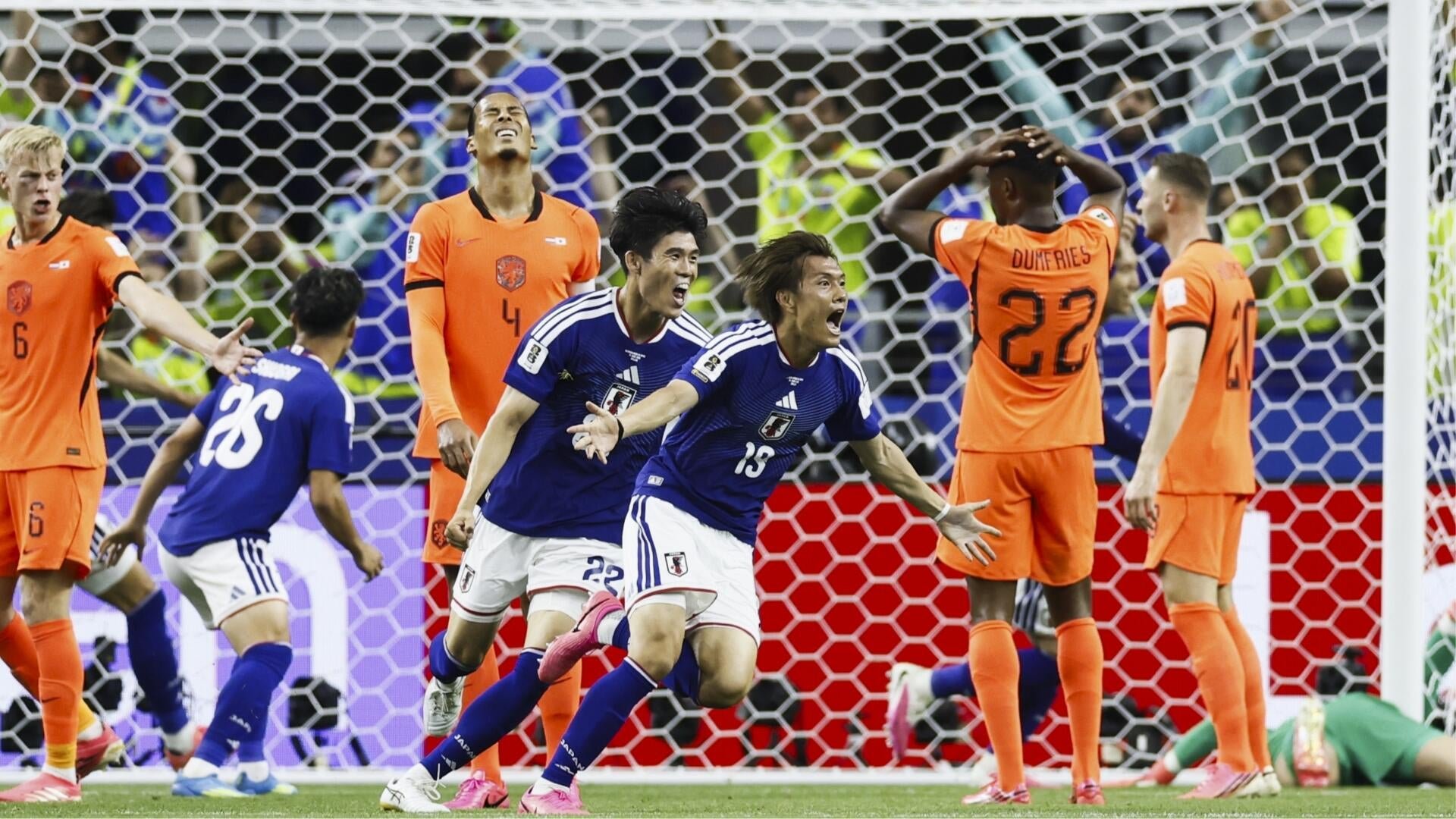
Scotland's path to the knockout stage of the 2026 World Cup will not be measured by flair but by the unglam arithmetic of tournament management. On 14 June 2026 in Foxborough, Massachusetts, Steve Clarke's side ground out a one-goal victory over a stubborn Haiti team in their Group C opener, a result that keeps the Scots level with Norway — who they will not face — and on course for the meeting in Boston and Miami that will define the section. The performance was narrow, the margin thin, and the questions it raised travel well beyond the touchline.
The shape of the group now sits on two familiar hazards: the efficiency of the Scottish attack against deeper, faster opponents, and a tournament-wide discipline problem that FIFA's organising committee has so far failed to solve.
A winning start that said very little
Scotland's opener against Haiti was a victory of necessity, not of conviction. Haiti, ranked outside the world's top fifty, sat deep, contested every second ball and forced the Scots into a series of rushed decisions in the final third. Clarke's team created enough to win, but the conversion rate — and the willingness to vary the angles of attack — left Boston's Gillette Stadium with the sense that the hardest work is still ahead. Morocco, the Group C opposition that follows in the next match window, defends in a higher block, presses in pairs, and has the technical midfielders to punish the kind of sideways circulation that Haiti invited. Brazil, the third team in the section, is a different kind of problem entirely.
The two fixtures that follow — Morocco first, then Brazil — turn the opener from a footnote into a diagnostic. Clarke has used the opening night to identify what works; the question is whether the squad is deep enough to recalibrate mid-tournament, and whether the staff trust the same players to deliver different solutions against opposition that will not sit off.
The kick-off problem nobody wants to fix
The more uncomfortable story sits in the tournament's operations. Per BBC Sport's reporting on 14 June 2026, the Group C tie between Scotland and Haiti was delayed at kick-off, continuing a pattern in which none of the first eight matches of the 2026 World Cup began on time. The reasons cited are familiar to anyone who follows the modern tournament circuit: pre-match ceremonies expanded for broadcast, extended anthems, sponsor activations, and the security and protocol layers that attend a 48-team event spread across three host countries. The cumulative effect is that fans in the stadium, viewers at home, and the teams themselves are all working to a schedule that bears only passing resemblance to the official one.
This is not a one-off. Tournament organisers in recent years have accepted late kick-offs as a cost of doing broadcast business, and the structural incentives point the same way. Host broadcasters and sponsors pay for stadium time as if it were a programming slot; the on-pitch product is the wrapper. Players, by contrast, build warm-ups around fixed intervals, and goalkeepers and conditioning staff plan substitutions to the minute. A 15-minute delay in a group game is a logistical headache; a 15-minute delay in the knockout rounds, with extra time and penalties on the table, becomes a player-safety issue.
The counter-narrative is that the tournament is in its first week, that the host venues in the United States, Canada and Mexico are running at unfamiliar scale, and that operations settle after the first round of fixtures. There is some truth to that. But the record so far is the record so far, and the cost of a slow start is paid not by the organisers but by the players whose recovery windows compress, and by the fans who pay full price for a 75-minute stadium experience.
What the next ten days actually decide
For Scotland, the structure of Group C means that two results will go a long way to settling the section. A draw against Morocco in the next fixture would keep the team on the same points trajectory as a win over Haiti, but would also hand the Moroccans — likely the team best equipped to challenge Brazil for the group — a platform to rotate against the weakest opposition. A defeat would, in practical terms, force Clarke's side to take something from the Brazil fixture, a prospect no Scottish supporter is pricing in with confidence.
The wider question is whether the 2026 World Cup is producing the kind of football its scale deserves. A 48-team tournament, played across three countries, is sold to the public on the promise of more games, more upsets and more storylines. The early returns suggest something more prosaic: more fixtures, more stoppages, and a familiar set of structural problems — finishing, scheduling, broadcast bloat — that the format does not solve so much as amplify.
What remains uncertain
The most honest reading of Scotland's position is that the source material from the opening weekend is thin. Clarke's squad is not yet at full strength, the squad-rotation decisions in the group are still ahead, and the Morocco and Brazil fixtures will tell us far more about this team's ceiling than the Haiti result did. The kick-off question, similarly, will resolve itself only once FIFA and the host federations decide whether the broadcast-revenue premium is worth the cost of matches that begin ten, fifteen, twenty minutes after the advertised time. Until then, both problems will sit unresolved — and the teams that adapt fastest, in the stadium and on the schedule, will be the ones still standing in the round of 32.
This publication framed Scotland's opener as a diagnostic of two structural problems — finishing against a low block, and a tournament operations culture that treats kick-off times as suggestions — rather than as a stand-alone result. The wire coverage focused on the scoreline; the more durable story is the pattern around it.