Tehran sells the ceasefire, and tells its base the war isn't over
Tehran is selling the ceasefire to foreign audiences as a strategic win while telling its domestic base the war is merely paused. The two tracks are public, and the gap between them is the story.
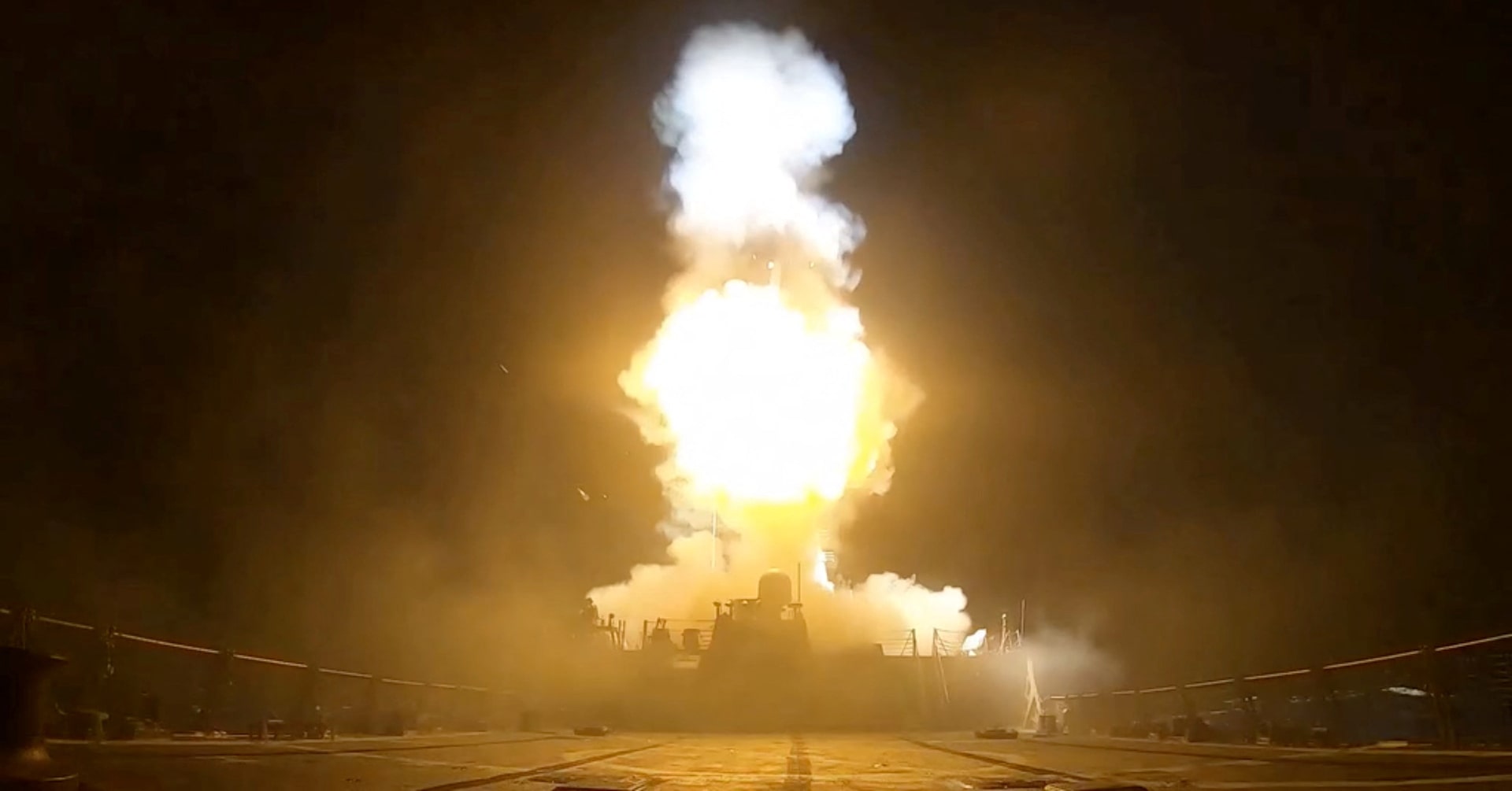
On 17 June, Iran's English-language Tasnim wire and senior Iranian officials were selling a ceasefire to Western audiences while telling a different story at home. The two tracks are now public, and the gap between them is the story.
The shape of the deal that emerged over the following days was framed by Tehran as a strategic victory, not a concession. A memorandum of understanding with Washington, a separate Israel-Hezbollah cessation of hostilities, and a Geneva signing ceremony all converged on the same week. To outside readers, the Iranian line was unusually clean: war ended on Tehran's terms, the regional front closed, the bases must go. To anyone listening to the parallel messaging aimed at the Iranian street, the war had not ended at all. It had merely changed registers.
The official line, in English
Tasnim's English service carried the framing that Iran wanted foreign correspondents and Western think-tankers to internalise. The ceasefire was a fait accompli. Hezbollah's separate arrangement with Israel, reported by Al Jazeera on 19 June as a "new ceasefire … in wake of US-Iran memorandum to end war," was presented as a regional dividend of Iranian deterrence. The Geneva signing was sold as proof that the Islamic Republic had fought, absorbed, and dictated. None of this language was new for Iranian state media; the novelty was the audience. The English wire exists to translate Iranian state narratives for non-Persian readers, and the translation was unusually literal in the days after the deal.
The base line, in Persian
The same political class telling the West the war was over was telling supporters that the war was paused. Major General Mohsen Rezaee, former IRGC commander and secretary of the Expediency Discernment Council, used the moment to warn domestic audiences against optimism. "They must leave the bases," he said, cautioning that the memorandum could allow for "enemy tricks" and that the fight was not over simply because a document had been signed. The message was unmistakable: any Iranian who read the deal as peace was being naive. The deal was a phase, not an endpoint.
An Iranian lawmaker picked up the same thread a day later, warning Washington over alleged ceasefire violations. The complaint was tactical; the subtext was structural. Even as negotiators prepared the Geneva ceremony, parliamentarians were pre-positioning the domestic justification for a resumption of hostilities. A ceasefire that can be unmade on a single televised objection is, in practice, a wartime armistice that the Iranian side has not yet agreed is over.
The Hezbollah variable
What made the gap wider was Lebanon. According to the New York Times reporting relayed on 19 June, Israeli Prime Minister Netanyahu is likely to continue military operations against Hezbollah despite the Israel-Hezbollah ceasefire and the US-Iran agreement's provisions regarding Lebanon. That single sentence dissolves the neat package Tehran was selling. If the Israeli prime minister reserves the right to keep striking, and if Hezbollah, as Telegram channels documented on the same day, is mounting HEAT warheads on FPV drones and detonating devices against IDF assaults in southern Lebanon, then the front the memorandum supposedly closed is still open in the field.
Al Jazeera's announcement of a new round of Israel-Lebanon talks in Washington next week confirms the same picture from the other side: the architecture is being assembled in real time, not inherited from a finished negotiation. Each piece of the deal is a moving object, and the moving objects are still moving.
Why the gap matters
The pattern is familiar from other Iranian negotiating cycles. The Persian-language base gets the continuation story, the martyrdom narrative, the suspicion of Western intent; the English-language service gets the peace dividend, the strategic maturity, the regional stabiliser. Both stories are technically true, which is what makes the operation work. A government that fights and negotiates simultaneously can sell each posture to a different audience without ever having to retract either. The cost is paid in credibility, and it is paid later, when one of the two audiences is forced to confront the fact that the other was hearing a different war the whole time.
What to watch from Geneva
The Geneva signing is the test. If the document Iran signs in English is the same document Iranian officials describe in Persian, the ceasefire has a chance. If the two texts diverge, the war is not on pause; it is on a timer. The Middle East Eye live coverage of 19 June, which tracked the Iranian lawmaker's warning alongside the signing preparations, suggests the two tracks are already running in parallel. The question is no longer whether Iran can end a war on its own terms. It is whether any war ended here at all, or whether Tehran simply installed a quieter front in a longer campaign.
Sources
- Tasnim News English wire, 17–19 June 2026, Iranian state media English service, framing of the memorandum and ceasefire
- Middle East Eye live coverage, 19 June 2026, Iran lawmaker warning on ceasefire violations; Geneva signing preparations
- Al Jazeera breaking news, 19 June 2026, US announcement of Israel-Lebanon talks in Washington, framing of US-Iran memorandum as enabling the Hezbollah ceasefire
- DD Geopolitics, 19 June 2026, Major General Mohsen Rezaee statement on the bases and "enemy tricks"
- Middle East Spectator, 19 June 2026, Hezbollah mounting HEAT warheads on FPV drones; field evidence of continued posture
- World Front Witness / New York Times relay, 19 June 2026, Netanyahu likely to continue operations against Hezbollah despite ceasefire
Desk note: Monexus ran this on Tasnim's English wire as the Iranian official line, with Western and field reporting as the counter-frame. The structural reading is editorial.
Follow the event.
These dated source records provide context. They do not retrospectively verify this archive article.
Separate what the nuclear watchdog reported from what it could not determine after the June 2025 strikes.