Tehran's toll booth: Iran turns the Strait of Hormuz into a pay-as-you-go corridor
On 17 June 2026, Iran's foreign ministry said vessels transiting Hormuz will be charged a fee. The announcement lands in the same week as a digitally signed US–Iran memorandum. The market has not yet priced either.
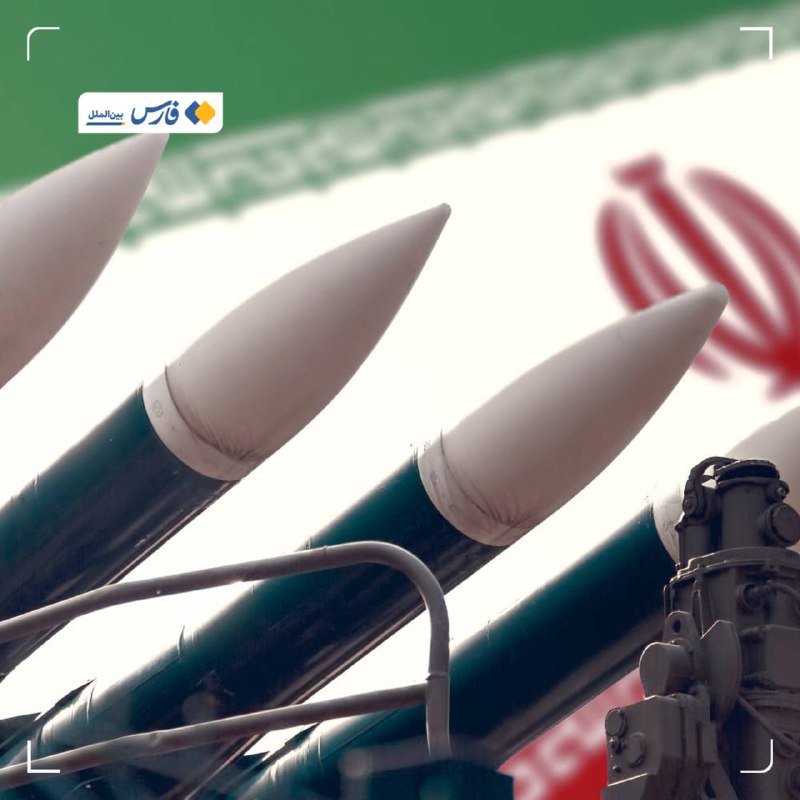
On 17 June 2026, at roughly 13:50 UTC, Iranian Foreign Ministry spokesperson Esmail Baghaei told reporters that the text of the "Islamabad memorandum of understanding" had, in his words, "probably reached the presidents of Iran and the United States for signature," and that the document was being signed in digital form rather than at a ceremony in Switzerland. Within the hour, the same spokesperson announced a second, structurally more consequential policy: Iran will charge fees for services provided to vessels transiting the Strait of Hormuz, with the collection mechanism and management arrangements "being developed." Two announcements, one news cycle, one underlying posture — Tehran is converting a strategic chokepoint into a price-controlled utility.
The framing is the news. For forty years, the dispute over Hormuz has been a binary of "open" versus "closed" — Iranian threats to seal the waterway, US carrier-group deployments, escalation ladders that nobody wanted to climb. The 17 June announcement breaks that binary. Iran is not proposing to close the strait; it is proposing to lease it. That is a categorically different instrument, and the oil market, the shipping insurers, and the diplomats in Geneva have not yet priced it.
What was actually said
Three Iranian state-aligned outlets — Tasnim, Mehr News, and Fars (via the Faytuks channel) — carried Baghaei's remarks in near-identical form between 21:25 UTC and 22:07 UTC on 17 June. The substantive claim is that Iran "will receive a fee for services in the Strait of Hormuz," with the fee mechanism and the management arrangements "being developed." Baghaei added, in the same briefing, that the mechanism for the management of the strait is being formulated. A second element of the briefing, reported by Fars via Faytuks and picked up by World Fight Witness, concerned enriched nuclear materials: transferring enriched nuclear material out of Iran is, in the foreign ministry's telling, "unacceptable." That second element links the transit-fee announcement directly to the nuclear file — the same file that produced the digitally signed memorandum announced minutes earlier.
There is no rate card, no schedule, no named collection agent, and no legal basis cited. "Being developed" is doing a great deal of work in three different press releases.
The precedent the wire skipped
Charging transit fees through a narrow strait is not a novel legal question; it is, however, a politically loaded one. The 1982 UN Convention on the Law of the Sea treats transit passage through straits used for international navigation as a right that may not be impeded, but it does not address user fees in straits that are simultaneously territorial waters. Turkey operates a similar regime in the Bosphorus and Dardanelles under the 1936 Montreux Convention, charging pilotage, lights, and health dues. The difference is that Montreux was negotiated in peacetime among like-minded parties; what Iran is signalling on 17 June is a unilateral imposition, with the negotiating table still warm.
That is the move. By tying the fee announcement to the signing of the Islamabad memorandum, Iran is converting a piece of leverage that would otherwise be spent on a single crisis into a recurring revenue line — and using the diplomatic process as cover. If the memorandum holds, Iran gets sanctions relief and a fee stream. If the memorandum collapses, Iran has a ready-made casus belli: the "management arrangements" were a concession, and the other side walked.
What is contested
The Iranian framing is the only framing on the wire right now. There is no Western-allied confirmation that the memorandum has been signed, no readout from the US State Department, no statement from the Omani or Qatari mediators who have historically hosted back-channel talks. Euronews's flash, citing Tasnim, is the only non-Iranian confirmation that the digital-signature process is real, and Euronews is here acting as a wire for Tasnim, not as an independent verifier. Iranian state media — Tasnim, Mehr, Fars — is the sole source for every specific claim in this story, including the fee announcement, the digital signature, and the rejection of out-of-country transfer of enriched material.
That does not mean the claims are false. It means a reader cannot yet tell. The standard for an unsigned briefing read into Tasnim microphones, with no counterpart readout, is lower than the standard for a signed document. The sources do not specify the size of the fee, the legal basis, the implementation timeline, or how Tehran intends to enforce collection against flag states that decline to pay. The markets, which normally price Hormuz risk in real time, have not moved on this announcement — Brent has not been quoted in the source material, and the insurers who write hull war risk for Gulf of Oman transits have not yet been heard from.
The structural read
What Tehran is doing, in plain terms, is asserting that the security guarantee the IRGC Navy provides — keeping the strait open, suppressing piracy, separating the warring sides in the tanker war of 2019 — is itself a service, and that services have prices. That is a contractual reframing of geography. The strait is no longer a public good maintained by a coalition of navies; it is a managed corridor with a sovereign landlord.
The structural pattern this sits inside is the slow, deliberate monetisation of strategic position. The same logic shows up in China's port-fee regime in the South China Sea, in Turkey's Montreux dues, in the Panama Canal's freshwater-pricing debate, and in the Suez Canal Authority's periodic rate hikes. Each case is different; the underlying move is the same. The state that controls the pinch point charges the state that needs the flow. When the pinch point is essential — and roughly a fifth of seaborne crude still moves through Hormuz — the fee is not a tax. It is rent.
Stakes
The 17 June announcement lands the same week as the Islamabad memorandum, and the two moves are almost certainly coordinated. The fee gives Iran a stake in keeping the strait open — a stake that survives any single diplomatic crisis — and the memorandum gives the outside world a stake in keeping Iran solvent. That is not a deal. It is the architecture of a deal. Whether the architecture is built or collapses will be visible within thirty days: a published fee schedule, a Western-allied readout on the memorandum, and the first hull-war-risk premium revision from a P&I club.
Until then, the sources are Iranian, the document is unsigned, and the market is silent. That silence is itself the story.
Desk note: Monexus is running this on a single-wire sourcing base — every specific claim in the lede and the second section traces to Tasnim, Mehr, Fars/Faytuks, and Euronews-relayed Tasnim. The structural frame is editorial, not reported. The piece will be updated when a non-Iranian readout on the Islamabad memorandum is published.
Wire provenance
This editorial synthesis draws on the following public wire/social posts:
- https://t.me/FaytuksNews/
- https://t.me/wfwitness/
- https://t.me/mehrnews/
- https://t.me/wfwitness/
- https://t.me/euronews/
- https://t.me/GeoPWatch/
- https://t.me/ClashReport/
Follow the event.
These dated source records provide context. They do not retrospectively verify this archive article.
Separate what the nuclear watchdog reported from what it could not determine after the June 2025 strikes.