Mangione's plea, and the question the health-care debate won't answer
A guilty plea to federal stalking closes one courtroom chapter. It does not close the political one the killing opened.
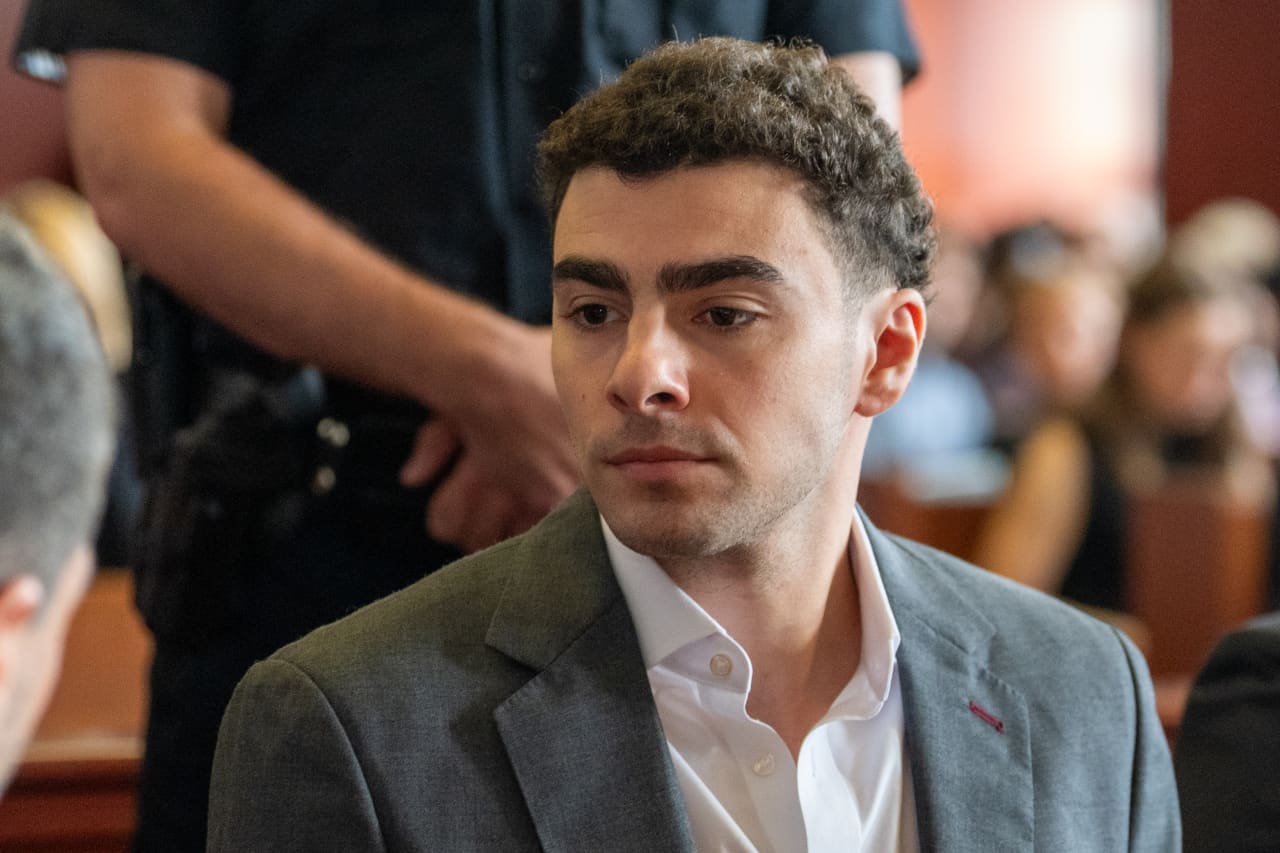
Luigi Mangione pleaded guilty on 14 August 2026 to federal stalking charges connected to the December 2024 killing of UnitedHealthcare chief executive Brian Thompson in Manhattan, according to France 24, MarketWatch and CNBC. His state murder trial is scheduled to begin next month, the same dispatches report. The plea admits conduct federal prosecutors had linked to the Thompson killing; it does not, on its face, resolve the murder case.
The killing made Mangione a folk anti-hero to a slice of the American public furious with health-insurance denial practices, and a murder suspect to everyone else. The plea does not settle which of those framings wins. It settles venue. From here, the harder argument starts.
What the plea actually settles
The federal charge was stalking, not murder. That detail matters more than the headlines let on. Mangione's defence team has already argued the federal guilty plea triggers double-jeopardy protections that block the state murder prosecution in New York, CNBC reported on 14 August. If a court agrees, the killing of a chief executive on a public sidewalk could end with a stalking conviction and prison time rather than a murder conviction and the possibility of life without parole. The sources do not specify what sentence the federal stalking plea carries, and the eventual outcome depends on judicial findings the available reporting does not yet record. What is clear from the filings is that the federal forum has won the race to a verdict, and the legal consequences of that ordering are now in front of a state judge.
MarketWatch's dispatch on 14 August was careful to note the state murder case is set for next month. France 24's piece the next morning underlined that Mangione's lawyers are arguing to have state charges dropped. Both reads are consistent: the federal plea is leverage. Whether it works is for a judge, not a commentator.
The political case the courtroom cannot hear
Thompson's killing became a cultural event almost immediately. Graffiti, T-shirts, manifestos, fundraisers and public statements followed within weeks, according to subsequent reporting the available sources do not author-date. The reason is not hard to find. UnitedHealthcare, the parent company UnitedHealth Group's insurance arm, became a stand-in for an industry that the public experiences as opaque, adversarial, and slow to authorise the care it has already been paid to cover. Mangione's stated grievances, set out in writings federal investigators say they recovered, gave that resentment a name and a face.
A court cannot adjudicate that. It can only ask whether a killing was unlawful. The answer, on any plausible reading of the evidence the public has seen, is yes. Monexus analysis: the verdict will be a verdict. The argument it is being recruited into is older and broader, and the courtroom is a poor venue for it.
What the coverage keeps doing
Most cable-news frames treat the case as a true-crime story with a political backdrop. That ordering is convenient and incomplete. The political backdrop did not arrive after the killing. It was there in the claim denials data, the prior-authorisation complaints to state insurance commissioners, the American Medical Association surveys of physician burnout, and the consumer-protection settlements announced by regulators in the years before December 2024. The shooting put a face on a queue. The queue existed first.
Our assessment is that the press has under-covered the regulator side and over-covered the courtroom theatre. State insurance commissioners in multiple states have published denial rates and overturn rates on prior-authorisation claims. Those numbers are public. The available sources do not specify which figures the industry has disclosed since the plea, and this publication has not independently catalogued them here. The political argument the shooting was recruited to make would actually be advanced by reading those figures closely, not by treating Mangione as either a martyr or a monster.
Stakes, and what to watch
Two tracks will now run in parallel. In court, the question is whether the federal plea forecloses the state murder trial. Outside court, the question is whether anything structural changes. Watch the New York judge's scheduling orders in the coming weeks, watch the state attorney general's office for any public statement on the double-jeopardy argument, and watch the insurer trade group's response if sentencing produces a punishment visibly below what the killing would ordinarily carry. The last of those is the one that will tell the public whether the industry has decided to treat the case as a security failure to be hardened against, or as a warning to be quietly studied.
The plea is a piece of paper filed in a federal clerk's office. The argument it sits inside is bigger, angrier, and unresolved.
This article is a staff-writer opinion piece. Monexus framed the case as a criminal proceeding plus a structural question about health-insurance governance; the wire coverage has largely run the criminal side only.
Wire provenance
This editorial synthesis draws on the following public wire/social posts:
- https://www.france24.com/en/us-luigi-mangione-pleads-guilty-to-killing-unitedhealthcare-ceo
- https://www.marketwatch.com/story/luigi-mangione-pleads-guilty-to-stalking-health-insurance-ceo-in-federal-court-d941ce3f?mod=mw_rss_topstories
- https://www.cnbc.com/2026/08/14/luigi-mangione-pleads-guilty-brian-thompson-killing.html
- https://www.france24.com/en/us-luigi-mangione-pleads-guilty-to-killing-unitedhealthcare-ceo
- https://www.marketwatch.com/story/luigi-mangione-pleads-guilty-to-stalking-health-insurance-ceo-in-federal-court-d941ce3f?mod=mw_rss_topstories
- https://www.cnbc.com/2026/08/14/luigi-mangione-pleads-guilty-brian-thompson-killing.html