Trump's Strait of Hormuz pitch is the new price of admission for Ukraine support
A G7 communique pledging more air defence for Kyiv is now tethered to a demand that European allies secure a chokepoint thousands of kilometres south.
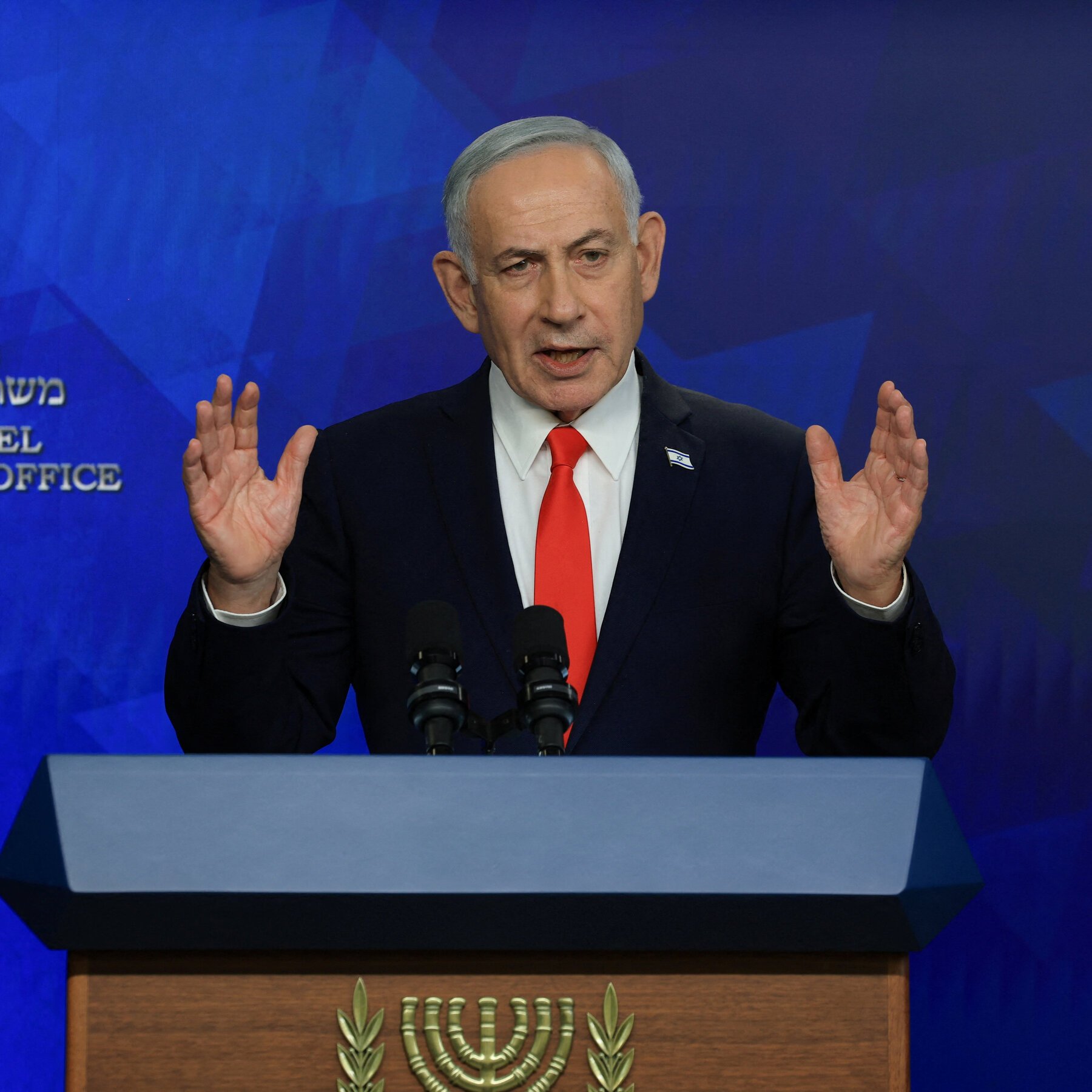
On 17 June 2026, US President Donald Trump used a G7 gathering to attach a new condition to the next tranche of Western support for Ukraine: European allies are expected to help secure the Strait of Hormuz in return. According to Kyiv Post's reporting of the day, the American president said he was "ready to boost support for Ukraine and increase pressure on Russia" but wanted European partners to shoulder the burden in the Persian Gulf chokepoint through which roughly a fifth of global oil passes. The G7 did not reject the proposal outright, the same reporting noted, but neither did it endorse it on the spot.
The trade is more candid than the usual communique language. For two years Western capitals have spoken of supporting Ukraine and containing Russia as a single strategic project; Trump is now unbundling them and pricing each piece separately. Air defence for Kyiv stays at the centre of the package, but the political cover — the part of the deal that lets European leaders explain the cost to their voters — has migrated south, to a stretch of water most NATO publics never think about until tanker insurance premiums spike.
What the G7 actually agreed to
The substantive decision, as carried by the Russian-aligned Telegram channel Two Majors on 17 June, was that the G7 leaders "agreed to increase pressure on Russia's oil and gas sector" and "to increase deliveries of air defence systems, additional systems and interceptor missiles". That sentence does the work the communique will eventually be parsed for: it commits the alliance's industrial base to a faster cadence of Patriot and SAMP/T-style deliveries without naming the systems in writing, and it signals a new round of energy-sector measures aimed at Moscow's export revenues. The text is short; the supply chains it implies are not. Interceptor-missile production runs on a clock measured in years, and European defence ministries are already negotiating backlog allocations with American primes.
The chokepoint gambit sits on top of that core. Trump has framed the Hormuz ask in transactional terms before: a 16 June 2026 post on X reported by Unusual Whales had the president declaring that the Strait of Hormuz "will be toll free when it reopens permanently" — a phrasing that conflates a transit question with a question about who pays for securing it.
The European reading
European governments are unlikely to refuse the package. Refusing means slower deliveries to Kyiv at a moment when Russia's glide-bomb and Shahed-style campaigns are exhausting Ukrainian interceptor stocks at a rate Western industry cannot yet match. Accepting means writing blank-ish cheques to a maritime mission in a theatre where most of the operational risk falls on the US Fifth Fleet and where the diplomatic cost of a frigate collision with the Iranian Revolutionary Guard Corps is borne in European capitals, not in Washington. The compromise being negotiated in real time appears to be: European navies provide hulls and presence missions, the US provides ISR and over-the-horizon strike, and a multinational task-force framework absorbs the political exposure.
The Russian-aligned read, as relayed through Two Majors, is that the energy-pressure language signals a coming round of price caps, secondary-sanctions enforcement and shipping-insurance restrictions. That reading is not novel; what is new is that it is now bundled with an explicit Hormuz concession, which gives Moscow a fresh propaganda line that European energy security is being auctioned off in exchange for a Ukrainian front line.
What the structure looks like
Strip the theatre out and the architecture is straightforward. The dollar-priced global order that the US underwrote after 1945 was always going to require somebody to police its bottlenecks — the sea lanes, the undersea cables, the shipping chokepoints. For most of the post-Cold-War era that labour was effectively subsidised: the US Navy patrolled, allies free-rode, and the bill appeared in the Pentagon's base budget rather than on a European finance ministry's ledger. Trump is now moving the cost of that subsidised security onto the balance sheets of allies, with the Hormuz request the first line item. The Ukraine line in the same package is the political currency the administration is willing to spend to make the recalibration stick.
This is not alliance collapse; it is alliance repricing. The institutions remain, the communiques still issue, the intelligence-sharing still flows. What changes is who writes the cheque for the unglamorous components of the order — and whether allied publics are told, in advance, that they are paying for sea-lane security rather than receiving it as a public good.
Stakes and what remains unclear
If the package holds, Ukraine receives faster interceptor deliveries and a heavier sanctions regime against Russian hydrocarbons; European taxpayers fund a Persian Gulf mission they did not ask for; and the chokepoint remains under Western maritime control. If it unravels, the air-defence pipeline slows, energy sanctions dilute, and the Hormuz question reverts to a US-Iran bilateral where Europe has no seat.
Two pieces remain genuinely unresolved in the reporting so far. First, the G7 communique itself has not been published in the form Two Majors summarised, and Western wire copy on the precise wording was not available in the inputs reviewed for this article. Second, no European capital has yet publicly confirmed which hulls, in what numbers, under what rules of engagement, would make up the contribution Trump is asking for. Until those two details land, the deal on the table is a framework — durable enough to move markets, too thin to be called a commitment.
Wire provenance
This editorial synthesis draws on the following public wire/social posts:
- https://t.me/Kyivpost_official
- https://t.me/two_majors
- https://x.com/unusual_whales/status/
Follow the event.
These dated source records provide context. They do not retrospectively verify this archive article.
A dated voting record is evidence of one decision. Use the original UN record before turning it into an alignment label.
Visual explainer · historical vote of 2022-03-02 →