Southern Lebanon, Again: The Air War That No One Is Naming
Three strikes in southern Lebanon on 18 June 2026, reported only by Telegram channels and Iranian-aligned wire, point to a quiet escalation the Western press has yet to land on.
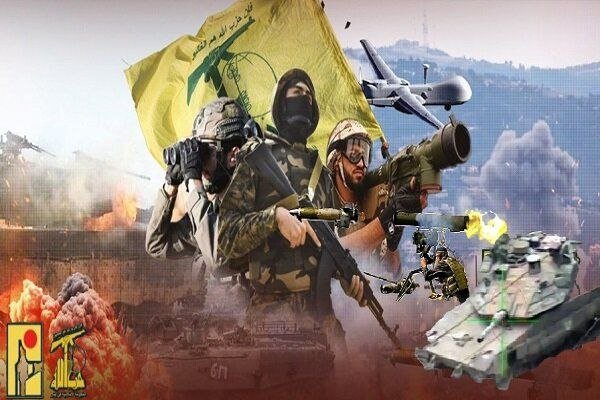
Three air strikes landed in southern Lebanon in the ninety minutes between 22:40 and 23:16 UTC on 18 June 2026. None of them has, at the time of writing, produced a Reuters bulletin, an AFP flash, a BBC breaking-news strap, or a Jerusalem Post explainer. The only witnesses on the public record are a Lebanon-focused Telegram account that styles itself World War Witness, and an English-wire channel operated by Tasnim, the news agency of the Iranian state. That is not, in itself, a conspiracy. Telegram channels break things first; wire desks confirm later. But the gap between the two is now wide enough to deserve a column.
The pattern, not the strikes themselves, is the story. Southern Lebanon has been a theatre of low-grade air activity for the better part of two years. The Israeli defence establishment calls it the northern front, treats strikes on Hezbollah infrastructure as routine, and briefs them in aggregate. The Lebanese state, in turn, files its protests at the UN, registers a few wounded, and waits for the next round. The international press has settled into a rhythm of roundups — a strike here, a retaliatory rocket there, periodic clauses in negotiations over a ceasefire that may or may not still be in force. The Telegram sources on 18 June, taken at face value, do not describe a single dramatic event. They describe routine.
The cost of routine
Routine is the word that does the work. When three air strikes land in a populated border district in ninety minutes and the only verbatim accounts are on a Telegram channel and an Iranian-aligned English feed, the question is not whether the strikes happened. World War Witness has been posting strike footage from the south for long enough that its reporting can be cross-checked against IDF spokesperson statements within hours, almost always in the same direction. The question is what it means that a routine Israeli air operation over Lebanese territory is no longer treated as newsworthy by the Western wires that the rest of the world reads.
Tasnim, the Iranian state outlet, framed one of the 18 June items in a way the wire services have learned not to use. Its Telegram channel reposted material from "Zionist Telegram channels" appealing for the safety of Israeli soldiers in southern Lebanon — a frame that takes the southern front as a two-way battleground in which Israeli personnel are themselves in danger. The IDF does not generally brief that way for the English-language press. The English-language wires do not generally carry it. The fact that the Iranian state is now the conduit for that framing is, again, not a conspiracy. It is a sign of how the information architecture of the war has re-routed itself: casualty claims, force-protection chatter, and the human angle on Israeli soldiers in Lebanon now travel through Tehran before they travel through Tel Aviv.
What the wires are not saying
Western wire desks in 2026 have, with honourable exceptions, thinned their permanent staffing on the Israel–Lebanon border. Most of what readers in London and New York see is Gaza-centric. The October 2023 war reset the bandwidth of major outlets: fixers, stringers, and bureau resources that once covered south Lebanon as a beat now follow the Gaza war, the prisoner-exchange file, and the periodic Iran-Israel standoff. The result is that strikes on southern Lebanese villages — which continue, in clusters, on a near-weekly basis — appear in the international record mainly as Lebanese casualty figures in UN humanitarian updates and as IDF after-action summaries, both of which arrive in aggregate and weeks late.
This is the structural point. When the reporting infrastructure for a sustained air campaign thins, the framing of that campaign shifts toward whichever side retains the megaphone. On 18 June, that meant the Telegram channels and the Iranian state. Tomorrow, it may mean Hezbollah-aligned outlets such as Al-Mayadeen or Al-Akhbar, whose English desks have been quietly filling the gap with strike-by-strike reporting that no major Western wire will match for volume. The reader who wants to know what hit a given village in the Bint Jbeil or Marjayoun districts on a given evening is increasingly forced to triangulate between an IDF Telegram post, a Lebanese civil defence statement on X, and an Iranian state Telegram channel. None of those are unreliable in the way the word "unreliable" is usually meant. All of them are partial.
The frame this publication will use
Monexus does not dispute Israel's right to defend its northern communities from rocket and anti-tank fire, nor does it treat Iranian state media as a neutral observer. Both points are recorded. But the editorial question on 18 June is not a question of sides. It is a question of attention. A border district absorbing three air strikes in ninety minutes, with appeals circulating on messaging apps for the safety of Israeli soldiers involved in those strikes, is not a footnote. It is the war's ongoing face, and the international press is choosing not to look at it for more than a few paragraphs at a time.
The stakes are concrete. The longer the southern-Lebanon air campaign is reported as background rather than as a continuing military operation, the harder it becomes to hold any government to account for its conduct — Israeli, Lebanese, or Iranian. A reader who only encounters southern Lebanon in ceasefire-process stories will misread both the tempo and the geography of what is actually happening on the ground. The fix is unglamorous: the wires should staff the border properly, and the rest of us should refuse to treat three strikes in ninety minutes as quiet news.
This article is a staff-writer opinion piece. Monexus frames the southern-Lebanon air campaign as a continuing military operation that warrants dedicated Western wire coverage, not as a side-theatre of the Gaza war.
Wire provenance
This editorial synthesis draws on the following public wire/social posts:
- https://t.me/wfwitness
- https://t.me/wfwitness
- https://t.me/tasnimnews_en
Follow the event.
These dated source records provide context. They do not retrospectively verify this archive article.
Separate what the nuclear watchdog reported from what it could not determine after the June 2025 strikes.