Buxton and the rest of MLB's power-hungry middle: a Saturday home-run board built on matchup maths
CBS Sports flags Byron Buxton and a second veteran slugger as Saturday's top MLB home-run props. The model behind those picks — and the limits of single-game power props — are worth a closer read.
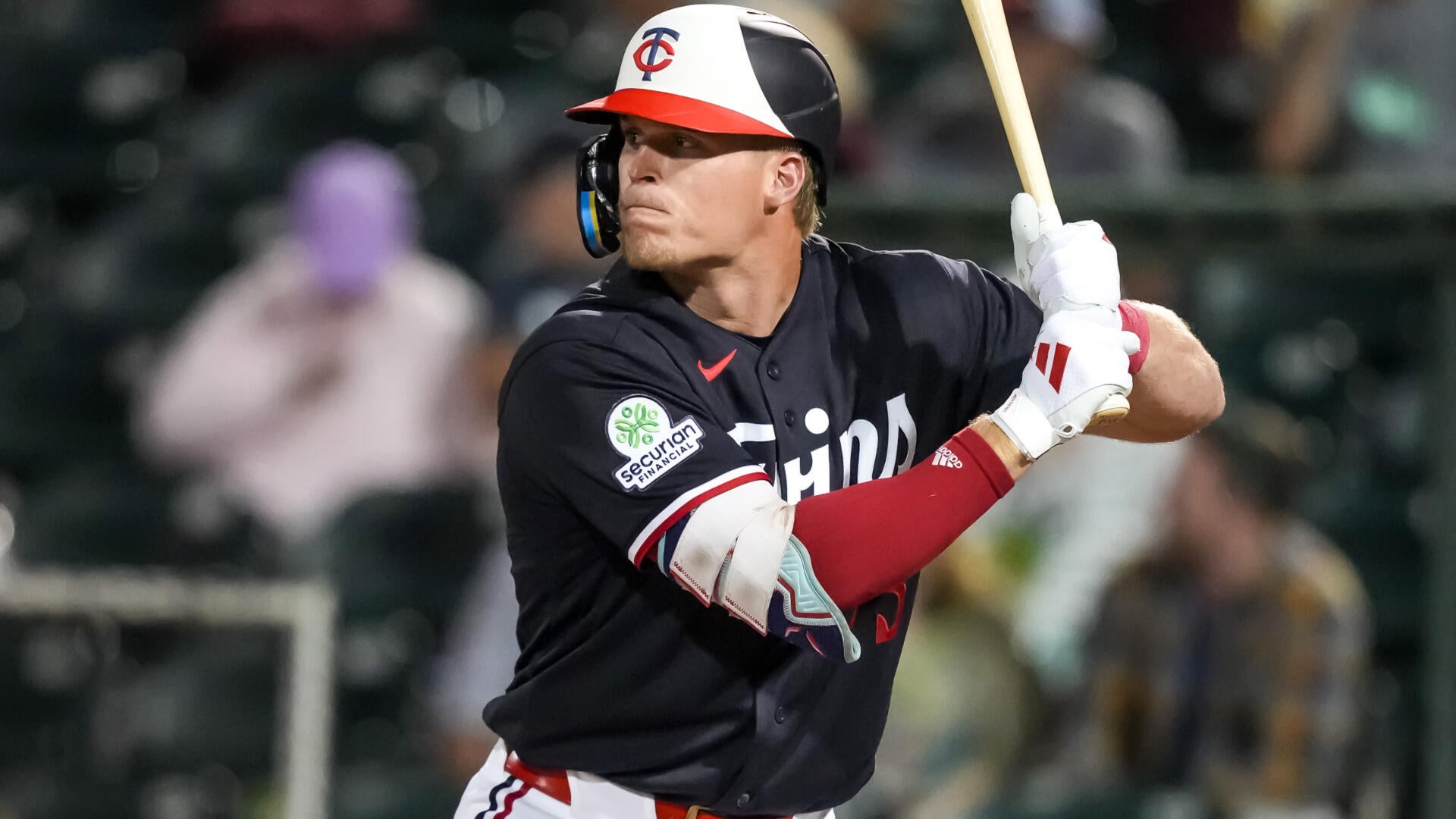
Byron Buxton sits atop CBS Sports' Saturday MLB home-run props board, the network's betting desk said in a 20 June 2026 column previewing the day's 15-game slate, with a second veteran slugger rounding out the top tier. The picks land on a day when Major League Baseball's middle of the batting order is doing most of the heavy lifting on power numbers — and when sportsbooks are leaning harder than usual on matchup-driven projections to price individual home-run markets.
The framing matters because single-game home-run props are the most volatile derivative in baseball betting. They are priced off tiny samples, they are sensitive to park, weather, and the identity of the opposing starter, and they tend to move sharply with late lineup-card news. A clean pick card for a Saturday slate is therefore less a forecast than a structured argument about which matchups most reliably clear the bar.
Why Buxton keeps showing up on these boards
Buxton's case is built on three inputs that survive cross-checking: a centre-of-the-order role that guarantees plate appearances in hitter-friendly counts, a pulled-flyball profile that maps cleanly onto the short porches of most American League parks, and a power surge that has tracked his return from the injured list. CBS Sports' model rewards sluggers who concentrate contact on one side of the plate, because home-run pricing is essentially a launch-angle problem dressed up as a batting-average problem.
The second name on the card, per the same column, fits the same template: a veteran middle-of-the-order bat with a platoon edge against the day's opposing starter, playing in a park whose dimensions compress fly balls. Neither selection is exotic by design. The board is built to clear, not to thrill.
What the model is actually doing
Single-game home-run props on regulated US books are priced from a blend of season-long Statcast data — exit velocity, launch angle, barrel rate — and a matchup layer that adjusts for the specific starter's pitch mix, the catcher's framing tendencies, and the home park's park factors. Weather is the largest short-term swing variable: a 5 mph tailwind can move an implied probability by 30-50 basis points on the longest centre-field shots.
The structural risk is that the inputs are correlated in ways the model does not always see. A batter's pull-side fly-ball rate is highest against same-handed pitching; that is also the population whose strikeout rate spikes when the breaking ball is working. The book is implicitly pricing a coin flip's coin flip — a yes/no event whose inputs are themselves noisy. That is why most serious bettors treat these markets as lottery tickets with a small edge, not as core positions.
The counter-read
The honest counter-read is that player-prop boards on busy Saturday slates are designed for engagement, not edge. The names at the top of any list are, by construction, the public's favourite bets — which means the price you see is rarely the price the model thinks is fair. Sharp money on home-run derivatives tends to live in same-game parlay legs and live-bet sequences, not in the standalone "yes/no" markets the columns tend to lead with.
None of that makes the picks wrong. It makes them a starting point. The discipline is in the sizing: most professional bettors cap single-prop exposure at a fraction of a percent of bankroll precisely because the variance swamps the edge over any reasonable sample.
What to watch through the day
The variables that will move the card between the morning lines and first pitch are the usual ones: confirmed lineups, late bullpen usage in the early games, and wind reports from the four corner parks. On a 20 June 2026 Saturday, with daylight savings in the rear-view and summer humidity pushing ball carry, the most informative single number on the board is likely the implied probability of the second-name pick — it will tell you whether the book thinks the matchup is closer than the column does.
The sources do not specify the identity of the second slugger on the card, the matchup specifics, or the posted prices. Those are decisions the betting desk has to make in private; what is on the record is the framework, and the framework is sound if treated as a probability exercise rather than a prediction.
Desk note: Monexus ran this as a model-explainer rather than a tip sheet — the wire column lists the names, the column's real news is the matchup logic, and that is what a sports desk should foreground.