Tehran's hostage arithmetic: why Iran's 'reversible pledges' threat is really about who watches Lebanon
Tasnim is signalling that Tehran will treat its Swiss-track commitments as contingent on parallel gains in Lebanon — a transactional architecture that exposes the limits of any deal negotiated in one silo.
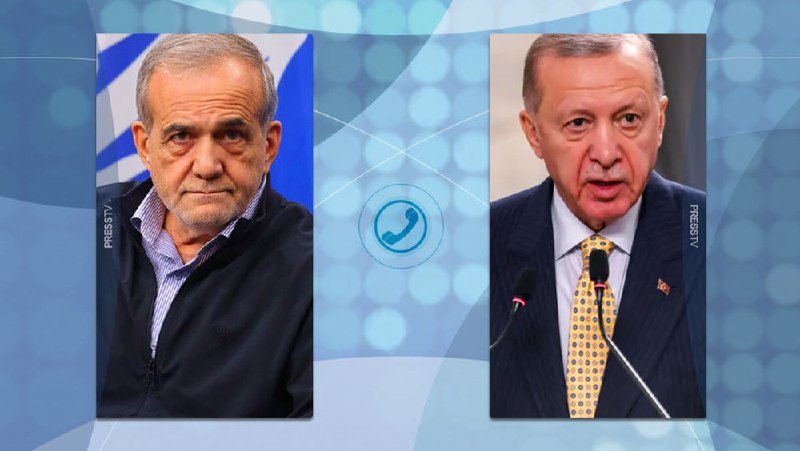
The message arrived in Tehran-coded language at 08:24 UTC on 22 June 2026, but the meaning was plain. According to Iran's Tasnim news agency, reporting from a source close to the Iranian negotiating team in Switzerland, Tehran considers its pledges reversible if Article 13 of whatever agreement is taking shape is not implemented while Article 1 — the Lebanon file — is given priority. The threat, read narrowly, is procedural: implement the clauses, or the deal unwinds. Read honestly, it is something more revealing about how the Iranian state treats any negotiated settlement. The deal is not a contract. It is a ledger of contingent obligations, each one convertible into leverage against the others, and any party that forgets that is negotiating against itself.
The pieces on the table are now visible. A conflict-resolution unit is to be formed with the participation of Iran, the United States and Lebanon to monitor the implementation of the first clause in Lebanon, Tasnim reported at 08:14 UTC the same morning. Tehran, the same agency said at 08:21 UTC, considers itself a party to the security arrangements in Lebanon — having "established arrangements related to Article 1" — and the implication is that no Lebanese security settlement is complete without Iranian sign-off. Switzerland, in other words, is hosting two negotiations in parallel, and Iran is the country most insistent that the second cannot be decoupled from the first.
What the Iranian side is actually saying
The vocabulary matters. "Reversible pledges" is not diplomatic hedging — it is a deliberate signal that every Iranian concession is held against a corresponding Western move, and that the sequencing is not negotiable. The framing in Tasnim's reporting is that Lebanon is the older commitment, the one with operational depth, and the nuclear-track items are newer, softer, and conditional. Article 1 gets priority. Article 13 follows, if at all. If the United States believes it is buying Iranian restraint on enrichment in exchange for sanctions relief, the Iranian negotiating team is publicly telling its domestic audience — and, by extension, Washington — that the price is higher than that, and that the bill is itemised.
The mechanism through which this is enforced is the proposed trilateral monitoring cell. Iranian, American and Lebanese participation is a diplomatic courtesy; the substantive question is what the cell can actually do. If its mandate is verification of an agreed text, it is a routine compliance body. If its mandate is to adjudicate whether Iranian pledges have been honoured, it is a permanent Iranian seat at the table where Lebanese sovereignty is negotiated. The Tasnim framing strongly favours the latter reading.
Why the Western framing is incomplete
The dominant Western wire line on US-Iran talks tends to reduce the exchange to a single axis: enrichment and sanctions. Under that lens, a deal is good if it caps Iran's nuclear capability, bad if it does not, and the rest is theatre. The Iranian position being transmitted from Switzerland this morning rejects that reduction. It says: the regional security architecture, including Lebanon, is part of the same negotiation, and a narrow nuclear-only deal is not the deal Iran has come to sign. Whether one finds that posture reasonable depends on how seriously one takes Iran's stated interests in Lebanon. The honest answer is that Iran's interests there are real, historically grounded, and not going to be conceded in a Swiss hotel ballroom simply because the agenda says otherwise.
There is also a counter-reading worth naming. The Tasnim framing could be a negotiating posture designed for a domestic Iranian audience rather than a genuine threat. Announcing that pledges are reversible is a way of signalling to hardliners in Tehran that the negotiating team has not given anything away — the concessions are provisional, the dignity of the Islamic Republic is intact. If that is the case, the same words in a final communiqué would mean less than they currently appear to. Diplomacy, like war, is partly theatre, and the camera angles matter.
The structural picture
What is being negotiated in Switzerland is not two separate deals. It is a single, integrated regional bargain in which the nuclear file and the Lebanon file are priced into each other. Iran is the player most explicit about that integration; the United States, by contrast, has historically preferred to negotiate in silos — Hezbollah in one channel, enrichment in another — on the theory that smaller agreements are easier to ratify and harder to unravel. The Iranian approach trades that ease for leverage. If Article 1 is the senior claim and Article 13 is junior, then every dollar of sanctions relief becomes hostage to Lebanese outcomes over which Washington has only partial control. That is the structural fact that the Western press has been slow to absorb. Coverage routinely frames the Swiss track as a nuclear negotiation with a sidebar; the Iranian side is describing a regional negotiation with a nuclear component.
The media asymmetry is itself revealing. The Iranian public is being told, through Tasnim and parallel outlets, that Tehran holds the senior card. The American public is being told, through familiar briefing-room readouts, that Washington is closing in on a meaningful cap. Both cannot be the dominant truth. Either Iran's leverage in Lebanon is being recognised in the deal text, in which case the US is conceding more than the readouts suggest, or the Iranian framing is internal reassurance, in which case the leverage is rhetorical rather than substantive. The honest reporting position is to hold both possibilities open and to watch the trilateral cell's mandate when it is eventually disclosed.
What remains uncertain and what to watch
The source material here is exclusively Iranian-state-adjacent — Tasnim is part of that ecosystem — so the claims should be read as the Iranian negotiating team's preferred framing rather than independently verified facts about what has actually been agreed. The existence of a "first clause" in the Lebanon file and a separately numbered "Article 13" is consistent with how Iranian diplomacy publicly segments complex negotiations, but the underlying texts are not in the public record. The proposed conflict-resolution unit is described in Iranian sources only; whether Lebanon's government, currently navigating its own political pressures, has consented to participate on the terms Tasnim describes is an open question. The phrase "reversible pledges" is a Tasnim paraphrase of an unnamed source close to the negotiating team; it is not, on the evidence available here, a quote from a named Iranian official speaking on the record.
What this publication will be watching over the coming days is whether any American readout, any Lebanese statement from Beirut, or any wire confirmation from Reuters, AP or AFP corroborates the Iranian framing. If it does, the diplomatic architecture being assembled in Switzerland is more ambitious and more conditional than Western commentary has yet acknowledged. If it does not, the framing remains a useful window into how Tehran wants its negotiating team to be seen at home — which is itself a fact about Iranian politics, even if it is not yet a fact about the deal.
Desk note: Monexus has foregrounded the Iranian framing here because the source material is Iranian, and because the Western wire line on these talks has consistently under-weighted the regional-integration argument Tehran is making. Where the Iranian and Western framings diverge, both are named; the conclusion is left for the reader.
Wire provenance
This editorial synthesis draws on the following public wire/social posts:
- https://t.me/alalamarabic/
- https://t.me/alalamarabic/
- https://t.me/alalamarabic/
- https://t.me/alalamarabic/
- https://t.me/alalamarabic/
Follow the event.
These dated source records provide context. They do not retrospectively verify this archive article.
Separate what the nuclear watchdog reported from what it could not determine after the June 2025 strikes.