England stutter in Boston as Modrić hits 200 caps and Ronaldo rewrites the record book
A goalless draw in Boston exposes England's depth problem, while Croatia and Colombia grind out wins and Cristiano Ronaldo becomes the first man to score at ten different World Cups.
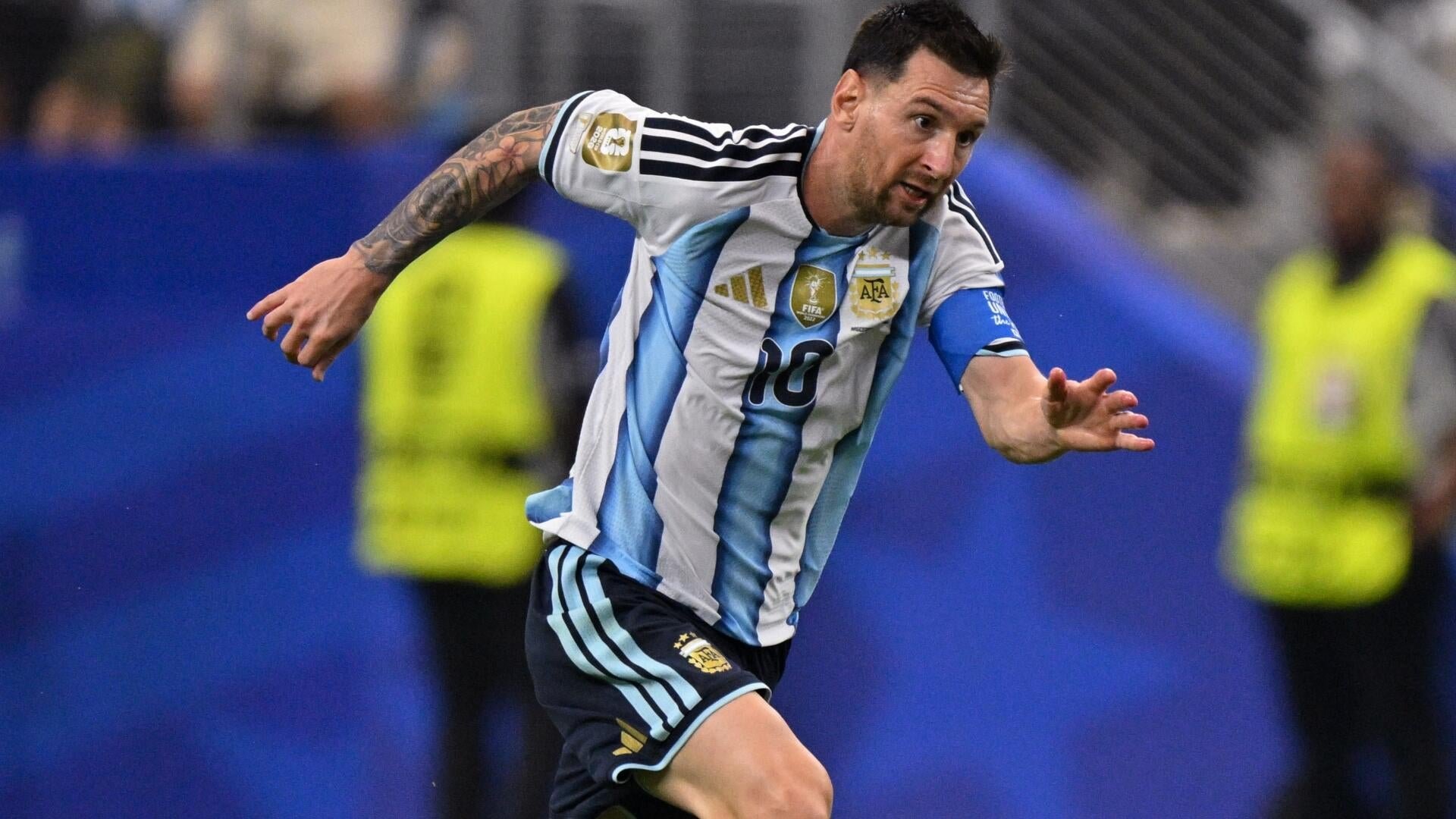
England's World Cup campaign hit a pothole in Boston on Tuesday evening, the 0-0 draw against Ghana a reminder that the squad which overwhelmed Croatia in its opener is not yet a finished product. The point leaves Thomas Tuchel's side top of the group on goal difference but ends a sequence of nine consecutive competitive wins and invites the question that always follows England at a tournament: whether the talent translates into something harder to define.
Matchday 13 of the 2026 World Cup delivered three results and two milestones. Croatia beat Panama 1-0, Colombia edged the Republic of Congo by the same scoreline, and Cristiano Ronaldo scored twice in Portugal's 5-0 demolition of Uzbekistan to become the first male player to find the net at ten separate World Cups. Luka Modrić, operating as he has for two decades, became only the fourth man to reach 200 international caps, a figure that places the Croatian captain in a conversation of his own.
The night in Boston
Tuchel made four changes to the side that beat Croatia, and the reordering told. England enjoyed close to 80% of possession, per the post-match summary from CGTN's Matchday 13 recap, but the visitors' defensive shape held. Ghana sat in a compact mid-block, accepted the territory, and trusted their goalkeeper to handle what came through. BBC Sport's report from the ground described a "resolute" Ghanaian display, the operative word being the absence of the fluency England produced in their first outing.
The tactical reading is straightforward: Ghana are a side built to deny, not to dictate, and they executed. England's wide players found touches but not the cut-back lanes that opened Croatia up. The structural problem is not new. Sides that can absorb pressure and wait for transitions have always troubled this England template, and the Boston performance suggests the squad has not yet solved for the opponent that refuses to chase the game.
Ronaldo, Modrić, and the longevity economy
The day's two milestones belong to a generation that should, by the arithmetic of professional football, have stepped aside. Ronaldo's brace against Uzbekistan took his World Cup goal tally to nine, according to the CGTN recap, and confirmed his status as the first man to score at ten editions of the tournament. Portugal's five-goal margin flattered a side still integrating younger forwards, but the headline is Ronaldo's, and the broader point is that the economics of elite football now permit — even reward — a carry of this length. Sports science, nutrition, and contract structures have stretched the athletic shelf life far past the point previous generations accepted as terminal.
Modrić's 200th cap, a number that puts him alongside a small group of centurions from the men's game, reinforces the read. Croatia's 1-0 win over Panama in the day's earlier kick-off was not a vintage Modrić performance; it was a workmanlike one, the kind that has kept Croatia competitive across four major tournaments. The pattern across both veterans is the same: peak physical output is no longer the only currency. Reading the game, controlling tempo, and absorbing pressure without error have value, and both men continue to supply it.
The rest of matchday 13
Colombia's 1-0 win over the Republic of Congo, played in the same kick-off window, kept Néstor Lorenzo's side on course for the knockout rounds. The lone goal, scored in the first half, was enough against a Congolese side that defended in numbers but offered little on the break. The result extends a sequence in which South American sides have quietly outperformed pre-tournament expectations at this World Cup, a trend worth tracking as the group stage closes.
Croatia versus Panama, in contrast, was a grinding affair. The 1-0 scoreline does not flatter Panama, who absorbed long spells of Croatian pressure and created the better of the game's few clear chances. Zlatko Kranjčar's side won the game on a set-piece, the kind of goal that tends to age well at tournaments, and the result leaves Group E wide open heading into the final matchday.
What the night means going forward
England's draw, read in isolation, is a minor stumble. Read against the wider pattern of the tournament, it is a warning. The sides that progress deep into World Cups are the ones that win when they are not at their best, and the Boston performance was, by the standards of the Croatia opener, a regression to the median. Tuchel has the squad depth to adjust, and the next match against Panama offers a chance to reset. The question is whether the structural problem — the difficulty in breaking down a side that defends deep and waits for transitions — has a structural answer, or whether England will continue to be a team that wins by a margin when everything clicks and labours when it does not.
The bigger story of matchday 13 is generational. Ronaldo and Modrić are not making cameos. They are starting, scoring, and captaining sides that expect to win. The longevity economy in elite football, enabled by the unglamorous infrastructure of sports medicine and the financial logic of star-driven broadcast revenue, has extended the productive careers of the very best well past the ceiling previous generations accepted. The 2026 World Cup is, in part, a referendum on whether that model is sustainable, and the early returns are that it is.
This piece is grounded in match reports and the official matchday recap, with the structural read on longevity and the English squad's ceiling drawn from this publication's independent analysis.
Wire provenance
This editorial synthesis draws on the following public wire/social posts:
- https://t.me/transfermarkt