Hormuz on edge: Tehran tests Washington with tanker strikes, talks teeter
Two reported strikes on tankers in the Strait of Hormuz, a UAE-Iran phone call, and a suddenly shaky US track have put the world's most important oil chokepoint back at the centre of global risk pricing.
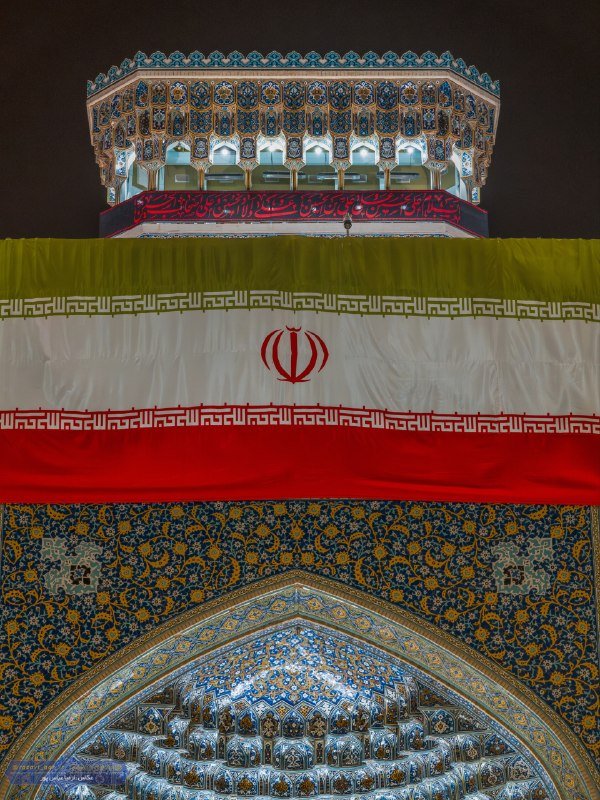
Two commercial vessels came under fire in the Strait of Hormuz within hours of each other on 27 June 2026. The first report, at 12:55 UTC, described a vessel struck by an unidentified projectile in the strait. Roughly an hour and a half later, at 14:03 UTC, the BRICS News channel on Telegram reported that Iran had struck another oil tanker in the same waterway. By 14:18 UTC the same outlet was carrying word that Tehran was weighing whether to cancel negotiations with the United States that had been set for Switzerland. The sequence — strike, strike, talks in doubt — did not look like coincidence. It looked like leverage.
The diplomatic track, until today, was the more surprising of the two. The United States and Iran had been edging toward face-to-face engagement at a moment when Gulf shipping was already on edge and oil traders were watching the strait's daily transit count like a heart-rate monitor. Tehran's apparent readiness to walk away from Switzerland is the kind of move that, in the regional price-discovery of the last decade, has typically preceded a sharper escalation rather than followed one. Either Tehran wants to set a higher price for the meeting than Washington is willing to pay, or the strikes on the two tankers have hardened a domestic political constituency that no longer wants the meeting at all.
What the day actually contained
The early evidence is thin, and that is itself part of the story. The 12:55 UTC report described only that a vessel had been struck by an "unidentified projectile" — language that does not name a perpetrator. The 14:03 UTC item attributed the second strike to Iran explicitly. Both came through BRICS News, a Telegram channel that aggregates regional wires and is sympathetic to BRICS- and Global-South framing. No casualty figures, tonnages, flag states, or owner names have been published in the items available. Until a Western wire — Reuters, AP, Bloomberg, or the Lloyd's List intelligence service that shipowners actually trust — confirms attribution, vessel name, and damage, the responsible reading is that two projectiles hit two vessels in the world's most consequential energy chokepoint on a single Saturday, and that the public source documenting it is, for now, one Telegram channel.
A separate track was also moving. At 13:26 UTC, BRICS News reported that Iran had announced the resumption of Tehran–Dubai commercial flights from 1 July 2026 — a small, granular signal of a partial regional normalisation. Then, at 01:42 UTC the same day, an X account tied to Polymarket relayed that the United Arab Emirates had held a rare call with Iran specifically to stress the need to protect freedom of navigation through the strait. The UAE is the Gulf state with the most to lose from a sustained closure — Dubai's role as the regional hub for trade, finance, and tourism makes the strait a structural lifeline, not just an energy artery. That Abu Dhabi picked up the phone is the diplomatic tell of the day.
Why the strait, why now
Roughly a fifth of the world's seaborne oil moves through the Strait of Hormuz. The chokepoint is narrow enough — barely 21 nautical miles wide at its tightest — that even a few small craft, a few projectiles, or a few limpet mines can move the global benchmark by single-digit percentages within a session. The market does not need a war to reprice Hormuz risk. It needs ambiguity. Two unexplained strikes, delivered on the same day that a US-Iran meeting is wobbling, is exactly that kind of ambiguity.
The structural backdrop matters. The United States and Iran have spent the last several years in a slow, grinding contest in which the visible battlefield has migrated from Syrian and Iraqi territory into the offshore waters of the Gulf, into proxy alignments in the Levant, and into the price of crude. Tehran's strategic logic, as reported by analysts who track the IRGC Navy and the Revolutionary Guards' Quds Force posture, has been to raise the cost of any Western pressure campaign without triggering the kind of retaliation that would invite a full-spectrum response. Strikes on commercial vessels, particularly when attribution is contested, are a textbook instrument of that doctrine. The Swiss track, if it had been allowed to mature, would have been the one thing that most threatened to defang the doctrine. The 14:18 UTC report — that Iran is considering cancelling — fits the pattern.
The counter-read, and why it still doesn't add up
The charitable Western reading is that Iran is not the actor here, and that the BRICS News framing is doing what sympathetic outlets often do: attributing a murky incident to a pre-selected culprit in order to set a regional narrative. That is a real risk, and it should be named. Telegram channels in this information ecosystem have a documented habit of front-running attribution ahead of maritime intelligence services. Until Lloyd's List, the UK Maritime Trade Operations centre, or the US Fifth Fleet publicly confirms who struck what, the chain of evidence is short.
But the charitable reading has its own problem. Tehran has form here, and the form is recent. The seizure of commercial vessels, the harassment of tankers, and the use of proxy maritime units to project power into the Gulf are not abstractions. They are an operational pattern with named incidents behind it. The prudent default, given that pattern, is to treat the 14:03 UTC attribution as plausible-but-unverified, and to treat the 14:18 UTC report of a possible walkout from Switzerland as a signal that the Iranian side sees advantage in threatening the meeting more than in holding it.
What is at stake
If the two strikes are confirmed and the Swiss track collapses, the immediate effect is on the price of crude and on the insurance war-risk premia that shipowners pay to transit the strait. Those premia feed, within weeks, into retail fuel prices in Asia and Europe. The secondary effect is on the UAE's effort to position itself as a neutral, navigable, business-friendly hub between Tehran and Washington. The 01:42 UTC readout — Abu Dhabi pressing Tehran on freedom of navigation — is the public face of a much larger UAE lobbying effort to keep the strait open. If that lobbying fails, Dubai and Abu Dhabi's diplomatic and commercial model becomes harder to defend in the same terms to foreign investors.
The deeper stake is the diplomatic architecture itself. A US-Iran meeting in Switzerland would have been the first direct engagement of its kind in years, and it would have done what the regional order has so far conspicuously failed to do: shift the conversation from coercion to negotiation. The 14:18 UTC item suggests that window is closing. If it closes, the default trajectory is a longer, more expensive contest in which energy markets reprice, Gulf states hedge harder, and the diplomatic cost of reopening the channel rises with every week it stays shut.
What remains contested
The sources do not specify which vessels were hit, their flag states, their cargoes, or whether there were casualties. They do not name the projectile type, the unit responsible, or the specific Iranian faction — regular navy, IRGC Navy, or a proxy — that may have carried out the strikes. They do not confirm the date, venue, or agenda of the Swiss meeting that Iran is now reportedly considering pulling out of. None of these gaps is unusual for a fast-moving maritime incident, and none of them should be filled with speculation dressed as reporting. The next 48 hours of wire confirmation, satellite imagery analysis, and Lloyd's List attribution will be the load-bearing facts of this story. Until then, the day's signal is plain: the strait is once again the place where the world's two most mismatched powers are choosing to talk, and choosing not to.
Desk note: Monexus leads on the Telegram-sourced strike reports because they are the only public record of the incidents available at the time of publication, while flagging the attribution chain as single-source. Where Western wires have not yet confirmed, the piece says so.
Wire provenance
This editorial synthesis draws on the following public wire/social posts:
- https://t.me/bricsnews
- https://t.me/bricsnews
- https://t.me/bricsnews
- https://t.me/bricsnews