Strikes on Sirik: Reading the Ceasefire That Wasn't
Two explosions on a ridgeline above Sirik on 27 June, claimed by Israel and never confirmed by Tehran, landed inside a ceasefire that was less than a day old. The dispute over what the MoU actually binds is now the operating story.
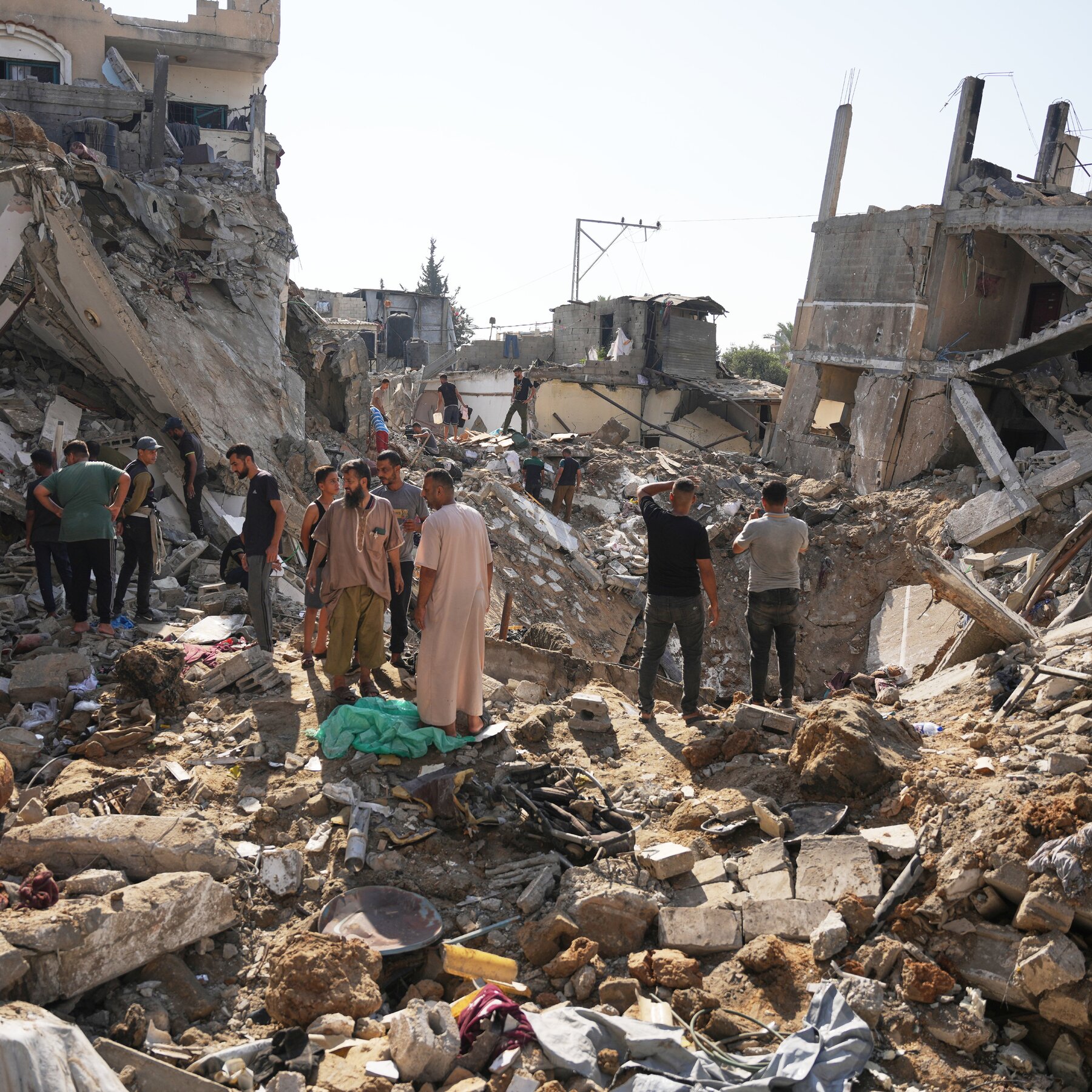
Two explosions lit up the hillside above the Iranian port town of Sirik on the morning of 27 June, captured in low-resolution footage circulated by regional Telegram channels within hours. The strikes, claimed by Israel and never publicly confirmed by Tehran, landed roughly 120 kilometres from the Strait of Hormuz, the narrow waterway through which close to a fifth of the world's oil passes each day. By the time dust settled over the coastal road, Iran's state media had already begun describing the attack as a violation of a ceasefire that, on paper, was less than a day old.
The reading depends on which document the observer treats as the binding one. Israeli framing positions the strikes as defensive action against an active weapons transit node; Iranian framing treats them as a deliberate test of a fragile arrangement struck under American pressure. The pattern, not the individual sortie, is the unit of analysis worth watching.
What the footage shows
The clips that surfaced on Telegram channels including FotrosResistance and wfwitness on 27 June depict two near-simultaneous detonations on a ridgeline east of the town centre, with secondary fires visible in a structure identified by Iranian-aligned accounts as a Revolutionary Guard logistics compound. Reuters reporters who toured Tehran's Golestan Palace on 29 June, ahead of the formal ceasefire window closing, stepped over glittering shards of glass from earlier strikes, a reminder that the Sirik action was not the first round of this exchange. Reporting from the Golestan visit places strike damage inside the capital itself, indicating that Iran's coastal belt and its heritage sites have both been inside the targeting envelope.
Sirik sits in Hormozgan province, a stretch of coast that Iranian naval planners have spent two decades fortifying as a dispersed missile and fast-attack craft network. A strike there is, by design, not just about a single warehouse. It is a probe of the layered deterrence architecture Iran has constructed specifically to make the Strait unwinnable for an adversary in the opening hours of any conflict.
The ceasefire that wasn't quite
The arrangement in force at the time of the Sirik strikes was announced by Washington earlier in the week and presented by the Trump administration as a binding halt to direct US-Israeli action against Iranian territory in exchange for Tehran's silence on its proxy network. Israeli officials have publicly disputed that reading, arguing that operations against Iranian weapons convoys inside Iranian territory fall outside the MoU's envelope. The disagreement is not new. It is the same fault line that produced the 13 June round of strikes, the same fault line that put shattered glass on the floor of the Golestan Palace.
When the two sides describe the same document in incompatible terms, the question is not who is right but what the document is for. Read narrowly, the ceasefire is a de-escalation tool with named exceptions. Read broadly, it is a public-relations architecture whose value evaporates the first time either party acts outside the other's preferred interpretation. The 27 June strikes suggest the narrow reading won the day in the Israeli defence ministry's situation room.
Why Sirik, why now
The location is not incidental. Hormozgan province hosts mobile missile launchers, missile-corvette berths, and the tunnel-and-bunker complexes that house the bulk of Iran's solid-fuel medium-range inventory. Footage from wfwitness on 27 June also showed Israeli strikes on underground targets in Deir al-Balah, indicating that the day's tempo of action was not limited to the Iranian coast. The simultaneity matters: it signals an Israeli operational preference for hitting multiple nodes on multiple fronts within a single air-tasking window, complicating any Iranian retaliation calculus that relies on sequential response.
The timing is harder to read. The ceasefire announcement was designed, in part, to give cover to American negotiations over a broader nuclear framework. A strike 36 hours into the arrangement tests whether Washington will publicly discipline its ally, and whether Tehran will interpret restraint as permission to harden its coastal positions under the cover of diplomacy. The early evidence points in both directions at once.
The pattern, not the picture
Treating the Sirik strikes as a single incident understates what is in front of us. The exchange now consists of at least four discrete rounds since the spring: the 13 June strikes on Tehran-adjacent sites, the Golestan Palace damage documented on 29 June, the Sirik action on 27 June, and the parallel Gaza targeting on the same day. Each round has been described by Israeli spokespeople as discrete, defensive, and consistent with the MoU. Each round has been described by Iranian state media as proof of bad faith. The gap between those two descriptions is itself the story.
What is being tested in the coastal hills south of Bandar Abbas is not a treaty. It is the rate at which an arrangement can absorb violations before one of the parties concludes that the arrangement no longer serves its purpose. The next data point is whether Washington's diplomatic calendar continues to advertise the MoU as binding after 27 June, or quietly rewrites the public description to match what Israeli pilots are already doing.
The file to watch is the IAEA quarterly verification report, due in the second week of July. If Tehran uses the Sirik strikes as justification to deny inspectors access to the Hormozgan sites, the ceasefire architecture will have answered its own question.
Sources
- Reuters on X (29 June 2026, 22:20 UTC): access to Golestan Palace, strike damage inside Tehran.
- @wfwitness on Telegram (29 June 2026, 21:02 UTC): footage of IDF strike in Deir al-Balah and underground targets.
- @FotrosResistance on Telegram (27 June 2026): clips of Sirik detonations and Iranian-aligned identifications.
- @rnintel on Telegram (27 June 2026): corridor reporting on Hormozgan activity.
- @FotrosResistance on Telegram (27 June 2026): secondary confirmation footage of Sirik strike pattern.
Desk note: Monexus treated the 27 June action and the earlier Tehran strikes as a single analytical event, rather than as discrete sorties. Wire coverage tends to break the corridor into per-incident reporting; the pattern is the story.