Araghchi lands in Baghdad as Iran-Iraq diplomacy enters a quieter phase
Iran's foreign minister arrives in Baghdad on 28 June 2026 in a low-key visit that points to the working infrastructure of Tehran's regional relationships rather than any single breakthrough.
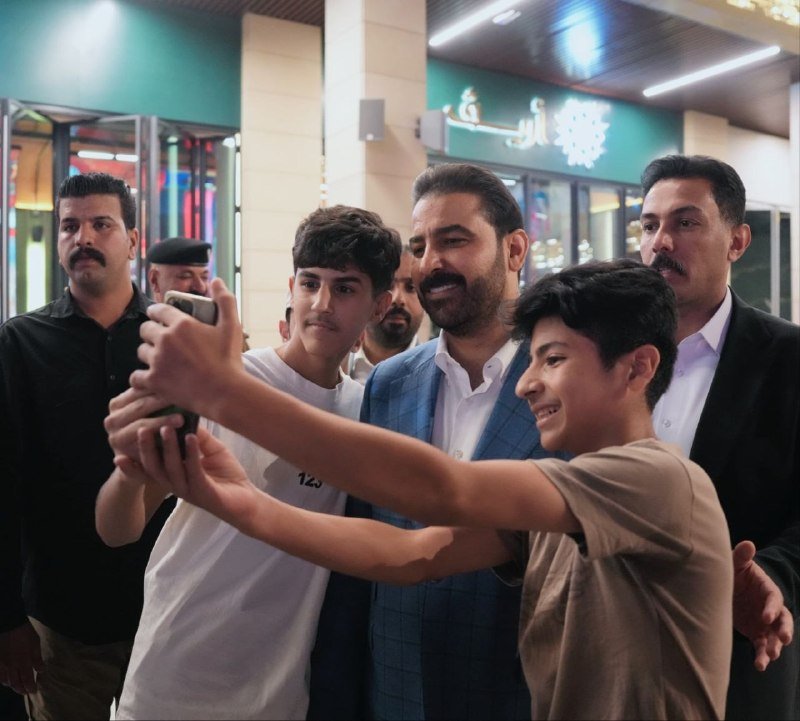
Iranian Foreign Minister Abbas Araghchi left Tehran for Baghdad on the morning of 28 June 2026, according to Iranian state-linked outlets Tasnim and Al-Alam, in what both described as an official visit to Iraq. The framing matters less than the timing: Iran and Iraq have spent the past year trying to keep a working relationship intact while the wider Middle East has been reorganised by war, sanctions enforcement and a contested transition in Syria.
That a foreign minister travels to Baghdad is unremarkable in itself; that this one travels now, with no summit attached and no crisis visibly driving him, is the more telling detail. The visit lands in the gap between Tehran's effort to keep its western frontier stable and the slow diplomatic reshuffling underway across the Gulf.
What the trip actually signals
The reporting from Tasnim News and its Arabic-language sister channel Al-Alam is, characteristically, sparse on substance. Both confirm the departure, the time of day (Sunday morning, Iran time) and the destination. Neither names an Iraqi counterpart, an agenda, or a duration. That opacity is itself part of the message: the Iran-Iraq relationship is run as a standing channel, not as a series of summits.
For Tehran, three things are always on the table when an Iranian foreign minister lands in Baghdad. First, the energy file: Iran exports electricity and piped gas to Iraq, and the two sides regularly renegotiate pricing and arrears. Second, the security file, including the question of armed groups on Iraqi soil and the persistence of Iranian-aligned paramilitary factions inside the Iraqi state framework. Third, the political file, centred on keeping Iraqi Shia political space aligned with Tehran's preferences without triggering another round of Baghdad-Washington friction over Iraqi sovereignty.
The trip is also a reminder that Iran-Iraq relations operate on a parallel track to the better-publicised Gulf negotiations. Where Iran-Saudi talks were mediated and televised, Iran-Iraq ties are negotiated bilaterally, repeatedly, and with little ceremony.
Why the wire is quiet on this one
Western agencies have not, on the morning of 28 June, treated the visit as a breaking story. There is no corresponding Reuters or AFP bulletin in the thread materials, and the only public-facing confirmation comes from Iranian state-affiliated channels. That editorial silence is the rule rather than the exception for routine Iran-Iraq diplomatic traffic, but it leaves a real information gap: the Iraqi government's readout, the agenda, the delegations, and any joint statement will only become visible once Baghdad chooses to publish them.
This publication notes that the Iranian reporting is useful for confirming the trip itself and the ministerial identity, but should not be treated as the authoritative account of what was discussed. Readouts will need to come from the Iraqi prime minister's office, the Iraqi foreign ministry, or independent Iraqi outlets.
The structural frame
Baghdad has spent the past two decades operating as a hinge between Tehran and the Arab world, and between Iran and the United States. The city has rarely been able to choose one role exclusively; its recent governments have tried to hold both alignments simultaneously, with varying degrees of success. Araghchi's visit is a continuation of that pattern, in which Iraq's diplomatic bandwidth is spent managing its largest neighbour rather than projecting its own regional priorities.
This is also part of the wider recalibration underway across the Middle East. Syria's post-Assad transition has shifted Iran's land corridor to the Mediterranean; the Gaza war and its ceasefires have reshaped the regional conversation about armed resistance and political cover; Gulf states have been quietly normalising with both Tehran and Ankara. In that environment, the Iran-Iraq relationship is one of the few pieces of regional architecture that has not visibly cracked. It is, by default, a load-bearing one.
Stakes and what to watch
The most plausible reason for a discreet visit at this moment is preparatory. Iraq's next government formation cycle is approaching, and Tehran will want to be on the ground before Iraqi coalition arithmetic is finalised. Iran's interest is straightforward: keep a friendly, or at least neutral, government in Baghdad; protect the trade and energy relationship; and avoid any Iraqi alignment with US sanctions enforcement that goes beyond the formal compliance Iraq already maintains.
What this publication will be watching over the coming week is whether Baghdad publishes any joint statement, whether Iraq's Kurdish leaders are read in on the agenda, and whether any US Treasury or State Department official is publicly dispatched to Iraq in the same window. The corridor politics of the eastern Mediterranean and the Gulf now run through Baghdad more than at any point in the past decade, and Araghchi's quiet Sunday morning flight is the kind of event that only becomes legible in retrospect.
Desk note: Monexus has relied on Iranian state-affiliated reporting for confirmation of the visit itself, and has flagged the absence of independent wire confirmation or Iraqi government readouts in the lead-up. Where this piece would normally carry Reuters or AFP context, none has been published at the time of writing; coverage will be updated once Baghdad-side sourcing becomes available.
Wire provenance
This editorial synthesis draws on the following public wire/social posts:
- https://t.me/tasnimplus
- https://t.me/tasnimnews_en
- https://t.me/alalamfa
- https://en.wikipedia.org/wiki/Abbas_Araghchi
- https://en.wikipedia.org/wiki/Iran%E2%80%93Iraq_relations